Atlantic Council Warns: Any Peace Deal That Strengthens Russia Is a Direct Security Threat to Turkey
 atlantic council
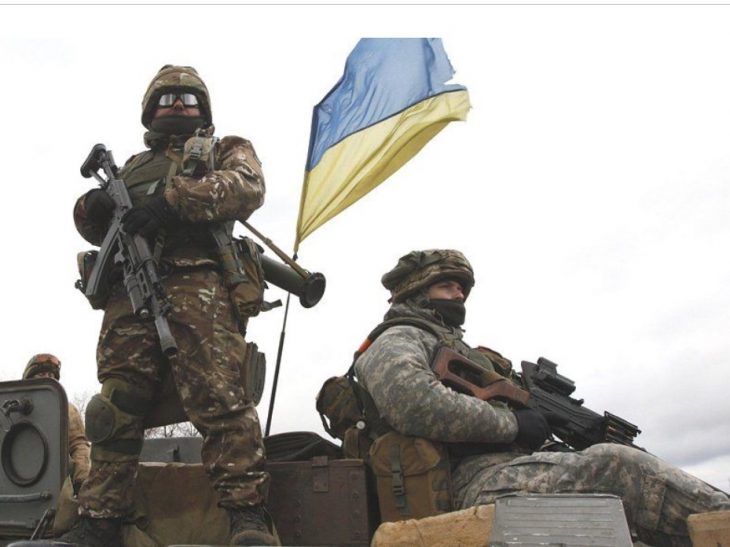
As U.S. negotiations with Russia and Ukraine gain momentum, a new Atlantic Council analysis cautions that any premature or Russia-leaning peace agreement could undermine Turkey’s long-term security, weaken its regional influence, and alter the balance of power in the Black Sea for decades.
Ankara expresses cautious optimism as talks intensify
With Washington deepening its discussions with Moscow and Kyiv, Turkey has adopted a cautiously hopeful tone regarding potential peace efforts.
Turkish Foreign Minister Hakan Fidan told Die Welt that an eventual settlement could secure 50 to 70 years of stability, provided both sides commit to “never attacking each other under any circumstances.”
But according to the Atlantic Council, any agreement that fails to provide Ukraine with credible security guarantees—or worse, solidifies Russia’s territorial gains—would pose direct and lasting risks to Turkey.
Such a deal, the report argues, would reshape the strategic landscape in the Black Sea and “constrain Turkey’s geopolitical footprint for generations.”
Why a Russia-favorable settlement hurts Turkey
A peace proposal that legitimizes Russia’s occupation or cements further territorial advances would have sweeping consequences.
A weakened or territorially compromised Ukraine would:
-
Shift the Black Sea balance of power decisively toward Russia.
-
Undermine Turkey’s strategic depth from Crimea to the South Caucasus.
-
Enable Moscow to pursue its broader ambitions across the former Soviet space.
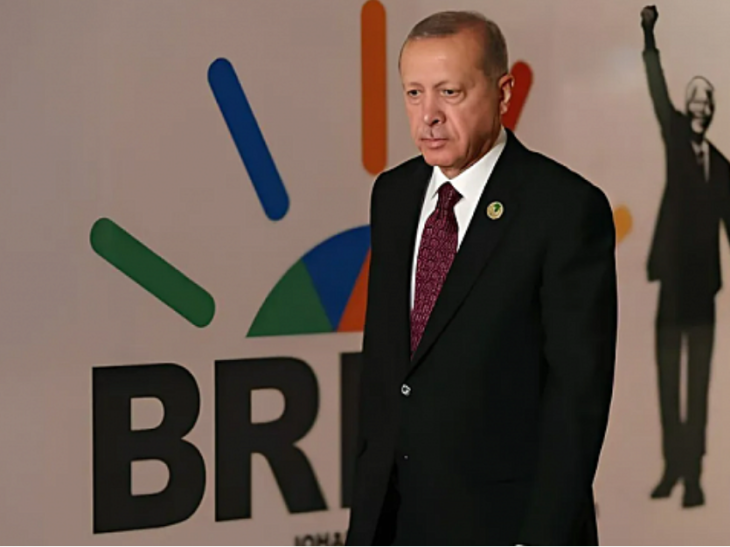
President Recep Tayyip Erdoğan has similarly stressed that any peace must meet the “legitimate security needs of both sides” without generating new instability.
The Atlantic Council notes that Moscow has not abandoned its imperial objectives, and therefore any agreement that institutionalizes Russian gains risks becoming the blueprint for future aggression.
Crimea remains a core strategic and cultural issue
The analysis highlights Crimea as a critical red line for Ankara.
For Turkey, Crimea is:
-
a forward defense anchor in the Black Sea, and
-
home to a Tatar population with deep cultural ties to Turkey.
Any deal that legitimizes Russia’s annexation would represent not only a diplomatic defeat for Ukraine, but a strategic setback for Turkey, enabling Moscow to rebuild naval power and expand its reach across the Black Sea basin, the Caucasus, the Middle East, and North Africa.
What Turkey can do: Diplomatic leverage, regional leadership
While current talks are driven by U.S., Russian, and Ukrainian negotiators, several European nations are lobbying Washington to shape outcomes aligned with their interests.
The Atlantic Council argues Turkey should do the same.
Turkey has real leverage:
-
Diplomatic channels with both sides
-
Economic influence
-
Military capabilities
-
Dominant naval presence in the Black Sea
Ankara can use these assets to influence negotiations and prevent outcomes detrimental to its security.
Humanitarian issues: Prisoners, abducted children, Crimean Tatars
For Ukraine, the return of abducted children, prisoners of war, and political detainees—including Crimean Tatars—is non-negotiable.
During President Volodymyr Zelenskyy’s recent visit to Ankara, these topics were central to his meeting with Erdoğan.
The report says Turkey can strengthen its role as a credible mediator by pushing these humanitarian issues in bilateral and multilateral platforms.
Russia’s expanding maritime aggression threatens Turkey directly
The analysis warns that Russia is increasingly weaponizing the Black Sea.
Recent incidents include:
-
A Turkish LNG tanker struck by Russian drones in the Ukrainian port of Izmail.
-
Multiple attacks on Turkish or Turkish-flagged ships in Odesa and Kherson.
-
At least 14 vessels hit in Ukrainian Black Sea ports this year.
-
Over 40% of ships entering Greater Odesa belonging to Turkish companies.
Meanwhile, Russia’s growing shadow fleet—unregistered tankers evading sanctions—poses new risks to maritime stability.
The report urges Turkey to intensify efforts to block illicit maritime traffic and prevent the Black Sea from becoming a safe haven for sanctions evasion.
Strengthening the Black Sea coalition
As NATO’s largest naval power in the region, Turkey is indispensable to Black Sea deterrence.
The Atlantic Council suggests:
-
Expanding the Bulgaria–Turkey–Romania demining initiative into a broader mission including patrols and infrastructure protection.
-
Deepening air-defense coordination with Romania to form a “Black Sea Sky Shield” against drones and cruise missiles.
-
Maintaining restrictions on Russian warship transit under the Montreux Convention.
These steps, the analysis says, would serve as practical security guarantees in any future peace plan.
Why Turkey must oppose limits on Ukraine’s capabilities
The Atlantic Council lists several potential peace terms that Turkey should reject:
1. Caps on Ukraine’s armed forces
A militarily constrained Ukraine would weaken regional deterrence and invite renewed Russian aggression.
2. Restrictions on Ukraine’s defense-industry partnerships
Turkey and Ukraine have deep cooperation in drones, engines, and naval technologies—critical to Ankara’s strategic ambitions.
3. Imposing “neutrality” on Ukraine
Turkey has long supported Ukraine’s NATO integration, viewing it as essential to defending NATO’s southeastern flank.
Fundamentally, the idea of great powers dictating smaller nations’ strategic alignment contradicts Ankara’s own worldview.
Conclusion: Turkey must not wait for others to shape its neighborhood
The Atlantic Council emphasizes that the interests of Turkey, Ukraine, and NATO are aligned:
-
Deterring Russia
-
Protecting maritime infrastructure
-
Defending sovereignty
-
Preventing territorial aggression from being normalized
At a moment when the region is being reshaped, Turkey must assert regional leadership and help forge a durable peace in Ukraine and the Black Sea.
Yevgeniya Gaber, Nonresident Senior Fellow, Atlantic Council Turkey Program
IMPORTANT DISCLOSURE: PA Turkey intends to inform Turkey watchers with diverse views and opinions. Articles on our website may not necessarily represent the view of our editorial board or constitute endorsement.
Follow our English-language YouTube videos @ REAL TURKEY, Twitter @AtillaEng, and Facebook: Real Turkey Channel.