U.S. Warns Israel Over Syria Strikes Amid Fears of Derailing Emerging Security Pact
 syria israel
Senior U.S. officials say the Trump administration is increasingly alarmed that Israel’s recent military operations inside Syria risk destabilizing the country and undermining Washington’s push for an Israel-Syria security agreement. President Donald Trump has privately and publicly pressed Prime Minister Benjamin Netanyahu to halt cross-border strikes and maintain momentum toward a diplomatic breakthrough with Damascus.
Washington fears Netanyahu’s actions could “self-destruct” diplomatic gains
Two senior U.S. officials told Axios that the White House has grown frustrated with Israel’s escalating military activity in Syria, warning that the strikes could jeopardize President Ahmed al-Sharaa’s efforts to stabilize the country and engage in a U.S.-backed peace process with Israel.
“We are trying to tell Bibi he has to stop this because if it continues he will self-destruct,” one official said, referring to Netanyahu.
Trump and his advisers have repeatedly taken Syria’s side in disputes with Israel—an unusual posture in U.S. Middle East policy. In a Truth Social post on Monday, Trump called it “very important that Israel maintain a strong and true dialogue with Syria, and that nothing takes place that will interfere with Syria’s evolution into a prosperous state.”
Officials say Netanyahu has ignored that message and ordered multiple military operations across the Syrian border in recent days.
Israeli raid sparks deadly escalation
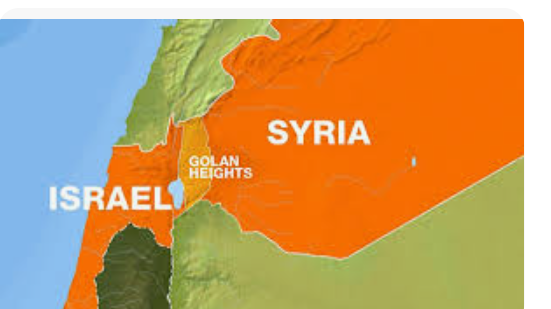
The latest flashpoint occurred on Friday, when Israeli forces conducted a raid nearly 10 miles inside Syrian territory. According to the Israeli Defense Forces (IDF), soldiers came under fire from unidentified gunmen after detaining suspected militants. Six Israeli soldiers were injured.
As Israeli troops attempted to withdraw, the IDF launched airstrikes that killed 13 Syrians—many of them civilians—triggering outrage inside Syria and calls for retaliation.
“The Syrians were going nuts. Their own constituents demanded retaliation because Syrian civilians were killed,” a U.S. official said.
The White House was not notified of the raid in advance, the officials added, and Israel did not issue a warning to Syria through military channels as it has done in previous operations.
Israel maintains the militants detained in the raid were linked to Hamas and Hezbollah and were planning attacks on Israeli targets. Israeli officials say Syria was notified through intelligence channels.
Mounting U.S.–Israel friction over Netanyahu’s Syria policy
U.S. officials involved in regional policy have accused Netanyahu of adopting a “shoot first, ask questions later” approach.
“Syria doesn’t want problems with Israel. This isn’t Lebanon,” a senior U.S. official said. “But Bibi is seeing ghosts everywhere.”
The official added that Netanyahu risks missing a “huge diplomatic opportunity” and turning Syria’s new government into an adversary if the raids continue.
This tension is not new. After Israel’s strikes on Damascus in June, a White House official complained: “Bibi acted like a madman. He bombs everything all the time. This could undermine what Trump is trying to do.”
Israeli concerns over Trump’s embrace of Syria’s new leader
Israel has been uneasy with Trump’s outreach to al-Sharaa—a former al-Qaeda commander turned transitional president. Israeli officials were stunned when Trump met al-Sharaa last May in Saudi Arabia and later welcomed him to the Oval Office.
The Trump administration’s decision to lift U.S. sanctions on Syria further deepened Israel’s concerns.
Although Israel has participated in U.S. discussions on a potential Israel-Syria security pact, it has approached the process cautiously and laid out maximalist demands.
Two U.S. officials say Netanyahu’s recent actions have already undermined progress, complicating Washington’s goal of eventually integrating Syria into the Abraham Accords.
Since Friday’s raid, U.S. envoy to Syria Tom Barrack and other senior officials have held tense discussions with Israeli counterparts. Barrack also traveled to Damascus on Monday to calm Syrian officials and prevent further escalation.
Washington is also unsure who currently handles the Syria portfolio inside Israel’s government following the resignation of Netanyahu confidant Ron Dermer.
Trump presses Netanyahu on Gaza and Syria in tense phone call
Separately, Israel’s Channel 12 reported—citing two senior U.S. officials—that Trump pressed Netanyahu during a phone call on Monday to halt strikes in Syria and support progress toward a Gaza ceasefire.
According to the report, Netanyahu had requested additional U.S. help in resolving his corruption cases. Trump responded that he was already doing what he could and urged Netanyahu to be a “better partner” in advancing the Gaza ceasefire framework.
Trump reportedly challenged Netanyahu on the situation in Rafah, asking why Israeli forces had “killed Palestinians instead of allowing them to surrender.” Netanyahu argued the individuals were “armed and dangerous” members of Hamas’s military wing.
The U.S. president also reiterated his opposition to Israeli strikes in Syria, warning Netanyahu to “calm down” and avoid actions that could antagonize Syria’s new government.
Earlier Monday, Netanyahu told Israeli media that any future agreement with Syria would require demilitarizing the area from Damascus to Israel’s southern buffer zone. He added that a deal was possible “with goodwill,” but Israel would defend its core principles.
PA Turkey intends to inform Turkey watchers with diverse views and opinions. Articles on our website may not necessarily represent the view of our editorial board or constitute endorsement.
Follow our English-language YouTube channel “REAL TURKEY,” Twitter @AtillaEng, and Facebook: Real Turkey Channel.
Related articles

TURKEY Market Preview
Syria and Kurdish Forces Race to Salvage Integration Deal

Israel and Hamas Signal Willingness to Move Forward on Trump’s Gaza Plan — Erdoğan Calls Hamas Reply a “Constructive Step”