PKK Signals Halt in Peace Process Steps, Calls on Ankara to Act
 PKK
PKK
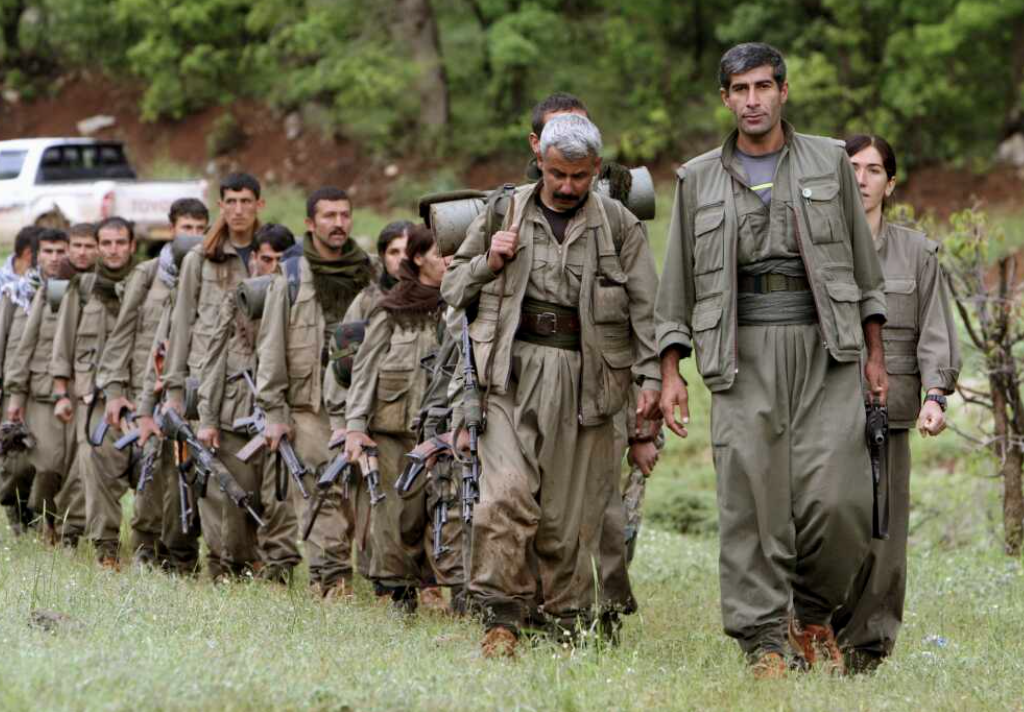
A senior commander from the Kurdistan Workers’ Party (PKK) has declared that the organization will take no additional steps in the ongoing peace initiative with Turkey, placing responsibility entirely on Ankara to move the process forward. Speaking to AFP from a bunker in the Qandil mountains of northern Iraq, commander Amed Malazgirt said that all actions initiated by their imprisoned leader, Abdullah Öcalan, have already been fulfilled by the group.
“All the steps the leader Apo has initiated have been implemented… There will be no further actions taken,” Malazgirt told AFP, making it clear that the organization is now shifting from an active role to a waiting position.
He added:
“From now on, we will be waiting for the Turkish state, and they have to be the ones taking steps.”
PKK Lists Two Key Demands for Continued Negotiations
According to Malazgirt, the PKK’s position moving forward will hinge on two fundamental demands:
-
The release of Abdullah Öcalan, referred to by supporters as “Apo.”
-
Official and constitutional recognition of Kurdish identity within Turkey.
Malazgirt argued that without these conditions, the peace process “will not succeed,” insisting that the initiative cannot advance solely through unilateral gestures.
Female Commanders Echo the Message: “Freedom of the Leader Is Essential”
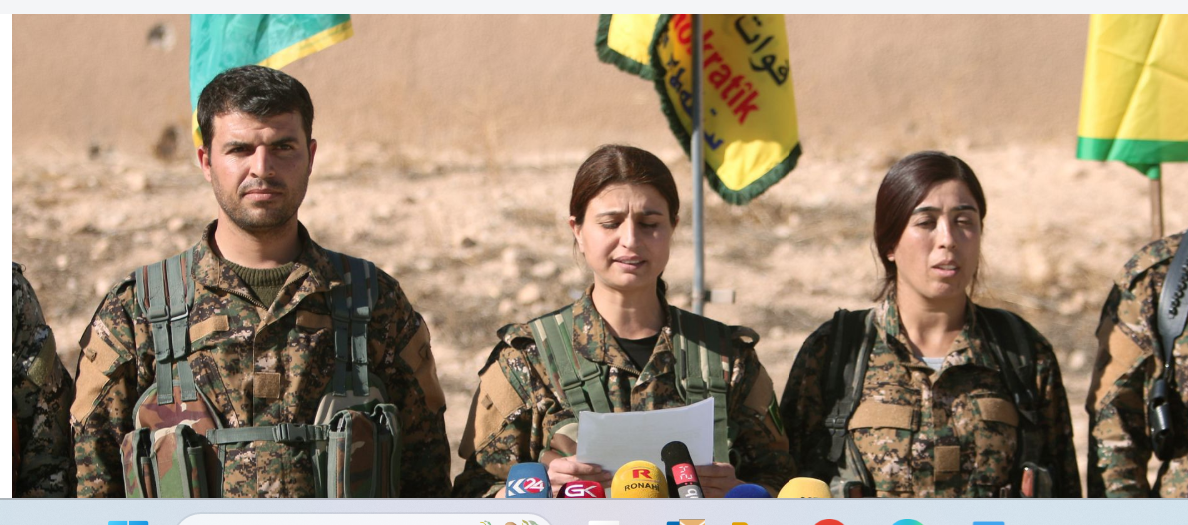
Serda Mazlum Gabar, another senior figure within the organization, reiterated the demand for Öcalan’s release. Speaking to AFP, she tied the broader Kurdish issue directly to the fate of the imprisoned PKK founder.
“As long as the leadership is inside, the Kurdish people cannot be free. Nor can we, as guerrillas, feel free,” she said.
She added a clear message to Ankara:
“Our path to freedom passes through the freedom of our leadership.”
These remarks underscore a long-standing stance within PKK leadership — that any sustainable de-escalation or long-term peace arrangement must begin with Öcalan’s liberation or at least a fundamental change in his conditions.
Öcalan’s Central Role in the Peace Process
Now 76 years old, Abdullah Öcalan remains a pivotal figure despite spending decades in solitary confinement on İmralı Island following his capture in 1999. Even from prison, he has played a central role in ceasefire declarations, messaging to the Kurdish movement, and the various diplomatic efforts surrounding the peace process.
The recent visit by Turkish lawmakers — part of a committee formed to evaluate pathways for the ongoing peace framework — has brought renewed attention to Öcalan’s status. The committee’s trip to İmralı earlier this week signaled a potential opening in the stalled dialogue, though Ankara has not publicly responded to the PKK’s latest demands.
A Stalemate With Political and Regional Consequences
The PKK’s announcement suggests that the peace process may be entering a new phase, one marked by tension, expectation, and a recalibration of roles. By halting further steps, the organization is attempting to place political pressure on the Turkish government to take the initiative, particularly regarding issues of constitutional recognition and Öcalan’s status.
However, analysts note that Ankara’s response — or lack thereof — will shape the direction of the process in the coming weeks. While the visit to İmralı may hint at movement, the Turkish government has historically resisted the idea of releasing Öcalan or making constitutional concessions tied explicitly to PKK demands.