Turkey’s Card Payments Hit 2.21 Trillion TL
 Credit Card Payments
Turkey’s payment ecosystem continued its rapid digital transformation in October 2025, according to the latest data released by the Interbank Card Center (BKM). The report shows that the total number of cards in circulation reached 463.2 million, reflecting steady growth across credit, debit, and prepaid cards. At the same time, the total value of card-based payments recorded a significant annual increase of 49%, hitting 2.21 trillion TL, marking one of the strongest expansions in recent years.
BKM’s findings highlight not only the scale of Turkey’s payment market but also the evolving habits of consumers who are increasingly shifting toward digital channels and touch-free technologies. With online spending rising sharply and contactless transactions becoming nearly universal in physical stores, October’s data paints a clear picture of a country fully immersed in the digital payments era.
Card Volume Climbs to 463.2 Million
According to the report, the total number of cards in Türkiye increased by 8% year over year, reaching 463.2 million as of October 2025. The card breakdown shows a continued preference for credit and debit products:
Credit Cards: 140.4 million (10% annual growth)
Debit Cards: 215.6 million (12% annual growth)
Prepaid Cards: Remaining share of total card volume
These increases demonstrate the growing reliance on card-based spending as consumers manage rising living costs, adopt new payment technologies, and increasingly integrate digital banking into daily transactions.
Total Payment Volume Soars by 49%
The combined value of credit, debit, and prepaid cards reached 2.210 trillion TL, a striking 49% year-on-year increase. Of this amount, 1.873 trillion TL was generated through credit card transactions alone, underscoring the dominant role of credit instruments in household consumption and business spending.
The rapid escalation in total payment volume aligns with broader economic trends, including inflation-driven price increases, rising demand for installment plans, and the expansion of nationwide e-commerce platforms. BKM’s analysis suggests that cards remain the preferred tool for both everyday purchases and large-ticket spending.
Digital Payments Maintain Strong Momentum
One of the standout elements of the October 2025 report is the continued acceleration in digital payment behavior. Consumers increasingly favor online and mobile channels, driven by convenience, speed, and enhanced security.
Online Spending Up 51%
Card-based e-commerce payments climbed to 653.7 billion TL, a 51% increase from the same period in 2024. Online transactions now account for 29% of all card payments, illustrating the centrality of digital commerce in the Turkish economy.
Whether for shopping, travel, food delivery, subscription services, or bill payments, digital transactions have become indispensable to daily financial activity. The report signals that this upward trend is unlikely to slow, with more retailers and service providers integrating advanced online payment options.
Contactless Transactions Dominate In-Store Payments
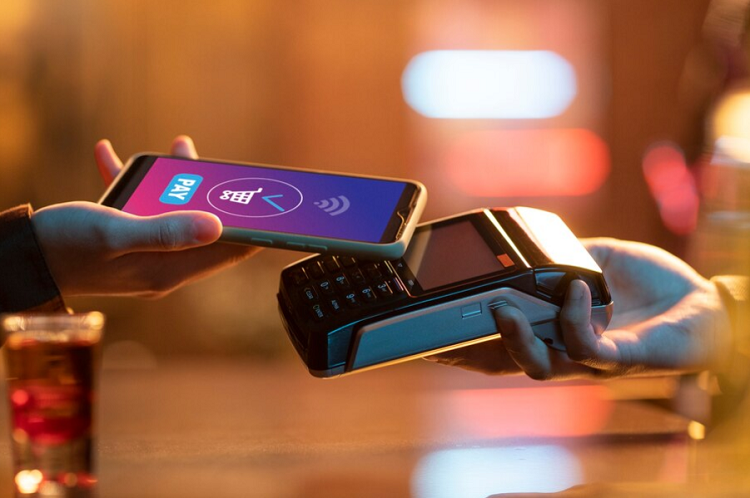
BKM also reports that four out of every five in-store card transactions were completed using contactless methods in October. This shift reflects the widespread adoption of NFC-enabled cards, mobile wallets, and tap-to-pay devices, as well as consumer preference for speed and hygiene.
Contactless payment volume rose 54% year-on-year, reaching 728.1 billion TL. The surge demonstrates how quickly Turkish consumers embraced tap-and-go technologies, making the country one of the strongest adopters of contactless payments within emerging markets.
Prepaid Card Usage Declines Sharply
While most segments of the payment ecosystem expanded, prepaid card usage declined significantly. BKM’s report shows that payment volume and transaction counts for prepaid cards fell by 23% and 54%, respectively, compared with the previous year. This downturn reflects a shift toward more flexible options such as digital banks, mobile wallets, and credit-based payment solutions.