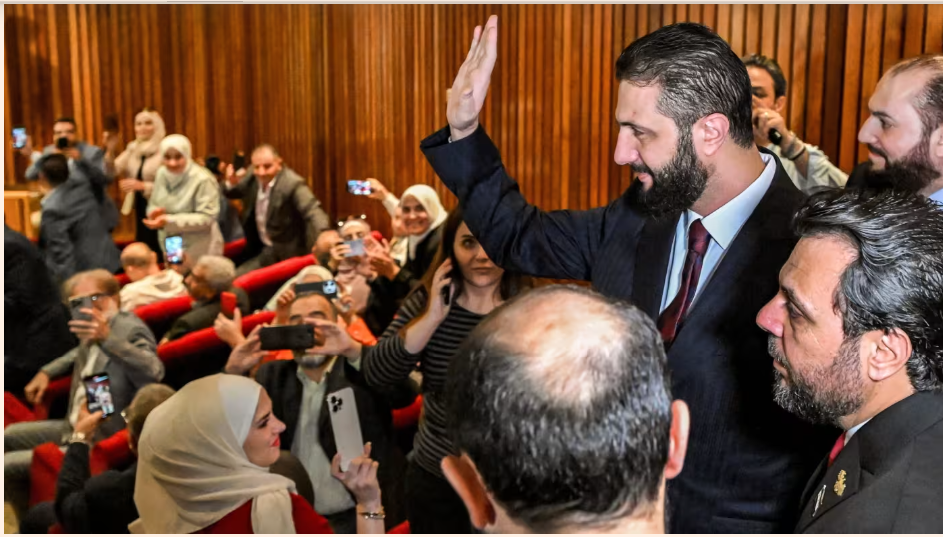
Mazloum Abdi Signals Conditional Path to Damascus Deal
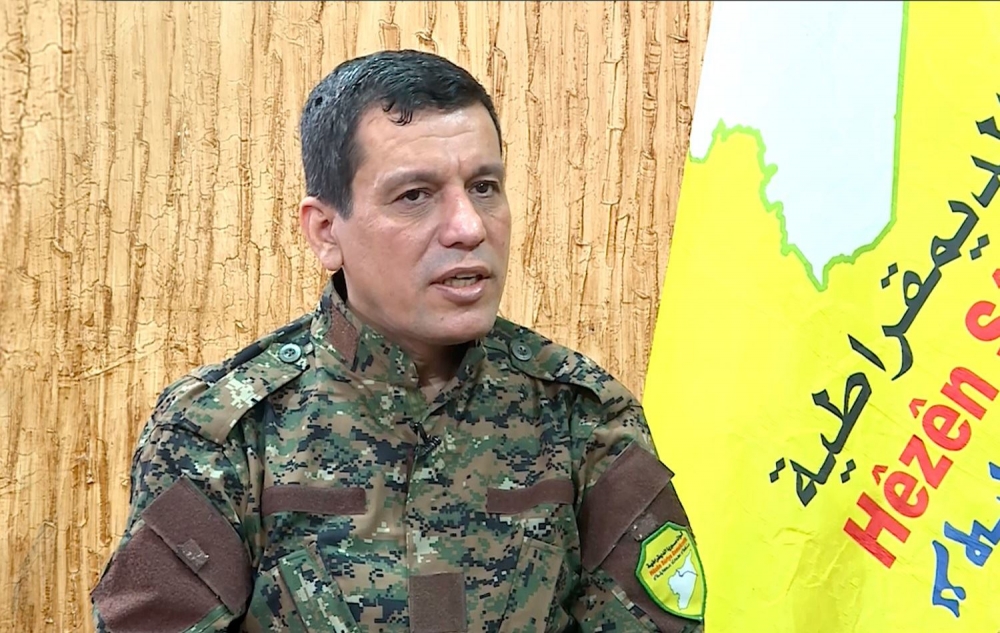 Mazloum-Abdi
Syrian Democratic Forces (SDF) Commander-in-Chief Mazloum Abdi has outlined the conditions under which an agreement with the Syrian government could be reached, emphasizing that the path forward hinges on constitutional reform, governance guarantees, and the recognition of local community rights. Speaking to Mezopotamya Ajansı (MA), Abdi said that the core political disputes remain unaddressed and warned that discussions limited to military arrangements cannot produce a sustainable settlement. His remarks provide one of the clearest public snapshots of where negotiations between the SDF and Damascus currently stand.
According to Abdi, the Syrian government has “so far refused” to engage in talks on political and constitutional topics before resolving military and security issues — a sequencing he called incorrect. He argued that meaningful progress requires a parallel track to address political representation, local administrative rights, and future constitutional frameworks. The Kurdish delegation, he added, is prepared to visit Damascus once there is visible political willingness: “practical steps” are necessary for the next phase of dialogue.
Push for Constitutional Amendments and Inclusive Governance
One of the central points Abdi raised is the need to amend the Constitutional Declaration to align with the March 10 Agreement, which outlines a roadmap for governance and local rights in northern and eastern Syria. He stressed the importance of a system that enables inclusive participation by Kurds, Arabs, Assyrians, and other local communities. In his view, a new constitution must be drafted by a committee that “represents all Syrian forces and components,” reflecting the country’s demographic diversity. Abdi estimated that this redrafting process could take 2 to 3 years, highlighting the structural complexity of rebuilding governance in a fractured state.
Regional Diplomacy and the Duhok Forum: “A New Beginning”
Abdi also discussed his participation in the Middle East Peace and Security Forum in Duhok, describing the meetings as a “new beginning” for regional relations. He indicated that dialogues with political, academic, and diplomatic figures created an atmosphere conducive to fresh cooperation. This, he suggested, could expand political channels available to the Autonomous Administration and the SDF at a time when local, regional, and global actors remain heavily invested in Syria’s future.
US Engagement: Washington Supportive but Cautious
The SDF leader said that US Special Envoy to Syria Tom Barrack briefed him on recent diplomatic discussions on northern and eastern Syria, as well as on the SDF’s role. According to Abdi, the meetings signaled that Türkiye’s position appeared “less rigid” than in previous rounds. He added that Washington continues to support dialogue-driven solutions and acknowledges the SDF’s central role in the anti-ISIS campaign. Despite this, Abdi warned that many agreements “often go unimplemented,” noting that while initial military steps are sometimes taken, deeper constitutional and governance questions remain unresolved.
Integration Into the Syrian Army: A Strategic Advantage, Says Abdi
One of the most notable proposals Abdi reiterated is the integration of the SDF into the Syrian army. He argued that such a move would strengthen the overall military structure, describing the SDF as “the most organized force” with substantial operational experience gained from years of fighting ISIS. Abdi highlighted that the SDF represents a cross-section of communities in northern and eastern Syria, giving it a unique social base unmatched by other armed groups. This, he suggested, would make integration not only a military asset but also a stabilizing factor in a post-conflict Syria.
Rejecting Claims of Obstructing the March 10 Agreement
Addressing criticism that the SDF hindered implementation of the March 10 Agreement, Abdi rejected these allegations. He said the organization had shared documents with the United States, France, and the United Kingdom, demonstrating that it fulfilled all obligations outlined in the terms. These records, he noted, contradict accusations circulated by political rivals or parties seeking leverage in ongoing negotiations.
Related articles
U.S. Pulls Out of More Bases in Syria, Raising Alarm Over ISIS Resurgence
Trump–Sharaa Summit: Breakthrough on SDF Integration and Sanctions Relief Signals New Phase in Syria–US Relations
Ankara Presses for YPG Integration into Syrian Armed Forces Amid Political Transition