



China’s EV Giants Hit the Brakes in Turkey
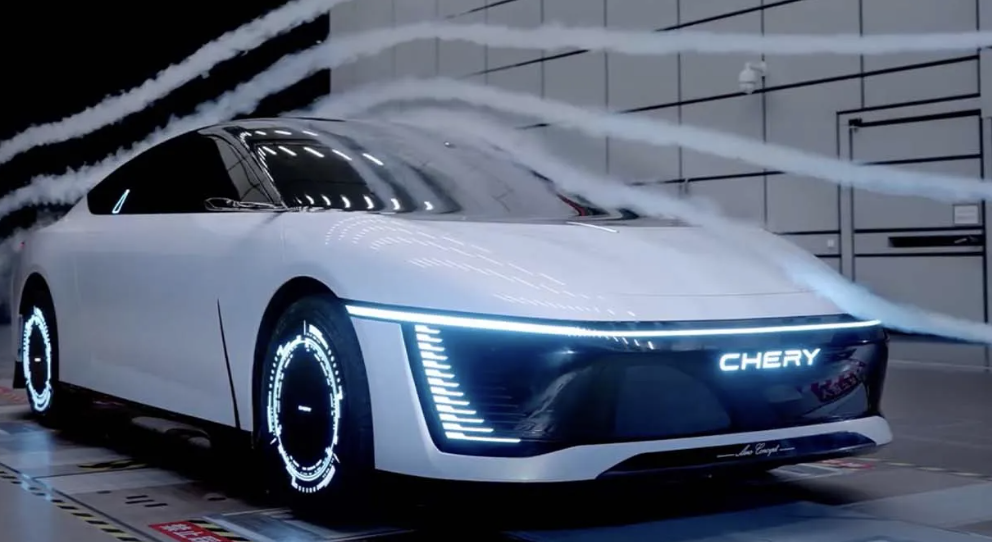 cherry
Turkey once believed it had found the post-Honda revival of its automotive industry in China’s electric vehicle giants. With BYD, Chery, and GAC all pledging massive investments, Ankara is expected to transform itself into a crucial EV manufacturing hub linked directly to Europe. Yet months later, those plans remain frozen in a fog of geopolitical tension, rising protectionism, and quiet boardroom recalculations.
The move looked flawless on paper. Turkey would act as a cost-efficient production base, leveraging the EU Customs Union to funnel Chinese EVs straight into European markets without harsh tariffs. In return, Chinese automakers would bypass the EU’s escalating trade barriers while benefiting from Turkey’s sizable domestic EV demand and generous tax incentives.
Reality, however, has drifted far from that optimistic blueprint. And GAC’s recent pivot offers the clearest signal yet that the momentum is shifting elsewhere.
EU Pressure Slows Down China’s Investment Rush
The European Commission’s decisively tougher stance on Chinese-made EVs has cast a long shadow over Turkey’s ambitions. Brussels has imposed new extra duties between 17.4% and 37.6% on Chinese electric vehicles and is increasingly wary of any “backdoor entry” through non-EU countries aligned with the Customs Union.
Former Renault Turkey CEO Hakan Doğu warns that EU policymakers are vehemently opposed to Turkey becoming an “alternative entry corridor” for Chinese manufacturers. According to Doğu, Brussels could even consider suspending Customs Union privileges if it believes Ankara is enabling tariff circumvention—a risk that instantly complicates investment strategies.
These warnings, coupled with tight global supply chains and intensifying trade wars, have made Chinese companies far less eager to break ground in Turkey without absolute regulatory clarity.
BYD’s Manisa Project: Big Promise, Zero Progress
One of Turkey’s biggest hopes was the $1 billion BYD factory slated for Manisa. Yet on-site reports suggest the area has seen virtually no development—“not even a nail has been hammered,” according to local sources.
BYD publicly maintains its commitment, promising construction will start in summer 2024 and that production will ramp up by 2026. However, its recent expansion in Hungary, where the company announced a new assembly facility, has revived speculation that Europe—not Turkey—is becoming the focal point of BYD’s long-term strategy.
Chery’s Samsun Investment: Silence After the Hype
Chery’s equally ambitious $1 billion factory in Samsun is stuck in a similar limbo. Since its announcement in March 2025, the company has neither signed final agreements nor initiated physical groundwork.
Chery says it is still searching for a local partner, while Ankara insists the project remains alive. Still, the prolonged quiet is fueling questions about whether the plan is being quietly deprioritized—or even shelved—as geopolitical winds shift across Europe.
GAC Makes Its Choice, And It’s Not Turkey
Among the three giants, GAC has made the most straightforward call: it’s heading straight to the EU.
By beginning production of its Aion V electric SUV at Magna Steyr’s Austrian facility, GAC effectively signaled that manufacturing inside the EU’s trade walls is a safer bet than navigating uncertainties in Turkey.
This decision may serve as a roadmap for other Chinese firms navigating Europe’s increasingly protectionist landscape.
What’s at Stake for Turkey?
Turkey now faces the real possibility of losing its bid to become a regional EV production powerhouse. With Chinese imports already subject to a 40% additional customs duty, Ankara hoped to lure manufacturers with exemptions for companies willing to build factories inside Turkey.
But the widening rift between Brussels and Beijing, combined with concerns over the durability of the Customs Union, is dampening foreign enthusiasm.
The coming year will be decisive. If BYD and Chery fail to move from promises to action, the EV investment wave could shift decisively toward the EU—a scenario that may cost Turkey one of the most significant industrial opportunities of the decade.