



Turkey’s New Power Rule Could Spike Bills 160%
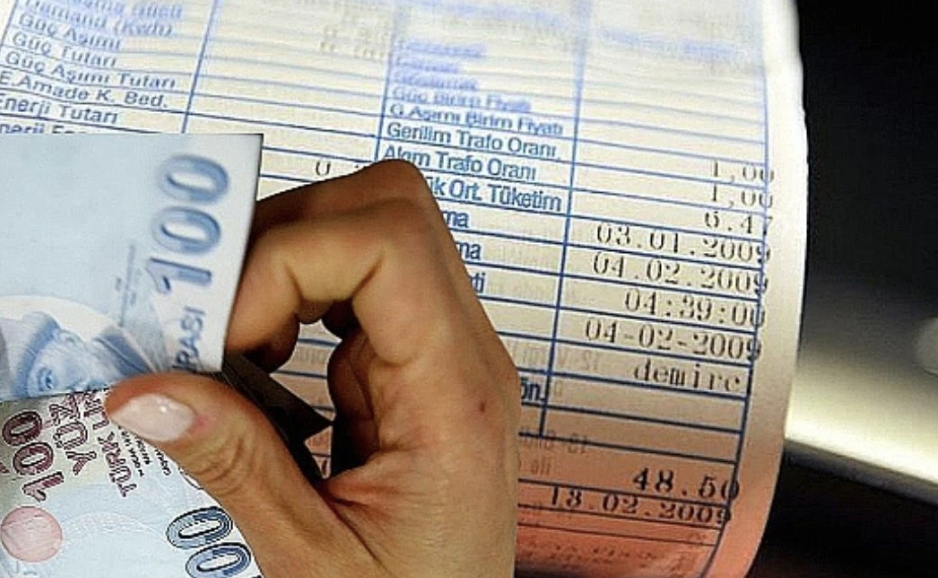 electric bill
A significant policy shift scheduled to take effect in 2026 has triggered widespread public debate, with analysts warning that millions of households could see dramatic increases in their monthly electricity bills. Under the upcoming regulation, homes consuming more than 4,000 kilowatt-hours per month will no longer receive state support.
Prominent economic commentator Murat Muratoğlu argues that removing subsidies for high-consuming households could lead to bill increases far beyond modest adjustments. According to his assessment, the jump may reach 160%, reshaping the cost burden for millions across the country.
From 5,000 to 4,000 Kilowatts: A Lower Threshold With Bigger Consequences
The regulation lowers the annual threshold for eligibility, moving from 5,000 kilowatt-hours per year to a level that effectively corresponds to 417 kilowatt-hours per month. Muratoğlu highlights that this new cutoff places ordinary families at risk of crossing the limit, even when using electricity for essential daily needs rather than luxury consumption.
He describes the situation with a straightforward example:
A typical family of four maintaining a basic household routine, running a refrigerator, operating a washing machine multiple times a week, turning on lights for evening study hours, and watching television, would quickly reach the threshold. Under such circumstances, stepping even slightly above these minimal usage levels categorizes the household as a “high consumer,” making it ineligible for state-backed support.
Reclassification of Consumers: A Shift With a High Price Tag
Muratoğlu argues that the regulation effectively reclassifies millions of citizens as households no longer in need of financial support. He suggests that the new limit’s intention is not aligned with the economic realities families face.
He describes the scenario as a form of “forced upward mobility,” in which households are labeled as affluent without any change in income or living standards. Once this new classification is applied, families may face substantial increases in their monthly bills.
According to Muratoğlu, the price hike expected for those who exceed the threshold is not a minor adjustment:
He claims that the increase will not be 20% or even 50%, but could reach 160%, imposing a significant cost burden on middle-income and low-income households alike. He estimates that as many as 15 million households, or roughly 45 million individuals, could be directly affected by this new structure.
Critics Emphasize Impact on Basic Household Needs
Experts warn that an electricity consumption threshold set below average usage levels may be especially challenging for larger families. In many cases, electricity use is not discretionary but is tied to essential activities, such as food preservation, hygiene, education, and communication.
Critics argue that the threshold does not accurately reflect the minimum standard of living required to maintain a stable household environment. They caution that penalizing basic consumption risks widening socio-economic disparities at a time when households are already facing high living costs.
Supporters See an Opportunity for Efficiency
On the other side of the debate, proponents of the policy believe the regulation could encourage households to reduce consumption and adopt energy-efficient practices. They argue that shifting subsidies away from higher-use brackets promotes responsible energy use and aligns with broader sustainability goals.
However, analysts counter that any efficiency-driven strategy must still align with realistic consumption needs, especially for families who already operate within modest electricity budgets.
A Policy Likely to Affect Millions in 2026
As the implementation date approaches, discussion around the policy continues to intensify. The primary concern among analysts is whether the threshold accurately reflects modern energy needs or imposes an undue financial burden on average households.
While the government emphasizes responsible planning and energy sustainability, critics argue that affordability must remain central to any long-term strategy. With millions expected to surpass the newly established limit even with moderate usage, households may need to prepare for significant bill adjustments in the coming years.
The debate is expected to continue well into 2025, as citizens, consumer advocacy groups, and energy experts evaluate the long-term consequences of the upcoming shift.