High-Stakes İmralı Visit: Three-Party Delegation Completes Preparations
 öcalan
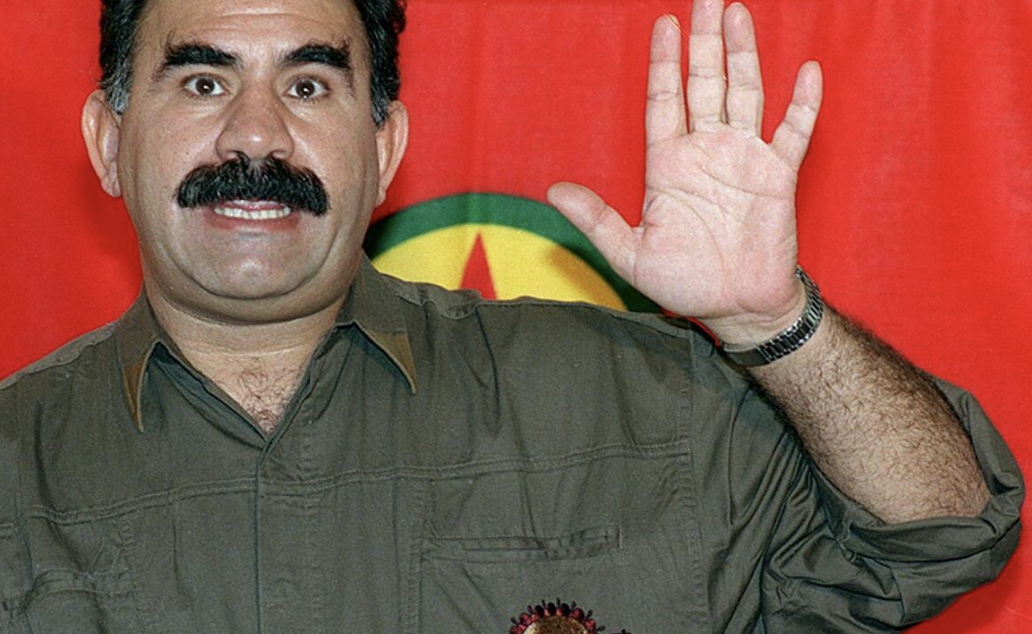
A cross-party delegation composed of senior representatives from the AK Party, MHP, and DEM Party has completed its preparations for a high-stakes visit to İmralı Island, according to reporting by Türkiye Gazetesi. This mission, undertaken by AK Party Deputy Chairman Hüseyin Yayman, MHP Deputy Chairman Feti Yıldız, and DEM Party Group Deputy Chair Gülistan Kılıç Koçyiğit, marks one of the most sensitive political steps in recent months.
The National Intelligence Organization (MİT) is responsible for all logistical and security arrangements, highlighting the importance and complexity of the upcoming meeting.
Commission Approval Secured Through Majority Vote
The parliamentary commission overseeing the matter approved proceeding with the visit by a majority vote. In a rare alignment, members from the AK Party, MHP, DEM Party, TİP, and EMEP voted in favor of the decision. The approval required the formal consent of the Ministry of Justice, which was granted on November 23, completing the final legal requirement for the delegation to travel.
The vote represents one of the few moments when parties with sharply different political positions agreed on a shared procedural step. However, it has also deepened broader debates within the political sphere.
Symbolic Message Ahead of Departure
Before departing, MHP’s Feti Yıldız shared a brief message on social media expressing a personal prayer, saying he hoped to be “a key for good and a lock for wrongdoing.” Although brief, the message drew attention due to its timing and the mission’s controversial nature.
The statement also underscored the emotional and political weight of the visit, as well as the heightened scrutiny directed at the delegation.
A Commission Structure Long Surrounded by Debate
The commission responsible for managing the İmralı process has been the subject of ongoing debate since its formation. Many political observers have pointed to its structure, mandate, and authority as sources of friction.
The process gained new momentum following a high-profile statement by MHP Chairman Devlet Bahçeli, who expressed a willingness to go to the island if necessary personally. His declaration was widely interpreted as a turning point and intensified internal political discussions about the next phase of the process.
The commission’s activities and decision-making procedures have since become a defining topic in parliamentary discussions, fueling differing perspectives on transparency, political necessity, and national priorities.
Parties That Chose Not to Participate
Although the visit was approved by a majority, not all parties chose to take part in the commission’s work.
The Republican People’s Party (CHP) opted not to participate in the vote and later announced that it would not assign a representative to the delegation. This decision reaffirmed the party’s reservations regarding the process and its broader implications.
On the day of the planned visit, the Democrat Party formally withdrew from the commission, citing disagreement with the decision to proceed with the trip to İmralı. The withdrawal signaled a protest against both the method and the commission’s agenda.
A Delicate Moment in the Political Landscape
The impending visit to İmralı represents a moment of heightened sensitivity for Turkey’s political environment. With deep public interest, diverging party positions, and a commission structure that continues to attract scrutiny, the mission reflects a complex intersection of legal procedure, political strategy, and institutional responsibility.
MİT’s coordination adds a layer of significance, indicating the state’s prioritization of security and controlled communication.
While the content of the meeting and its outcomes remain confidential, the delegation’s movement alone has positioned the event as a focal point in national discourse. As political actors prepare for the implications, the visit is likely to shape debates in the weeks ahead, influencing parliamentary dynamics and party relations across the political spectrum.