Turkish Arrest Warrant Fuels Israeli Defense Alignment with Greece, Cyprus Amid Escalating Regional Tensions
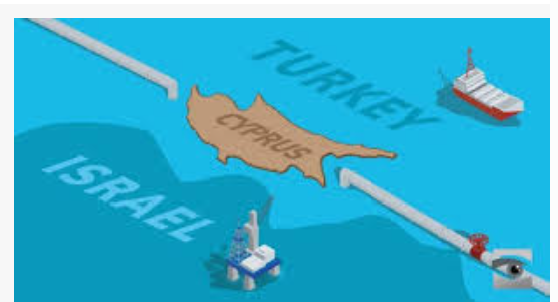 cyprus in the middle
A Turkish court’s issuance of an arrest warrant against Israeli Prime Minister Benjamin Netanyahu on genocide charges has accelerated Israel’s defense cooperation with its Eastern Mediterranean allies, Greece and Cyprus, amid escalating rhetoric and a regional arms race.
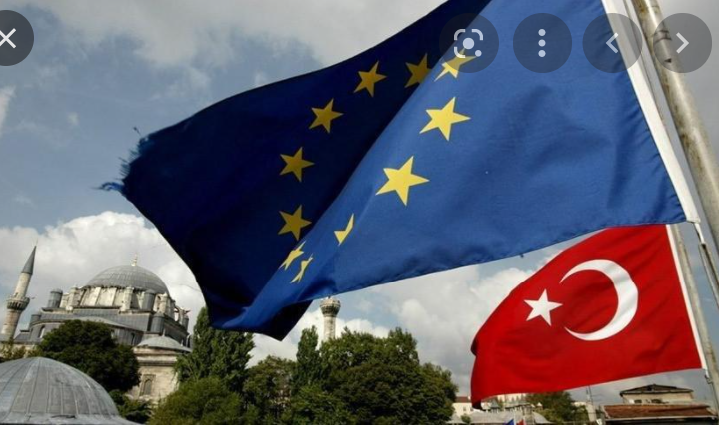
Relations between Israel and Turkey have plummeted further following a Turkish court’s decision to issue an arrest warrant against Israeli Prime Minister Benjamin Netanyahu and other senior officials on charges of genocide. Israel strongly condemned the move, which comes as diplomatic ties remain volatile over the Gaza conflict.
The warrant coincides with a significant and rapid acceleration of Israel’s defense partnerships with two of Turkey’s key rivals in the Eastern Mediterranean: Greece and the Republic of Cyprus. This strategic alignment is openly viewed by some Israeli officials as a direct counterweight to Ankara’s growing regional influence.
The New Axis of Defense Cooperation
As bilateral ties between Jerusalem and Ankara deteriorate, Israel has stepped up joint military exercises and defense sales with Athens and Nicosia, which both have longstanding territorial disputes with Turkey over maritime rights and the division of Cyprus.
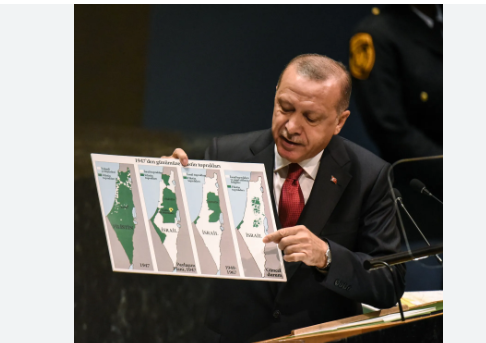
Israeli officials are framing the deepening cooperation as essential for countering threats posed by Turkish President Recep Tayyip Erdoğan.
“The doctrine of Erdoğan is extremely dangerous. It’s extremely dangerous for Israel, and we see Erdoğan’s Turkey as the new Iran, nothing less. It’s very dangerous for Cyprus and it’s very dangerous for Greece,” stated Amichai Chikli, Israel’s Diaspora Minister, highlighting the perceived shift in Ankara’s regional posture.
This month alone, Israeli and Greek warships conducted joint military drills in the Eastern Mediterranean, following similar exercises by their respective air forces. Analysts suggest that the recent Gaza ceasefire, however fragile, has been seen as a “green light” to accelerate these security arrangements.
“We see the ceasefire is definitely seen as the green light to proceed in cooperation. We see defence deals… serious defence deals are being discussed,” noted Gallia Lindenstrauss, an Israeli foreign policy specialist at the Institute for National Security Studies in Tel Aviv.
Israel has already provided Greece and Cyprus with some of its most sophisticated weapons systems, a move that has caused significant alarm in Ankara.
The Cyprus Flashpoint
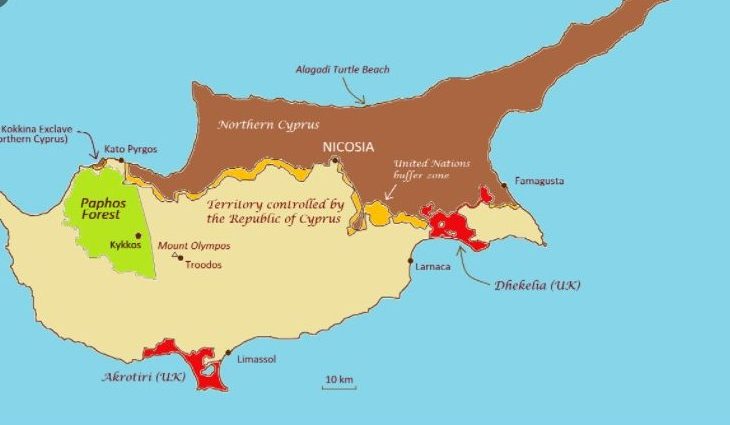
The island of Cyprus is rapidly becoming a focal point for the escalating Turkish-Israeli rivalry due to its critical strategic location. The island hosts two British military bases, which the United States maintains a presence on, while Turkey has an airbase in the Turkish Republic of Northern Cyprus, recognized only by Ankara.
Former Erdoğan advisor and journalist Ilnur Cevik underscored the island’s military value, warning that “The island is like a static aircraft carrier; it can dominate the whole of the Middle East and Turkey as well.” Turkey, he noted, views the island as a security zone and has considered setting up new naval and airbases there.
This concentration of military assets and competing security interests risks emboldening Greece and Cyprus in their disputes with Turkey, especially with explicit Israeli support.
Escalation and the Regional Arms Race
Adding to Israeli concern is Turkey’s recent defense procurement, including the potential purchase of Eurofighter jets and an ambitious missile development program that encompasses hypersonic and ballistic capabilities.
Israeli analyst Lindenstrauss questioned the need for such advanced offensive weaponry for a “status quo actor,” suggesting that “middle and long-range missiles do suggest this is something more related to offensive intentions.” All regional actors with tense relations with Turkey are reportedly monitoring these developments closely, fearing an escalating arms race characterized by “alliances of convenience.”
Despite the heightened tensions and war of words, US officials are attempting to mediate and downplay the immediate threat of conflict. US Ambassador to Turkey Tom Barrack publicly dismissed the idea of war between the two NATO-allied countries, suggesting regional alignment would eventually prevail.
However, analysts like Asli Aydintasbas of the Brookings Institution confirm that Washington remains “very concerned” and is actively trying to de-escalate the situation, indicating the severe nature of the strategic rift now developing in the Eastern Mediterranean.