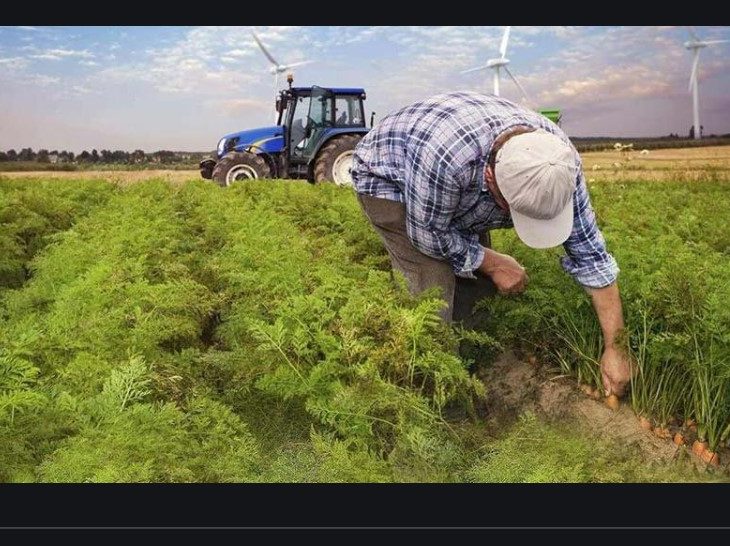
Türkiye Must Treat Agriculture as a Strategic Pillar, Not an Afterthought
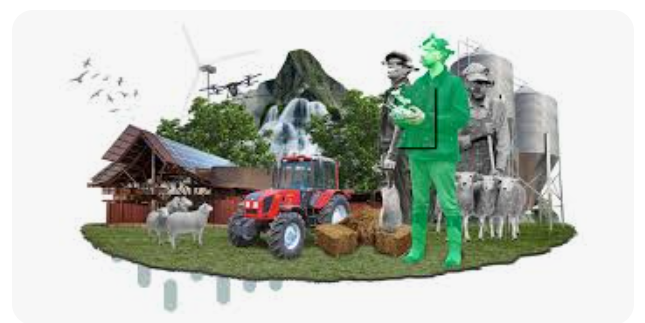 tarim kalkinma
Summary:
As world leaders gather at the COP30 Summit in Brazil amid alarming climate reports, experts warn that agriculture is emerging as one of the most vulnerable sectors. With rising drought risks, shifting seasons, water scarcity and the need for advanced technology integration, Turkey faces a critical moment. Analysts argue that Ankara must urgently place agriculture at the center of its development model, modernize production, support small farmers, and reverse rural depopulation before food insecurity and inflation risks deepen.
(Author Cetin Unsalan)

COP30 Highlights Intensifying Climate Pressures
The COP30 Summit continues under the shadow of new warnings about the accelerating climate crisis. While the final communiqué will offer a clearer picture, the latest scientific reports point to rapidly growing risks.
One of the sectors most exposed to these risks is agriculture. Water shortages, unpredictable seasonal shifts and rising drought threats are reshaping the fundamentals of global food production. These pressures signal the beginning of a period in which long-standing assumptions about farming will no longer hold.
Agriculture Requires Technological Transformation
Climate instability is forcing countries to rethink how they grow food. Smart technologies, digital monitoring systems and advanced agronomic tools are now essential to maintaining productivity.
Even though scenarios differ across climate models, two newly published reports indicate that global targets may be difficult to meet. Some gaps might be bridged by innovations still emerging, but the timeline for adopting such technologies remains uncertain.
What is certain, however, is that Turkey must act within its own economic framework to support the agricultural sector before the damage becomes irreversible.
Turkey Needs a Structural Shift in Agricultural Policy
Turkey’s priority should be building an agricultural system that strengthens both domestic supply and export potential. Analysts stress that:
-
Small farmers must be integrated into planned, collective production systems.
-
Modern farming techniques should be adopted at scale.
-
Human capital must be trained for next-generation agriculture.
-
High-value, export-oriented output should become a national objective.
Fields such as vertical farming, greenhouse modernization, soil rehabilitation and biotechnological agriculture require strategic planning and accelerated investment.
In short, Turkey no longer has time to postpone comprehensive agricultural reforms.
From “Strategic Sector” to the Core of the Development Model
For years, agriculture has been treated as a sector that is “strategic” in name only. Experts argue that this approach must change immediately.
Turkey should:
-
Place agriculture at the center of its development model,
-
Support agri-tech startups and innovation,
-
Create solutions not only for domestic needs but also for global food security challenges.
The combination of strong local production and technological capability could give Turkey a meaningful advantage in an increasingly uncertain global food market.
Reversing Rural Depopulation Is Essential
Any agricultural strategy will fail unless Turkey addresses the massive population shift from rural areas to big cities. Policymakers should stop celebrating urban migration and instead create incentives for reverse migration.
This requires improving the quality of life in Anatolia—education, social services, infrastructure, digital connectivity and job opportunities must be strengthened.
Unless rural communities are revitalized, Turkey risks facing a future in which even money cannot guarantee food security. The consequences would include:
-
Higher inflation,
-
Supply chain disruptions,
-
Increasing dependence on food imports,
-
Long-term risks to national resilience.
Time to “Protect Agriculture Like Our Own Eyes”
The warning is clear: Turkey must look after its agricultural sector with utmost care. That means reframing agriculture as a central economic priority, not a secondary talking point.
The longer the delay, the higher the cost will be—for prices, for food security, and for national stability.
PA Turkey intends to inform Turkey watchers with diverse views and opinions. Articles in our website may not necessarily represent the view of our editorial board or count as endorsement.
Follow our English language YouTube videos @ REAL TURKEY and Twitter @AtillaEng.
Related articles
Climate crisis: Almost a thousand extreme weather events occurred in Turkey last year
Cetin Unsalan: Turkey’s non-sense parading as export policy
Türkiye Leads Europe in Agricultural Output, Ranks 8th Globally