Geopolitical Tightrope: US Pressure Tests Turkey’s Russia Alliance
 tightrope
Ankara’s Balancing Act Under Threat as Washington Demands Cut-Off from Moscow’s Energy Lifeline
By Hasan Aksay, T24 YouTube Channel
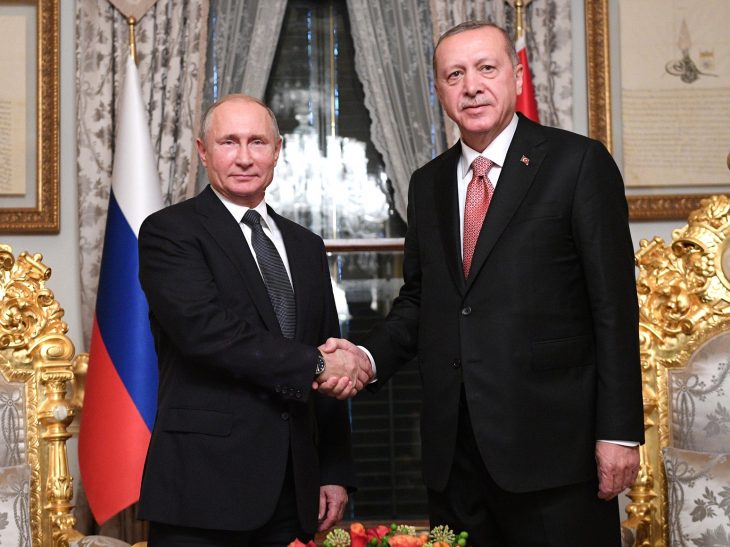
The relationship between Turkey and Russia, meticulously cultivated over two decades by Presidents Recep Tayyip Erdoğan and Vladimir Putin, has entered a critical, perhaps irreversible, phase of tension. While the partnership was always one of pure transactional pragmatism, recent geopolitical shifts—particularly in Ukraine and the Caucasus—combined with a massive surge in US pressure, are forcing Ankara to confront the limits of its decades-long balancing act.
The core of the problem, according to the analysis, is the intensifying diplomatic and economic offensive from Washington. The US is reportedly applying increasing pressure on Turkey—albeit in a “polite but firm” manner—to dramatically curtail or cease its imports of Russian oil and natural gas. This strategic pivot is intended to deny the Kremlin critical revenue streams needed to finance the war in Ukraine. Recent high-level meetings, such as those involving Turkish Foreign Minister Hakan Fidan and US officials, have placed this demand front and center.
The Pragmatic Alliance: From Partnership to Risk
The Erdoğan-Putin relationship, which began to truly flourish in the early 2000s, was characterized by both leaders using the other as leverage against the West. For Turkey, close ties with Russia were a strategic tool to signal independence from NATO and secure critical energy supplies. For Russia, Turkey was an essential “window to the world” and a potential disruptor within the Western alliance.
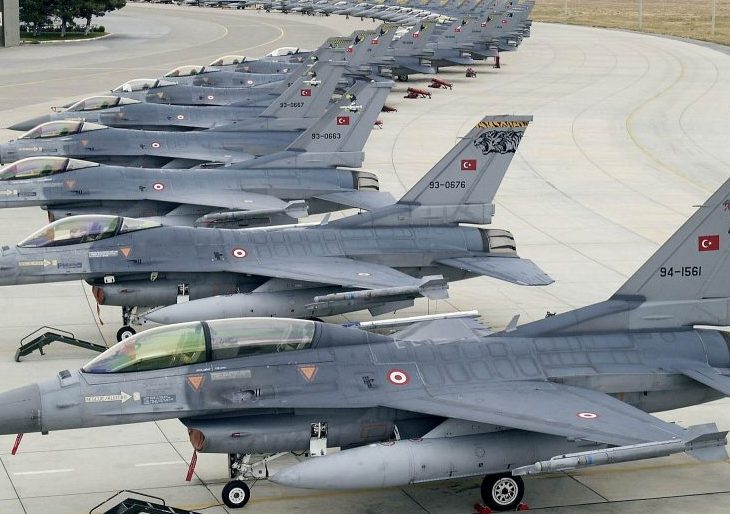
Despite this alignment, the partnership has always been defined by fundamental distrust. Tensions peaked with the downing of a Russian jet by Turkey in 2015, followed by the controversial acquisition of Russian S-400 missile systems by Ankara—a move that continues to plague Turkey’s relations with the US and NATO.
The current friction points are far more systemic:
- The Ukraine Factor: Turkey’s active, though balanced, support for Ukraine has angered Moscow. This includes Ankara’s diplomatic efforts to facilitate peace talks and prisoner exchanges, but more significantly, the delivery of Bayraktar drones and plans for a Bayraktar factory near Kyiv. Russia’s recent bombing of the planned factory site, despite Turkey’s mediating role, serves as a stark reminder that in wartime, “no one sheds a tear for anyone.”
- The NATO Pivot: Russia has expressed growing concern over Turkey’s increasing alignment with the West since the 2023 elections. Moscow was dismayed by Ankara’s approval of Sweden’s NATO membership and the return of five Azov battalion commanders to Ukraine without Moscow’s consultation. The presence of key ministers like Hakan Fidan and Mehmet Şimşek, widely perceived in Moscow as having strong pro-Western or even “pro-British” leanings, has fueled Kremlin concerns that Turkey is irrevocably drawing closer to the US and Europe.
- Geopolitical Losses: In the Caucasus and Syria, Russian influence has waned, partly due to Turkish backing of Azerbaijan. The conclusion of the Astana process regarding Syria, which was seen as a significant win for Moscow, ultimately resulted in major setbacks for Russia and Iran, with Turkey achieving several strategic goals. This perceived loss of strategic ground has left a lingering, negative impression in Moscow.
Energy Dependence: Ankara’s Non-Negotiable Constraint
The pressure to cut off Russian energy ties comes at a time when Turkey’s dependence is near an all-time high. Official data shows that in the first eight months of the year, Russian crude oil accounted for nearly 62.6% of Turkey’s total petroleum imports—a significant jump above historical norms. Natural gas imports from Russia also remain high, at approximately 45%.
For Turkey, immediately severing these supply lines is deemed impossible. The country’s domestic gas production can cover less than 5% of its consumption, leaving it critically reliant on Russia and others. This dependency is underscored by the impending expiration of the Blue Stream gas pipeline agreement at the end of the year, adding another layer of uncertainty to energy relations.
The Nuclear Counterbalance
A fascinating dimension to the US pressure campaign involves Turkey’s nuclear energy plans. While Russia is currently constructing the $20 billion Akkuyu Nuclear Power Plant on Turkey’s Mediterranean coast, the focus is now shifting to the proposed second plant in Sinop on the Black Sea coast.
Recent reports suggest that the US is aggressively lobbying for an American, Korean, or Canadian consortium to undertake the Sinop project, a topic that reportedly surfaced during the Erdoğan-Trump conversations. If a Western partner secures the Sinop deal, it would create a significant strategic balance: Russian-built nuclear infrastructure in the south (Akkuyu) and US-backed infrastructure in the north (Sinop). This would serve as a crucial symbolic and energy-based counterbalance against the increasing Russian presence in Turkey’s key energy sector.
Ultimately, while the current diplomatic friction is intense, the relationship is unlikely to collapse entirely. Both states benefit too much from the transactional nature of the alliance. However, Ankara must manage the mounting risk of being increasingly drawn into the Russia-West confrontation, particularly given its NATO membership and the presence of critical NATO assets like the Incirlik base on its soil.
From ‘Yelbasy’ to Exclusion: The Fall of Nazarbayev’s Dynasty
The geopolitical review also provided a historical profile of Nursultan Nazarbayev, the pivotal figure who dominated Kazakhstan’s political landscape for three decades. His narrative offers a cautionary tale about the pitfalls of perpetual rule.
Nazarbayev, who turns 85, rose from humble beginnings as a metallurgist worker in the Soviet era to become a key figure in the USSR’s final years and the founding father of independent Kazakhstan. He was a dominant leader, securing five presidential victories from 1991 to 2019. During his rule, he cultivated an immense cult of personality. He was granted the title Yelbasy (Leader of the Nation) for life, and the capital city, Astana, was controversially renamed Nur-Sultan in his honor in 2019.
Despite stepping down as president in 2019 and handing the reins to his trusted prime minister, Kassym-Jomart Tokayev, Nazarbayev attempted to govern from behind the scenes, retaining the powerful position of Chairman of the Security Council for life. This ‘shadow rule’ continued until January 2022, when Kazakhstan was rocked by nationwide protests and violent riots, initially sparked by social and economic grievances.
In response to the chaos, President Tokayev requested assistance from the Collective Security Treaty Organization (CSTO), leading to the deployment of Russian troops. However, in a move that signaled a swift shift in power, Tokayev dismissed the Russian forces soon after order was restored.
The crisis provided Tokayev with the leverage needed to systematically dismantle the Nazarbayev dynasty. Over the following two years, Nazarbayev was stripped of his lifetime privileges, including the Yelbasy title and the chairmanship of the Security Council. His immediate family and a vast network of relatives and allies, who had accumulated immense wealth and held key positions in the government, economic institutions, and regional administrations, were systematically removed from power.
The Nazarbayev saga underscores the risk inherent in long-term authoritarian rule: the longer a leader stays in power, the greater the opportunities for widespread corruption and the more difficult the eventual, inevitable transition becomes. Despite recent, rare public appearances and the publication of his memoir, Nazarbayev’s political influence has effectively been eliminated, offering a potent symbol of how quickly a powerful leader can be marginalized by a successor willing to exploit a moment of crisis.