FATF Inspection Behind Turkey’s Wave of Money Laundering Raids, Sources Say
 fatf1
fatf1
Turkey’s recent surge of money-laundering raids and asset seizures targeting payment companies, fintechs, and large conglomerates is linked to an upcoming onsite inspection by the Financial Action Task Force (FATF), according to several people familiar with the matter. The visit could last up to three weeks and will evaluate whether Turkey has strengthened its anti-money laundering and counter-terrorism financing (AML/CFT) framework since leaving the FATF grey list in 2024.
A wave of operations ahead of a critical visit
For months, Turkish authorities have carried out sweeping operations against alleged money laundering and illicit financial transactions. Dozens of payment companies have had licenses suspended, senior executives were detained, and several large corporations — including well-known holdings — were transferred to the Savings Deposit Insurance Fund (TMSF), the state agency that takes over distressed or seized entities.
According to five separate sources with direct knowledge of the matter, the acceleration of these operations is tied to an upcoming onsite FATF inspection scheduled for late November.
The FATF delegation is expected to remain in Turkey for up to three weeks and conduct on-the-ground assessments with government agencies, banks, and private sector organizations.
“This isn’t a routine visit. It’s a full-scale compliance inspection,” one source said.
FATF wants proof of enforcement — not just new regulations
The Paris-based Financial Action Task Force evaluates countries’ compliance with global standards to prevent money laundering and terrorism financing. Its assessments influence sovereign risk perception, credit ratings, and global investment flows — particularly for emerging markets.
-
In 2021, FATF placed Turkey on its grey list, citing significant deficiencies in AML/CFT supervision.
-
In 2024, Turkey was removed from the list after adopting legal and regulatory reforms.
However, FATF now wants to verify that these reforms are functioning in practice, not only on paper.
A FATF spokesperson confirmed that meetings will take place in November involving:
-
The Financial Crimes Investigation Board (MASAK),
-
Relevant ministries and regulatory bodies,
-
Banks, fintech companies, and payment institutions.
MASAK did not respond to Reuters-style inquiries.
Regulation gaps remain — especially in crypto and fintech
Despite exiting the grey list, FATF’s 2023 evaluation rated Turkey:
-
“largely compliant” in several areas,
-
“partially compliant” in virtual assets and crypto-related oversight.
This assessment indicated outstanding gaps in supervision and enforcement. Those gaps have now become the focus of aggressive regulatory action.
Recent months saw:
-
Suspension or revocation of licenses for multiple payment and electronic money institutions,
-
Seizures of companies alleged to be facilitating illicit transactions,
-
Investigations into ownership and capital sources during licensing.
Among affected companies were:
-
Can Holding, which became widely known after acquiring media assets from Ciner Group,
-
Payment and fintech platforms, including Papara, which had been in talks with private equity investors.
The Central Bank of Turkey (TCMB) currently lists 61 licensed electronic money institutions. At least 10 companies have had their operating licenses suspended or cancelled this year.
Former MASAK official: “These are overdue corrective actions”
Ramazan Başak, former deputy chairman of MASAK and now a consultant, said the regulatory crackdown was inevitable:
“These are the right moves, even if very late. Turkey must show it cannot afford to slip back into the grey list a third time.”
He pointed to chronic problems in licensing and regulatory oversight:
-
Insufficient due-diligence on shareholders and ownership structures,
-
Inadequate monitoring of fintech activities,
-
Failure to take timely enforcement actions, despite warning signals.
Payment and e-money companies were initially regulated by the Banking Regulation and Supervision Agency (BDDK) until 2019, after which oversight shifted to the Central Bank (TCMB).
Başak argues that early-stage oversight failed to properly vet new market entrants during the fintech boom.
Banking sector concerns: “Licenses were issued too easily”
Executives in the banking industry say the rapid growth of payment and fintech companies raised red flags long before FATF’s involvement.
One senior banking source said:
“Too many licenses were issued too quickly. The ownership structures and transaction networks were not sufficiently scrutinized.”
Banks reportedly filed multiple reports to regulatory agencies warning that:
-
Some fintechs lacked transparent capital,
-
Several had complex or opaque shareholder networks,
-
Transaction monitoring systems were insufficient.
Why FATF matters for Turkey
Turkey relies heavily on foreign capital inflows to finance its current account deficit and stabilize markets. FATF evaluations are closely watched by:
-
International banks,
-
Private equity and asset managers,
-
Sovereign wealth funds,
-
Foreign direct investors.
Being placed back on the grey list would raise risk premiums and harm capital inflows.
“Investors follow FATF decisions with the same attention they give to credit rating agencies,” said one financial sector executive.
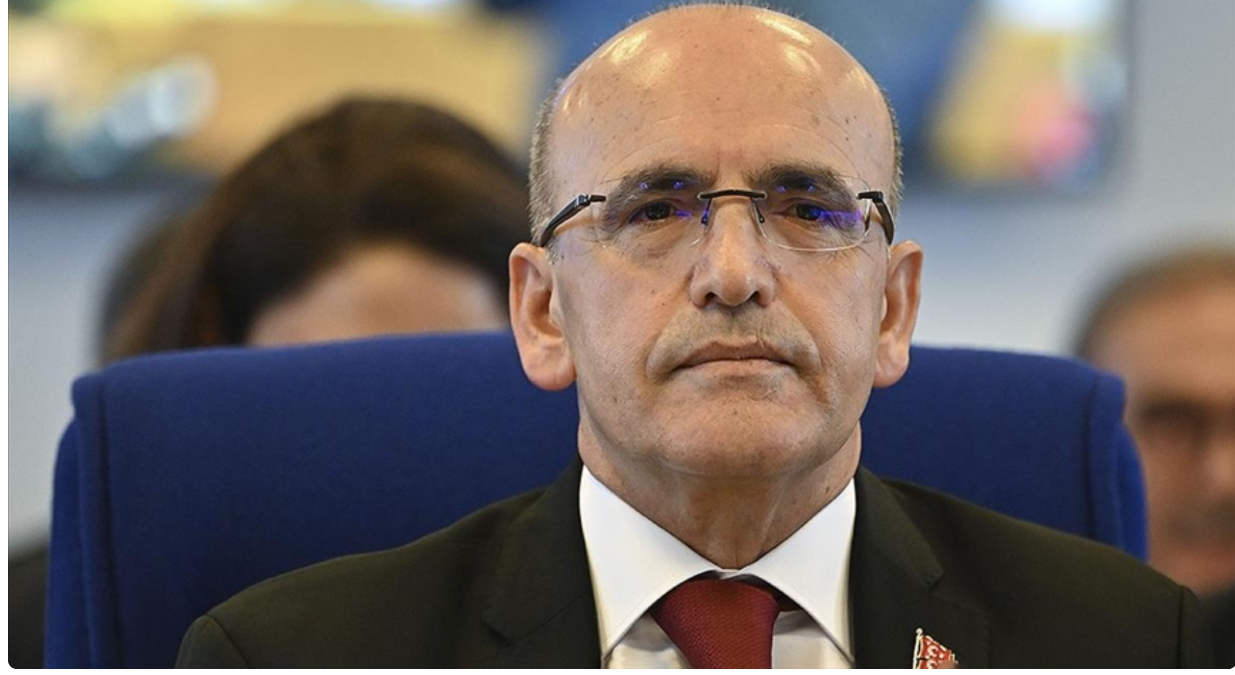
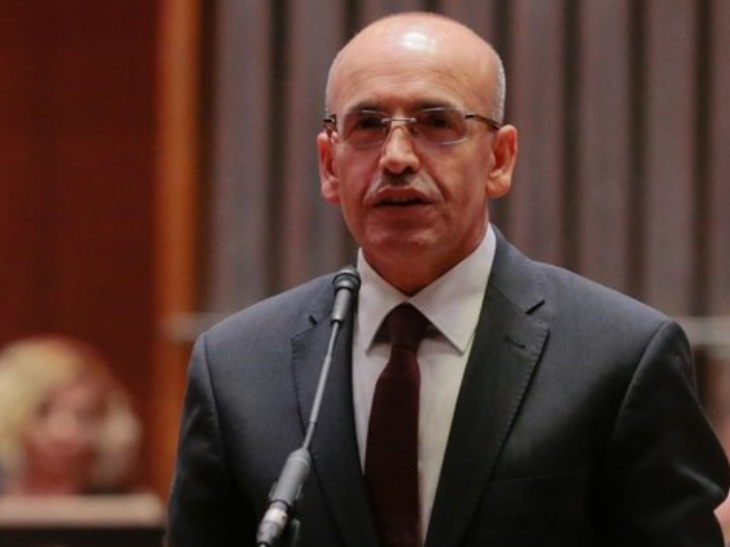
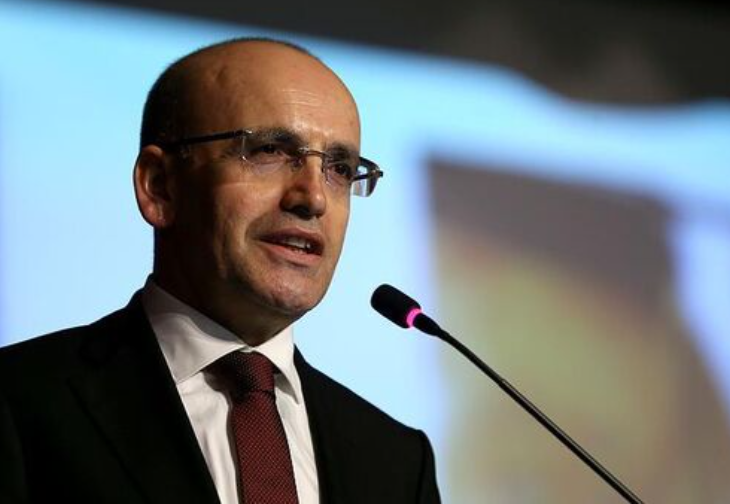
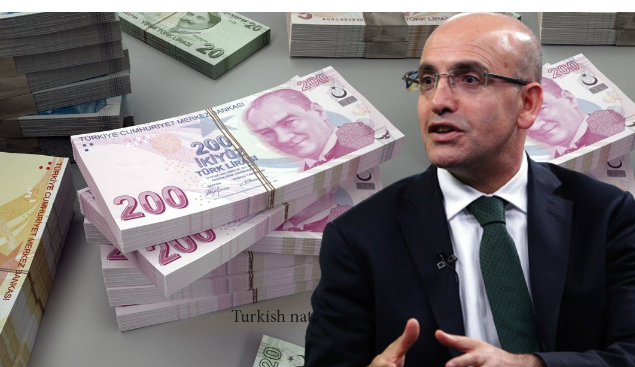
Turkey’s economic management team — led by Finance Minister Mehmet Şimşek — has been trying to restore investor confidence through orthodox monetary policy and regulatory tightening. Şimşek celebrated Turkey’s exit from the grey list earlier this year, posting “We did it”.
The upcoming visit will test whether that progress is durable.
What happens next?
During the November inspection, FATF delegates will:
-
Review suspicious transaction reporting systems,
-
Evaluate enforcement in real cases,
-
Conduct interviews with banks, payment institutions, and companies subject to AML rules.
After the visit, the delegation will prepare a detailed report, including recommendations and additional corrective actions, if necessary.
The outcome could influence:
-
Investor sentiment,
-
Turkey’s sovereign borrowing costs,
-
The trajectory of foreign capital inflows in 2025.
PA Turkey intends to inform Turkey watchers with diverse views and opinions. Articles on our website may not necessarily represent the view of our editorial board or count as endorsement.
Follow our English language YouTube @ REAL TURKEY and Twitter @AtillaEng.