Şimşek acknowledges cost-of-living crisis and rejects tax amnesty requests
 mehmet simsek1
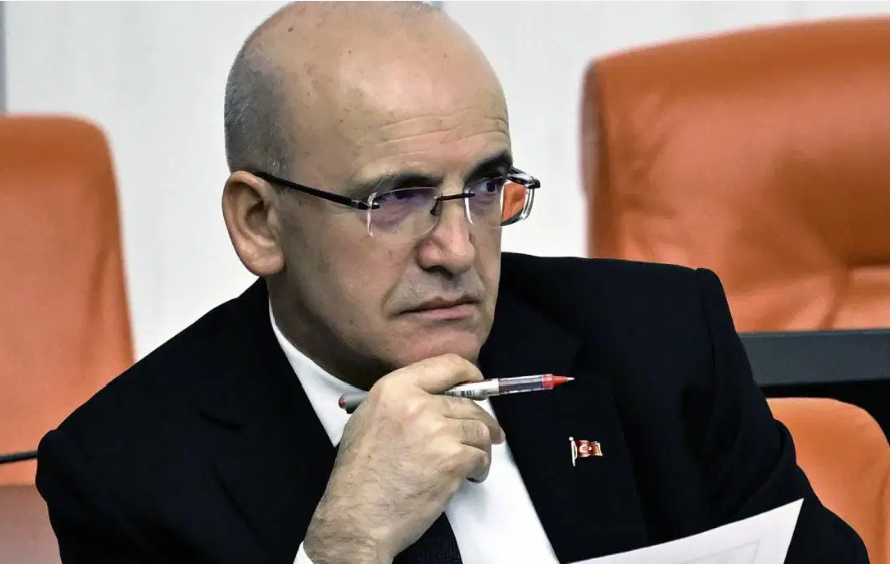
Speaking during the Turkish Parliament’s budget deliberations, Finance and Treasury Minister Mehmet Şimşek publicly acknowledged the severity of Turkey’s cost-of-living crisis and challenges faced by the real sector. Şimşek rejected calls from ruling party lawmakers for a new tax amnesty, admitted forecasting errors on corporate tax revenues, and dismissed rumors about his health or plans to resign. He also said Turkey’s recent economic program carries “side effects,” but stressed commitment to fiscal discipline and reform.
Minister faces heated debate during budget session
Mehmet Şimşek presented his ministry’s 2026 budget at the Parliament’s Planning and Budget Commission, where both government and opposition MPs challenged his policies.
During his presentation, Şimşek argued that contrary to public belief, Turkey’s total tax burden is not high when compared to international benchmarks.
However, his comments triggered immediate pushback — including from ruling coalition MPs.
MHP and CHP question tax burden and historical references
MHP MP Mustafa Kalaycı said the low tax-to-GDP ratio stemmed from widespread tax evasion and informality.
Later, AK Party MP Mehmet Baykan defended Şimşek’s efforts and referenced past shortages such as “rationed bread periods,” prompting strong reactions from CHP lawmakers. They accused the ruling alliance of using distant historical events to justify current economic failures.
CHP MP Cavit Arı responded: “Aren’t you ashamed to talk about something from 70 years ago?”
CHP MP Vehbi Bakırlıoğlu added: “What is your problem with the Republic?”
The debate escalated to the point where the session was temporarily suspended.
Ruling party MPs request tax amnesty — Şimşek firmly rejects
Despite ongoing fiscal tightening, several AK Party MPs demanded relief for businesses struggling to pay their tax and social security debts.
Şimşek drew a clear line:
“General tax amnesties harm tax discipline. We do not intend to reward those who do not pay on time.”
He stressed that restructuring is available only to those who can prove financial distress through their balance sheets, adding that a broad-based tax amnesty is “not on the government’s agenda.”
Reel sector under strain; thousands of companies seek concordat
Acknowledging the economic slowdown, Şimşek admitted difficulties in labor-intensive industries:
“There are real challenges in textiles, furniture, leather, apparel and footwear. It would be wrong to deny this.”
He disclosed new data for the past 2.5 years:
-
4,567 companies applied for concordat (formal restructuring)
-
Their share in:
-
Exports: 0.85%
-
Turnover: 0.89%
-
Employment: 0.73%
-
Şimşek said the economic program has “side effects,” but is necessary to restore balance.
CHP’s Karatepe slams CBRT: “You force the poorest to pay the highest interest rates”
Minister: “We have no crystal ball”
Responding to Vice President Cevdet Yılmaz — who blamed forecasting errors on bureaucrats — Şimşek accepted responsibility for the miscalculation on corporate tax revenues caused by inflation accounting.
“I take responsibility. I do not have a crystal ball for next year — neither do you.”
Cost-of-living crisis: “Yes, life is expensive”
Despite defending the government’s economic program, Şimşek delivered an unusually frank admission:
“Turkey is getting richer, workers’ incomes are increasing.
But yes — there is a cost-of-living problem. And we are working to solve it.”
Resignation and health rumors dismissed
Şimşek rejected claims that he has a chronic illness or that he requested to leave his post:
“I have no illness. And I have never asked to step aside.
This is public service — almost like compulsory military service.”
He emphasized that President Erdoğan fully supports the economic program, arguing it would be impossible to implement without strong political backing.
Opposition motions rejected, limited agreement on agriculture
Opposition parties proposed:
-
Increasing the minimum pension to TRY 46,000
-
Cancelling small business debts up to TRY 400,000
-
Covering agricultural producers’ debts up to TRY 600,000
All were rejected by ruling party votes.
However, a joint cross-party motion to allocate TRY 50 billion for agricultural financing was approved unanimously.