



Turkey resists U.S. pressure to scrap Russian S-400s, explores limited-use compromise
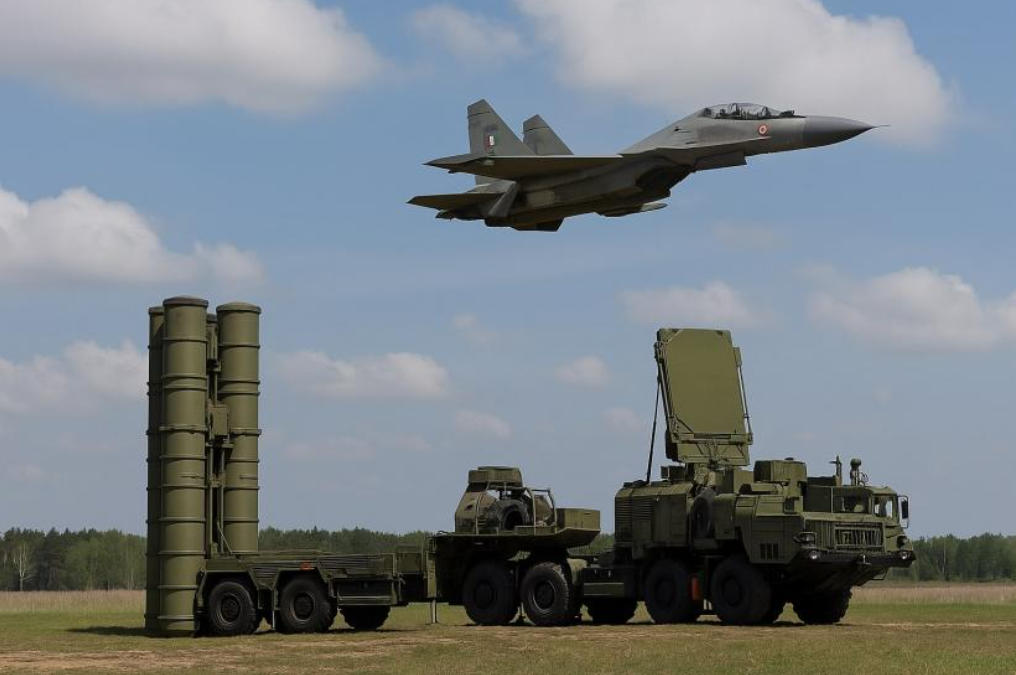 s400
s400
Turkey has rejected a full U.S. demand to dismantle or scrap its Russian-made S-400 air defense systems, instead proposing a limited-use model and technical coordination mechanism that would allow the NATO ally to keep the missile system while reducing Washington’s security concerns. The move underscores Ankara’s ongoing balancing act between Washington and Moscow as it seeks to assert independence in defense procurement without facing new sanctions.
Ankara rejects full dismantling but signals willingness to compromise
Turkey has declined Washington’s request for the complete deactivation or removal of its Russian S-400 air defense systems, according to senior Turkish officials cited by Bloomberg.
Instead, Ankara has floated a compromise: restricted operational use of the S-400s and some level of technical coordination with U.S. defense systems.
In the proposal shared with U.S. counterparts, Turkey is reportedly exploring:
-
A special operational mechanism limiting radar activation.
-
Preventing the system from being integrated into sensitive NATO networks.
-
Possible coordination or parallel operation with U.S.-approved technologies.
This is the first time Ankara has indicated willingness to negotiate operational constraints — but it is stopping short of the U.S. demand for complete removal.
A Turkish official familiar with the talks summarized Ankara’s position as:
“We will not give up our sovereign defense assets, but we are open to technical solutions that address NATO’s concerns.”
Background: S-400 purchase triggered the deepest rift in Turkey–U.S. ties in decades
Turkey purchased the S-400 from Russia in 2017 and began receiving the systems in 2019 — a decision Washington denounced as incompatible with the F-35 stealth fighter program.
As a result:
-
Turkey was expelled from the F-35 program.
-
The U.S. imposed CAATSA sanctions on Turkey’s defense procurement agency.
-
Bilateral defense cooperation was pushed to the lowest point in years.
The U.S. argues that S-400 radar systems could compromise sensitive data on NATO aircraft, especially the F-35.
Turkey rejects that claim, insisting that:
“The S-400 is purely a national defense decision and will not be integrated into NATO systems.”
Washington’s demand: declare the S-400 “inoperable”
According to earlier reporting from October, the U.S. proposal included a request that Turkey:
-
Officially declare the S-400 systems non-operational,
-
or remove them from Turkish territory altogether.
The U.S. also reportedly offered various incentives, including restarted defense-industrial dialogue and potential re-engagement on F-35-related technologies — but not the return of Turkey to the F-35 program itself.
So far, Ankara has not accepted either idea.
Turkey’s new proposal: operating Russian and U.S. systems side-by-side
Sources told Bloomberg that Ankara is now evaluating a mechanism for selective or joint use:
Limited activation of S-400 batteries under strict rules
Coordination with U.S.-provided systems
The model remains highly controversial within NATO, but Turkish officials say it satisfies two strategic goals:
-
Protecting national sovereignty in defense procurement
-
Reducing security risks that Washington argues threaten NATO interoperability
Analysts note that this represents a shift in tone: Ankara is not backing down but is signaling flexibility for the first time since the crisis erupted.
A calculated balancing act between Moscow and Washington
Turkey remains one of the few NATO countries maintaining open channels with both Russia and the United States — particularly due to its geopolitical centrality in the Black Sea, Ukraine war diplomacy, and energy routes.
Defense analysts say Ankara’s refusal to abandon the S-400 outright reflects:
-
Desire for autonomy in defense procurement
-
Strategic hedging between two global powers
-
A bargaining tool in broader U.S.-Turkey negotiations
Political science researcher Senem Aydın Weser explains the dynamic:
“Turkey wants to show Washington that it has alternatives — without alienating the U.S. to the point of strategic rupture.”
What Ankara gains by not surrendering the S-400s
Keeping the S-400s — even in limited capacity — gives Turkey:
-
A long-range air defense capability it did not have before
-
A leverage point in future defense negotiations
-
A signaling mechanism to Russia that Ankara remains an independent actor
Turkey has repeatedly said it bought the S-400 because NATO allies refused to sell equivalent systems on acceptable terms.
As Defense Minister Yaşar Güler has stated in the past:
“No country can dictate Turkey’s defense choices.”
What’s next: risk of further sanctions or reset?
U.S. policy under the current administration has been consistent:
No normalization until the S-400 issue is resolved.
However, Turkey now holds leverage on several fronts:
-
Finland and Sweden’s NATO membership
-
Ukraine–Russia Black Sea grain corridor diplomacy
-
U.S.–Turkey cooperation in Syria
Washington will have to decide whether pushing harder risks losing Ankara to Moscow, or whether a limited compromise can preserve NATO unity.
Related articles
Türkiye–US Relations at a Crossroads Ahead of Trump’s Visit

With F-16 order, Turko-American relations reach a most delicate juncture
Trump Praises Erdoğan for Role in Hamas Talks: “He’s a Tough Guy, But a Friend”