Minister Şimşek Defends Tax Fairness: ‘Reduced Burden on Low Income Families’
 mehmet-simsek
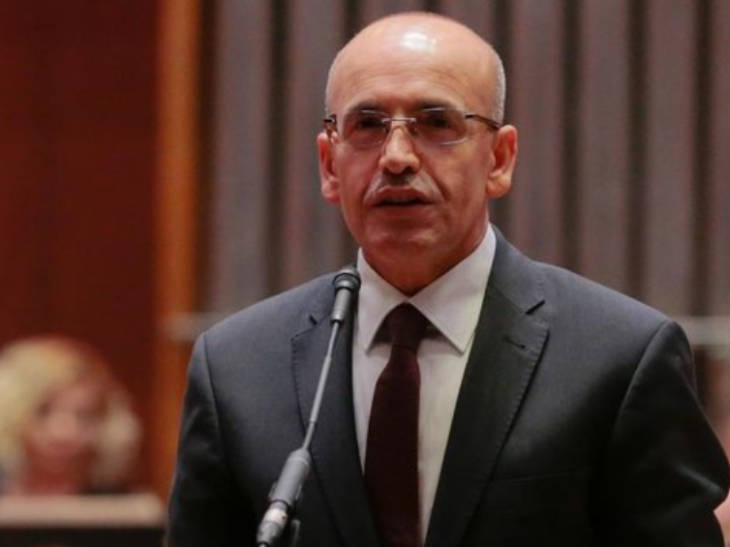
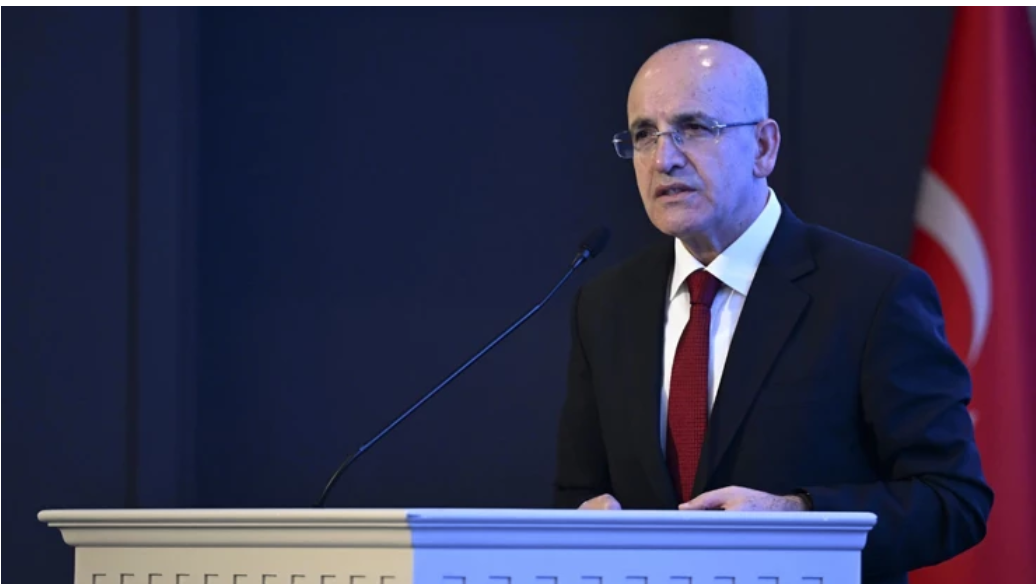
ANKARA – Turkish Minister of Treasury and Finance, Mehmet Şimşek, defended the government’s tax policies as “fair” during his presentation of the 2026 Ministry budget to the Grand National Assembly of Turkey (TBMM) Planning and Budget Commission.
Minister Şimşek argued that recent regulations have successfully reduced the tax burden on fixed-income citizens while simultaneously increasing tax rates for high earners. His presentation, however, drew strong reaction from opposition lawmakers in the Commission.
He also contested the common perception of high taxation in Turkey: “Contrary to popular belief, our tax burden is not high in international comparisons. We are the fifth lowest country with a tax burden of 23.5%, which is well below the OECD average.”
📉 Fiscal Discipline and Budget Targets
Şimşek outlined the government’s progress on fiscal consolidation and budget targets:
- Budget Deficit: The budget deficit-to-GDP ratio is projected to fall from 5.1% in 2023 to 4.7% in 2024, with a target of 3.6% in 2025.
- Revision: The Minister noted that an upward revision for the 2025 budget deficit target (originally 3.1% in the Medium-Term Programme (OVP)) was necessary because some tax revenues fell short of expectations.
- Spending: He reaffirmed the commitment to a “strict stance” on spending, indicating that actual expenditures are expected to be below appropriations.
The Minister also mentioned that the non-interest deficit and borrowing needs significantly increased during the 2023-2025 period due to earthquake-related expenditures. Consequently, the ratio of interest expenses to GDP is anticipated to be 3.3% in 2025 and 3.5% in 2026.
⚖️ Details of Tax Justice Measures
Şimşek elaborated on the steps taken to bolster “tax justice” by shifting the load:
- Corporate Tax: The general Corporate Tax rate was increased to 25%.
- Bank & Financial Institutions Tax: This rate was further increased by an additional 10 percentage points for banks and financial institutions.
- Tax Exemptions: Measures aimed at reducing tax exemptions and immunities are expected to lower the ratio of tax expenditures to GDP from an estimated 5.1% in 2025 to 4.7% in 2026, and 4.1% by the end of the OVP period.
- Direct Tax Share: The Ministry aims to increase the share of direct taxes in total tax revenues from 34.5% in 2023 to a target of 38.3% in 2026, providing approximately ₺520 billion in additional revenue.
🎯 New Policy: Tax Hikes Tied to Inflation Targets
A significant announcement from Şimşek concerned the annual increase in taxes and fees:
“It is on our agenda that the update of taxes and fees may be made lower than the revaluation rate, taking into account inflation targets and within the limits of budget capabilities.”
This adjustment aims to support the disinflation process and keep pricing behavior in line with the government’s official inflation targets.
📈 Economic Progress and Stability
Minister Şimşek highlighted several signs of economic improvement and stability:
- Reserves and KKM: Gross reserves have increased by $87 billion since May 2023, with net reserves (excluding swaps) up by $112.6 billion. The exit from the FX-Protected Deposit Scheme (KKM) is being successfully managed, targeting below ₺5 billion by year-end.
- Current Account: The Current Account Deficit to GDP ratio has significantly improved, dropping from 5% in mid-2023 to 0.8% in 2024 and is “no longer a source of concern.”
- Risk Premium: Turkey’s Credit Default Swaps (CDS) have dropped from around 700 basis points (bp) before the programme to below 250 bp, leading to a noticeable reduction in public and private sector borrowing costs.
- Disinflation: The annual Consumer Price Index (CPI) stood at 32.9% in October (a 15.7 percentage point drop year-on-year), indicating that the disinflation process is continuing, supported by tight monetary and supportive fiscal policy.
💰 2026 Budget Proposal and Supports
The total proposed budget for the Ministry of Treasury and Finance for 2026 is ₺8.84 trillion, with an interest-exclusive expenditure of ₺6.1 trillion.
The Minister also detailed key support packages:
- Employment Support: Monthly premium support of ₺2,500 per employee is provided to businesses that protect employment, particularly in labor-intensive manufacturing.
- Agricultural Support: A total of ₺626 billion is allocated for agricultural credit support, agricultural State Economic Enterprises (SEEs), and export incentives.