Fitch Ratings: Turkish Bank Profitability Set for 2026 Boost on Rate Cuts and External Access
 fitch
fitch
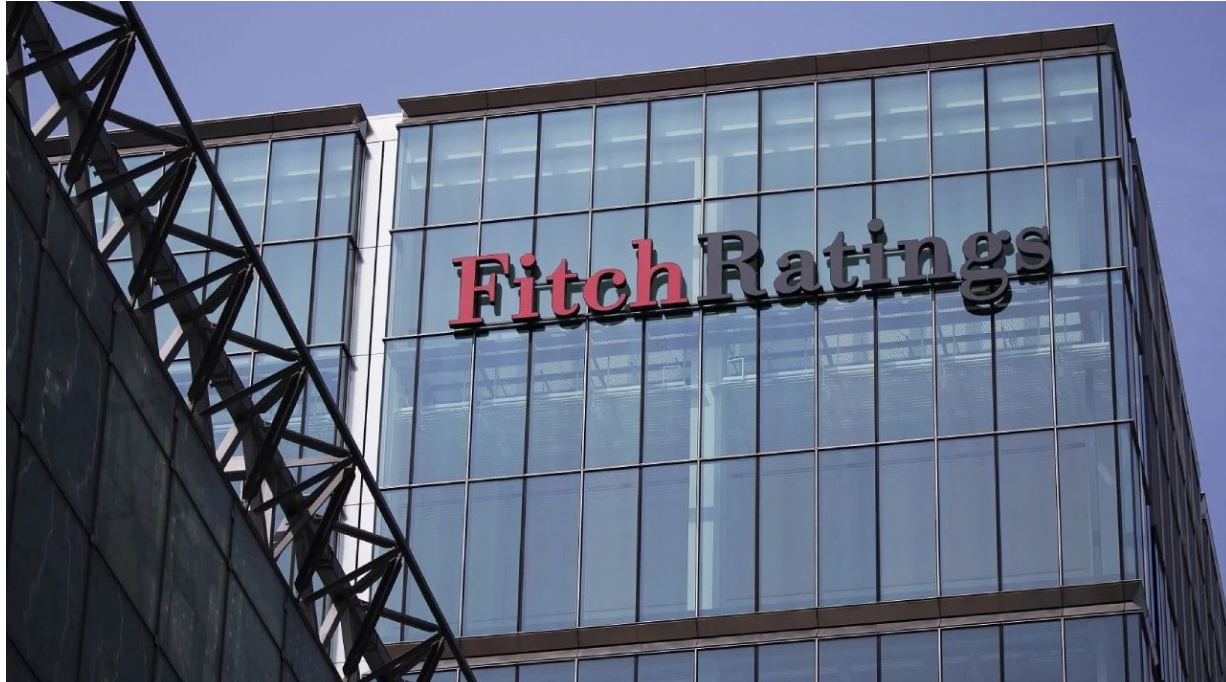
ISTANBUL – Global credit rating agency Fitch Ratings expects Turkish bank profitability to see a notable improvement in 2026, primarily driven by the anticipated commencement of interest rate cuts.
Speaking at the “Fitch Turkey Event” in Istanbul, which convened senior analysts from the agency’s Sovereign, Corporates, Financial Institutions, and Sustainable Finance teams, Ahmet Emre Kılınç, Fitch Ratings Bank Director, stated: “We project that bank profitability next year will be relatively better than this year. We have observed many banks issuing bonds, which indicates access to external markets.”
The director specifically pointed out that the beginning of the monetary easing cycle will be a key factor supporting the banks’ bottom lines.
📈 Strong Capital Buffers and Policy Continuity
Kılınç highlighted that policy continuity, especially in monetary policy, is the most crucial criterion underpinning the bank ratings. He noted that Fitch recently took a “score” action to elevate the operating environment score for Turkish banks from one notch below the sovereign rating to the same level.
Focusing on the banks’ resilience, Kılınç affirmed the adequacy of their capital. “When we look at banks in Turkey, capital adequacy, for example, is sufficient according to us. The CET1 (Common Equity Tier 1) or core capital ratio is around 14-14.5%. We consider this to be adequate,” he explained. Furthermore, several recent bank issuances, often denominated in foreign currency, serve to bolster total capital adequacy and provide a hedge against potential foreign currency risks.
📉 Asset Quality and Manageable Non-Performing Loans (NPLs)
While acknowledging a slight uptick in the Non-Performing Loan (NPL) ratio within banks’ asset quality, Kılınç stressed that this aligns with Fitch’s expected scenario.
He maintained an optimistic view on asset quality management: “We believe that bank provisions are generally sufficient, and NPLs, despite the increase in the active quality ratio, are at a manageable level.” He also noted that declining interest rates could provide some relief on asset quality, which is often negatively impacted by periods of high rates.
🌍 Sustained Access to External Markets
Another vital factor cited by the Fitch Director is the continued access of Turkish banks to international markets.
“We have seen many banks issuing bonds. This demonstrates access to external markets, which, from our perspective, indicates a reduction in refinancing risks,” Kılınç commented. While acknowledging persistent risks—such as the still-high level of foreign currency deposits and elevated short-term foreign debt—he concluded that the ongoing external market access helps mitigate these concerns.
Prominent Economist Mahfi Eğilmez Warns CBRT to Revise Inflation Forecast Range
✨ Key Takeaways for 2026
According to Fitch Ratings Bank Director Kılınç, the continued reduction in the policy interest rate in 2026 will have two primary positive impacts:
- Net Interest Margin (NIM): The first positive effect will be on banks’ net interest margins.
- Asset Quality: Lower rates will also help ease pressure on asset quality.
Kılınç concluded with a cautionary note, emphasizing the importance of monitoring macroeconomic stability and the $240 billion foreign currency deposit pool, which is highly sensitive to exchange rate expectations as interest rates begin to fall.