Russia and Turkey Negotiate Renewal of Major Gas Deals, Aiming to Maintain Flows
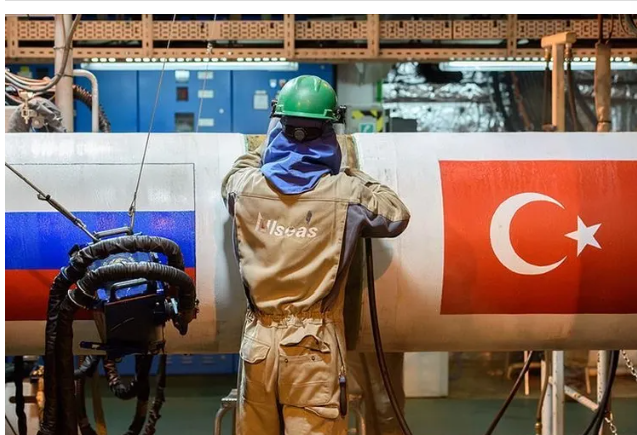 tr rusya dogal gaz
Moscow Seeks to Preserve Key Lifeline as Ankara Diversifies Supplies Amid US Pressure and Domestic Output Growth
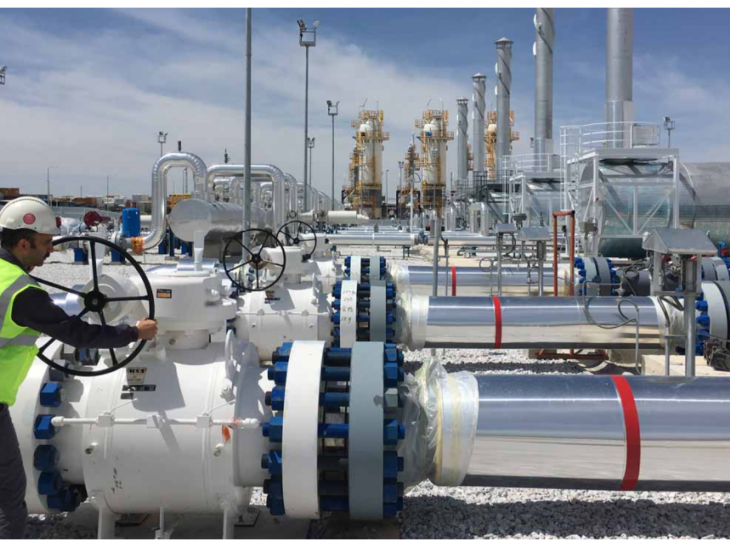
ANKARA/MOSCOW – Russia and Turkey are currently in talks to renew two significant pipeline gas supply contracts set to expire on December 31, with negotiations focused on maintaining the current substantial volume of supplies, according to sources familiar with the matter.
The deals, signed between Russia’s gas giant Gazprom PJSC and Turkey’s state pipeline operator BOTAŞ, cover combined annual deliveries of up to 21.75 billion cubic meters (bcm). Sources indicate that both parties are negotiating to keep the annual flow at approximately 22 bcm.
These volumes are critical for Gazprom, as Turkey serves as the second-largest buyer of Russian pipeline gas after China. Last year, Gazprom shipped 21.6 bcm to Turkey, providing a crucial revenue stream after the company effectively lost the major European gas market following the war in Ukraine.
geopolitics, Sanctions, and Diversification
The contract negotiations take place amid growing geopolitical complications. The administration of US President Donald Trump has been increasing pressure on Ankara to curb energy purchases that provide crucial funding for the Kremlin.
This pressure appears to be influencing Turkey’s import mix:
- Oil Imports Reduced: Following recent US sanctions targeting Russia’s biggest oil producers, Turkish oil refiners have already begun cutting imports of Russian crude oil.
- LNG Diversification: Turkey, historically reliant on long-term pipeline contracts, has recently accelerated its efforts to diversify sources. In September, Ankara secured a string of new contracts to buy Liquefied Natural Gas (LNG), including shipments from the United States.
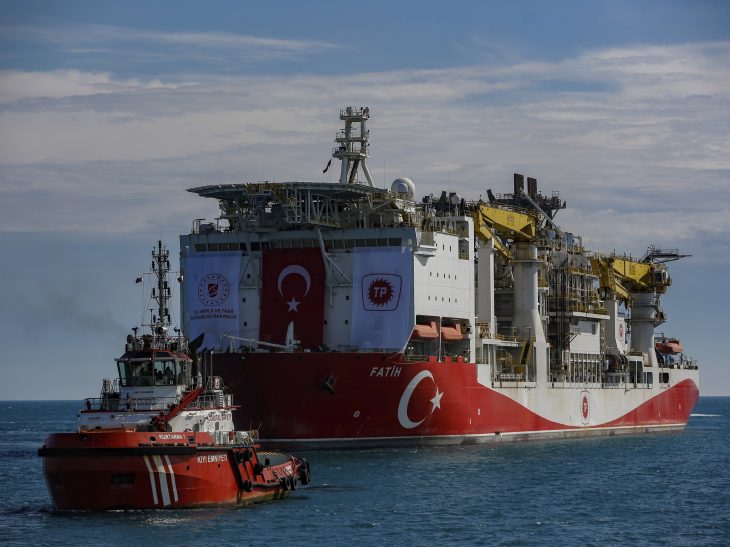
Market watchers suggest that Turkey’s move toward diversification and its own growing natural gas production from the Black Sea—which is set to increase substantially—could put it in a stronger bargaining position, potentially giving it leverage to negotiate discounts in the pipeline supply deal renewal.
⛽ A Pivotal Market for Gazprom
Turkey, the fourth-largest gas market in Europe, is almost entirely dependent on imports, traditionally relying on Russia, Iran, and Azerbaijan for the bulk of its piped gas.
While Turkey has previously resisted Western attempts to halt its Russian gas purchases, the recent LNG deals and the cutbacks on crude oil signal a strategic adjustment. For Gazprom, maintaining stable flows to Turkey is paramount. By comparison, Russian gas shipments via the Ukrainian route to Europe—which ceased early on January 1—amounted to over 15 bcm per year. Preserving the 22 bcm flow to Turkey remains vital for propping up Gazprom’s financial results and offsetting major losses in the European market.
A final agreement on the renewal terms is expected before the end of the year, with markets closely watching whether the geopolitical climate will force changes to the commercial terms of one of Russia’s most important remaining pipeline markets.