Germany Bans Islamist Group ‘Muslim Interaktiv’ in Nationwide Caliphate Crackdown
 Islam interactiv
BERLIN – Wednesday, November 5, 2025
German authorities delivered a decisive blow against political Islamism on Wednesday, announcing an outright ban on the association Muslim Interaktiv (MI) and initiating nationwide raids against two other affiliated groups. The move is part of an aggressive security strategy to dismantle organisations that actively campaign against Germany’s democratic principles, promote antisemitism, and call for the establishment of a theocratic caliphate on German soil.
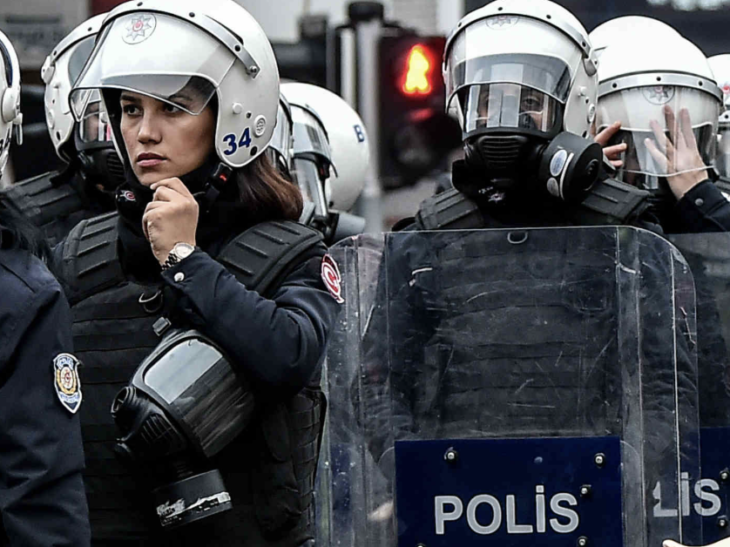
The Federal Ministry of the Interior confirmed that Muslim Interaktiv was officially disbanded, its assets were immediately confiscated, and its online presence was taken down. Simultaneously, hundreds of police officers executed search warrants at 19 properties across three federal states as part of preliminary investigations targeting two other organisations, Generation Islam and Realitaet Islam, which are suspected of operating within the same ideological network.
Unyielding Response to Anti-Constitutionalism
Interior Minister Alexander Dobrindt issued a strongly worded statement underscoring the government’s zero-tolerance policy against extremist ideologies.
“We will respond with the full force of the law to anyone who aggressively calls for a caliphate on our streets, incites hatred against the state of Israel and Jews in an intolerable manner, and despises the rights of women and minorities,” Minister Dobrindt said. “We will not allow organisations such as Muslim Interaktiv to undermine our free society with their hatred, despise our democracy, and attack our country from within.”
The Minister’s remarks highlight the primary threat identified by the German domestic intelligence services (Verfassungsschutz): a concerted effort to propagate an ideology where Islamic law (Sharia) is promoted as the sole model for social order, intended to take precedence over the country’s liberal, democratic framework. Authorities specifically noted that the group demonstrated an active and fundamental opposition to gender equality and the freedom of sexual orientation and gender identity, viewing such intolerance as incompatible with human rights and the German constitution.
The Rise and Fall of ‘TikTok Islamism’
Founded in 2020 and primarily based in Hamburg, Muslim Interaktiv gained national notoriety earlier this year following a large demonstration that drew over 1,000 attendees. The event, which included the display of signs bearing slogans like “The Caliphate is the Solution,” ignited a fierce national debate on the limits of free assembly and the rising threat of political Islamism.
According to the German security agencies, what made Muslim Interaktiv a particular threat was its sophisticated strategy and modern approach. Hamburg’s Interior State Minister, Andy Grote, praised the ban as a decisive blow against what he described as “modern TikTok Islamism.”
MI skillfully leveraged social media platforms like TikTok, Instagram, and YouTube to reach and radicalise young Muslims, often those who may already feel alienated or discriminated against within Germany’s majority-Christian society. By addressing relevant social issues and reframing them through an Islamist lens, the group sought to indoctrinate a new generation, creating what the government called “permanent enemies of the constitution” and continuously seeking to undermine the democratic order. By dismantling their well-funded media apparatus and confiscating assets, the authorities aim to cut off the group’s ability to recruit and mobilise.
Coordinated Raids Target Affiliates
The ban on Muslim Interaktiv was immediately accompanied by widespread search operations targeting suspected associates. Seven properties in the northern port city of Hamburg and an additional 12 premises across Berlin and the central state of Hesse were searched in connection with ongoing investigations into the two affiliated groups: Generation Islam and Realitaet Islam.
While Muslim Interaktiv was the main target of Wednesday’s action, the investigation into Generation Islam and Realitaet Islam signals a broader crackdown on a specific ideological current. Security experts believe these groups function as successor organisations or front groups for the global, pan-Islamist political organisation Hizb ut-Tahrir (HuT). HuT, which was formally banned in Germany in 2003, also seeks to establish a global caliphate and views democracy as fundamentally incompatible with Islam. The new generation of organisations, however, learned from the ban and adapted its methodology, moving its outreach efforts almost entirely online and employing modern digital engagement tactics to evade early detection.
Broader Context of Security and Antisemitism
This decisive action against Islamist groups takes place against a backdrop of heightened security concerns in Germany. The nation, which views the security of Israel as part of its “Staatsräson” (reason of state), has seen a disturbing spike in antisemitic incidents and anti-Israel protests since the Hamas terror attacks of October 7, 2023.
The Interior Ministry stated that the newly banned group and the affiliated organisations promoted an “aggressive antisemitism,” making the crackdown a necessary measure to protect the Jewish community and uphold Germany’s core constitutional values.
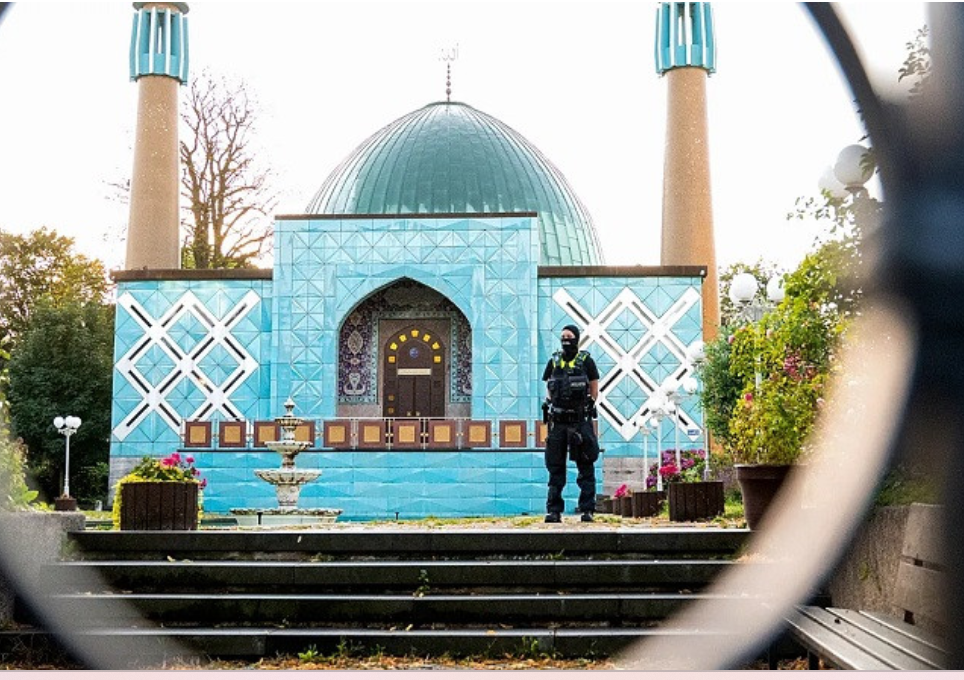
The move follows a pattern of heightened enforcement against extremism. Last year, German authorities banned the Islamic Center Hamburg (IZH), a Shiite religious association accused of propagating Iranian state ideology and supporting the terrorist group Hezbollah.
German officials have been careful to draw a distinction, stating that the action is not directed against the peaceful practice of the Muslim faith, but solely against political extremists and those who actively seek to overthrow the country’s free democratic order. The focus remains on countering totalitarian ideology, regardless of whether it originates from Islamist, far-right, or other extremist circles. This coordinated ban and the subsequent investigations underscore Berlin’s determination to proactively prevent the domestic radicalisation and mobilisation of groups deemed a direct threat to the German state.