Court Rejects Fatih Altaylı’s Appeal Against RTÜK’s YouTube Licensing Rule
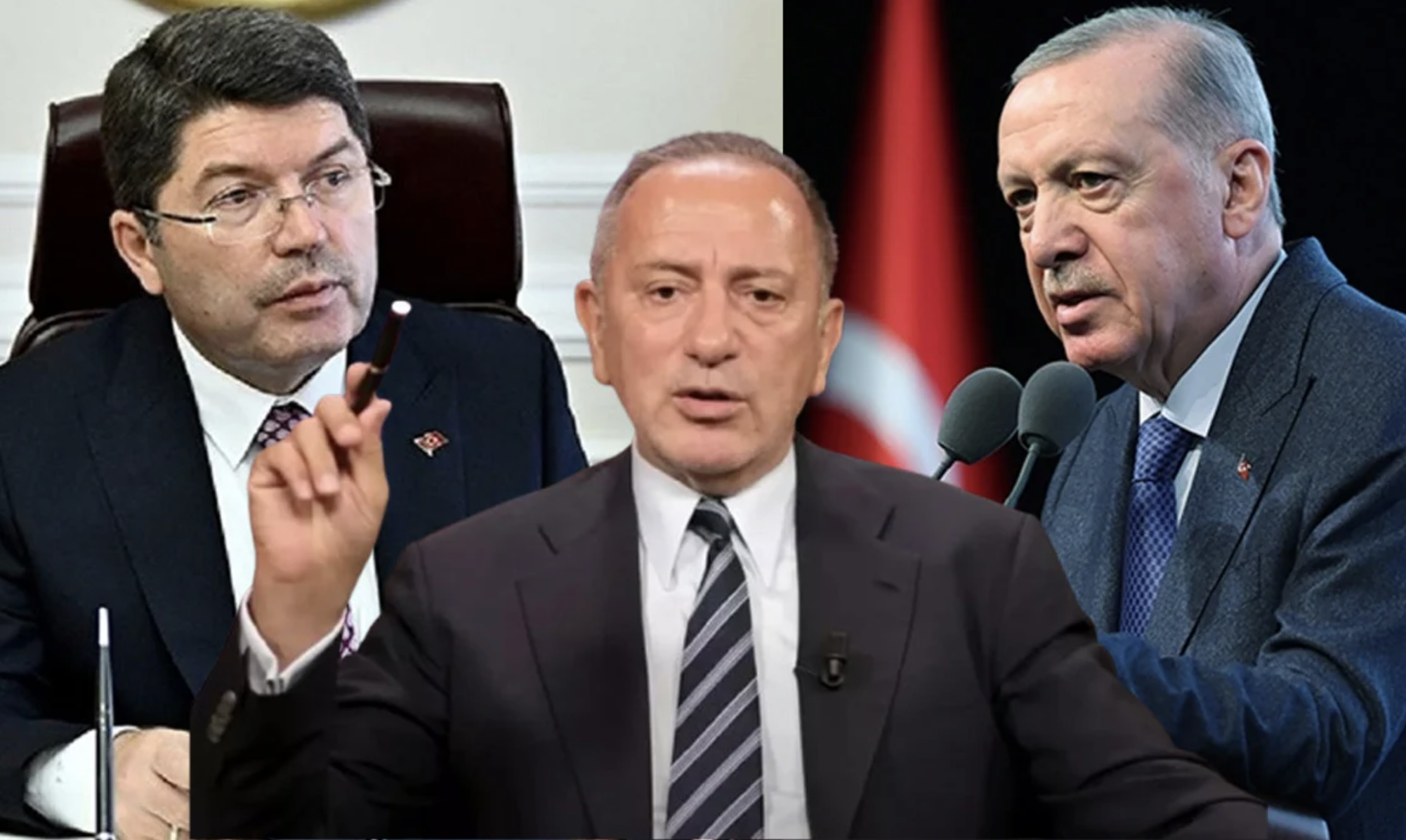 Fatih Altaylı
The Ankara 6th Administrative Court has rejected the appeal filed by imprisoned journalist Fatih Altaylı and his lawyers against the Radio and Television Supreme Council (RTÜK) decision requiring YouTube channels to obtain broadcasting licenses. The court dismissed the case on procedural grounds, without examining its merits, ruling that the complaint “cannot independently be the subject of an administrative lawsuit.”
RTÜK’s Licensing Decision Triggers Legal Challenge
The controversy dates back to March 27, when RTÜK issued a decision instructing Fatih Altaylı’s YouTube channel and Flu TV to obtain a broadcast license within 72 hours, warning that failure to do so could lead to access restrictions or penalties.
Following the directive, Altaylı and his legal team filed a lawsuit seeking annulment of the decision, arguing that RTÜK’s move extended the council’s authority beyond its legal remit and represented an infringement on freedom of expression and digital media independence.
However, the Ankara 6th Administrative Court declined to review the substance of the complaint. In its written judgment, the court said the application was procedurally inadmissible, concluding that the RTÜK notice itself could not independently form the basis of an administrative action. Consequently, the case was dismissed without a full hearing.
Broader Legal Context: RTÜK’s Expanding Internet Oversight
The ruling reignited debate around RTÜK’s 2019 regulation, which brought online streaming and digital platforms under the same licensing and supervision regime as traditional broadcasters. This regulation, criticized by media freedom organizations, requires digital platforms — including YouTube, Netflix, and independent online broadcasters — to obtain content licenses and comply with RTÜK’s broadcasting principles.
The Media and Law Studies Association (MLSA) was among the first to challenge the regulation, filing a lawsuit in 2019 seeking its annulment on grounds that it violates press freedom and freedom of expression. The case, however, remained unresolved for years.
In 2025, MLSA’s initial lawsuit was rejected, prompting the organization to appeal to the Council of State’s Administrative Litigation Chambers Board (Danıştay). The appeal is still pending.
MLSA: “Six Years, No Final Judgment”
Commenting on the ongoing legal process, MLSA Co-Director and lawyer Veysel Ok said the case highlights the sluggishness of administrative justice in media-related issues. “We were the first to file a case against the RTÜK regulation,” he stated. “For five years, no ruling was made. The case was only rejected in 2025, and we have now taken it to the Council of State for appellate review.”
Ok underscored that the continued enforcement of the 2019 regulation, despite unresolved judicial challenges, places independent digital journalists and content creators under uncertain and restrictive conditions. “The absence of clear judicial oversight allows RTÜK to expand its control over online media unchecked,” he warned.
Implications for Digital Media and Free Speech
The Altaylı case is viewed as a critical test for media regulation in Turkey’s digital era. Critics argue that applying RTÜK’s traditional broadcast licensing rules to online platforms stifles independent journalism and digital innovation, while supporters claim it ensures accountability and compliance with national broadcasting standards.
Legal experts note that the court’s decision not to engage with the constitutional and freedom-of-expression aspects of the case leaves fundamental questions unanswered. Unless higher courts intervene, RTÜK’s authority to demand licenses from digital content producers will likely remain unchallenged in practice.
The broader outcome of MLSA’s pending Council of State appeal could ultimately shape the future of digital content regulation in Turkey, determining whether YouTube broadcasters and independent creators will continue to fall under RTÜK’s expanding oversight.
Related articles
Turkish Lecturer Jailed for Alleged Insult to President While Trying to Attend Theater

YouTube Show Hosts Face 4.5-Year Prison Demand Over “Hadith Joke” Case
Turkish Worker Arrested After Protest Banner and Phone Thrown at Erdoğan Rally