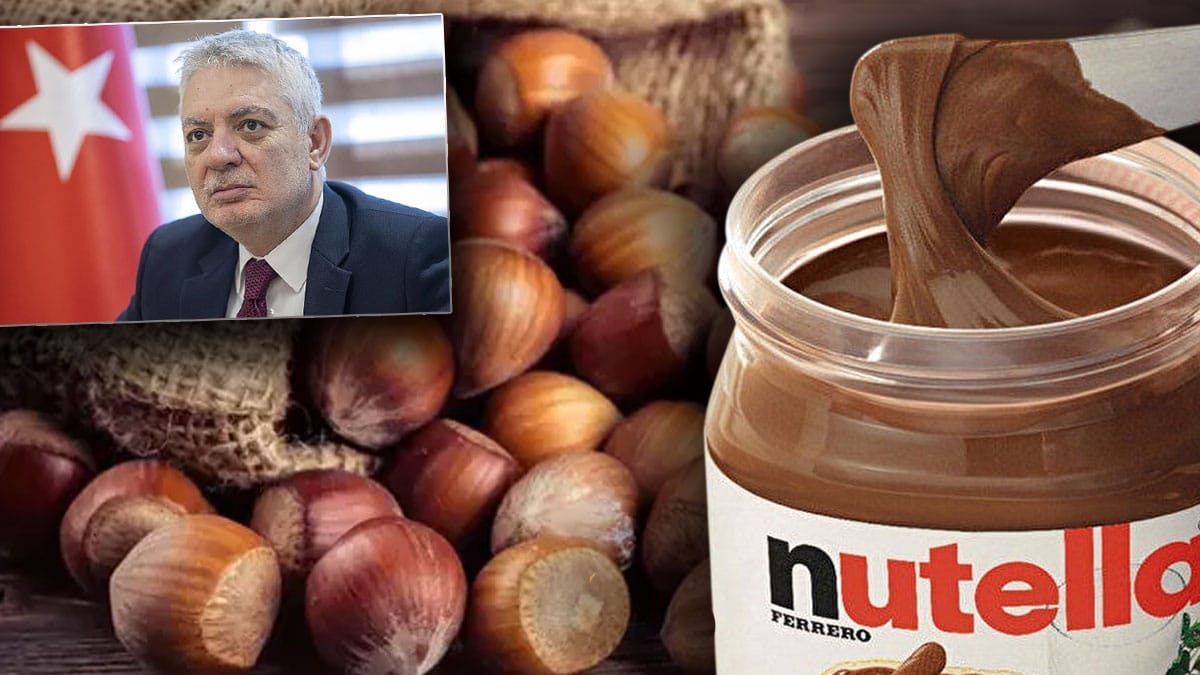
Nutella Maker Ferrero and Turkey Clash Over Hazelnut Supply
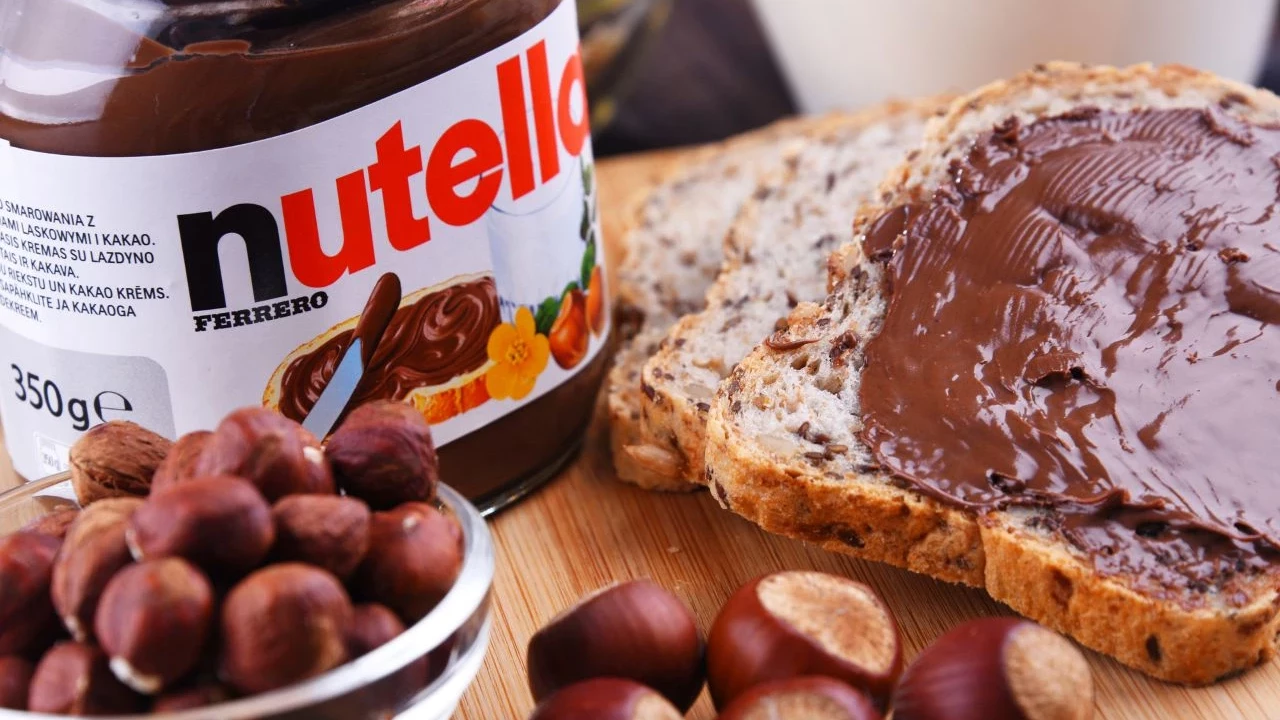 Nutella
A simmering trade dispute between Turkey, the world’s largest hazelnut producer, and Ferrero, the Italian confectionery giant behind Nutella, has captured international attention. The disagreement, centered on supply and pricing issues, was first spotlighted by the Financial Times on October 31 under the headline “Nutella maker faces off with Turkish suppliers over hazelnuts.” The report has since sparked wide coverage across major Italian newspapers, underscoring growing tensions along the Ankara–Rome axis.
Ferrero Halts Purchases Amid Supply Shock
According to the Financial Times, Ferrero has temporarily suspended hazelnut purchases from Turkey following a steep decline in production and record-high prices. The paper noted that hazelnut prices — a key ingredient in Ferrero’s spreads and chocolates — have nearly doubled due to spring frosts and insect infestations that severely damaged crops.
Marco Botta, General Manager of Ferrero Hazelnut Supply and Processing Company, told the newspaper, “Everyone is playing games. We’re in no hurry to buy.” He explained that Ferrero’s “wait-and-see” strategy is supported by the company’s diversified sourcing model, which includes suppliers from Chile and the United States.
Turkey Responds: “The Market Cannot Be Left to Manipulation”
In response, Birol Küle, head of Turkey’s Competition Authority, strongly rejected the suggestion that Turkey’s hazelnut market was speculative or unstable. “This portrayal is an injustice directed at Turkish producers,” Küle told Anadolu Agency.
He defended local farmers, saying, “Despite yield losses, farmers have continued production with great dedication. It’s only natural for producers to sell their products gradually when supply is tight. International pressure tactics are unacceptable.” Küle added that Ferrero, as a long-time player in Turkey’s market, must honor its commitments both ethically and commercially.
Italian Press: “Nutella Is Safe, but Tensions Are Rising”
Italian newspapers portrayed the dispute as a “hazelnut tsunami” shaking the confectionery sector. La Stampa, based in Piedmont — Ferrero’s home region — ran an analysis titled “Why Italy’s confectionery industry is being shaken by the hazelnut crisis.” The report linked the disruption to climate change, drought, and pest infestations, which have cut Turkey’s harvest nearly in half.
Meanwhile, La Repubblica headlined its November 2 story “Nutella keeps its distance from Turkey: Hazelnuts too expensive”, highlighting Ferrero’s multi-origin sourcing model. “Turkey, Italy, Chile, the U.S., and other countries form a diversified network that allows year-round production,” the paper noted.
Corriere della Sera echoed the same sentiment, warning that the holiday season could be particularly difficult for both consumers and farmers. In its Piedmont edition, Mauro Bianco, head of Coldiretti Piemonte, stated, “Turkey is the world’s largest producer, and Ferrero is the key price-setter. The Turkish crisis is disrupting the market.”
Market Outlook: Compromise or Realignment?
Analysts cited by Italian media suggest that an eventual compromise between Ferrero and Turkish exporters is inevitable. Corriere della Sera wrote, “The market ultimately expects reconciliation,” adding that uncertainty in Turkey’s hazelnut supply could rattle global supply chains and lead to price volatility across the confectionery industry.
However, some commentators pointed out a long-term strategic shift: Ferrero’s increasing reliance on non-Turkish suppliers may gradually diminish Turkey’s dominance in the global hazelnut trade. The company’s growing investments in the Americas, particularly in Chile and the U.S., could alter the balance of power in the sector.
Beyond a Trade Dispute: A Shift in the Global Hazelnut Market
The Ferrero–Turkey dispute underscores the fragility of global commodity supply chains amid climate risks, geopolitical sensitivities, and shifting corporate strategies. For Turkey — which controls roughly 70% of global hazelnut output — this confrontation serves as a reminder that market diversification cuts both ways: while it provides stability for buyers like Ferrero, it also reduces Turkey’s leverage over pricing.
For Ferrero, the challenge is to balance cost management and ethical sourcing without compromising production continuity. As both sides weigh their next moves, the broader question lingers: will this standoff end in renewed cooperation, or signal a long-term reshaping of the global hazelnut trade?