Mehmet Şimşek Reveals Why Turkey’s Disinflation Process Is Slowing Down
 mehmet-simsek
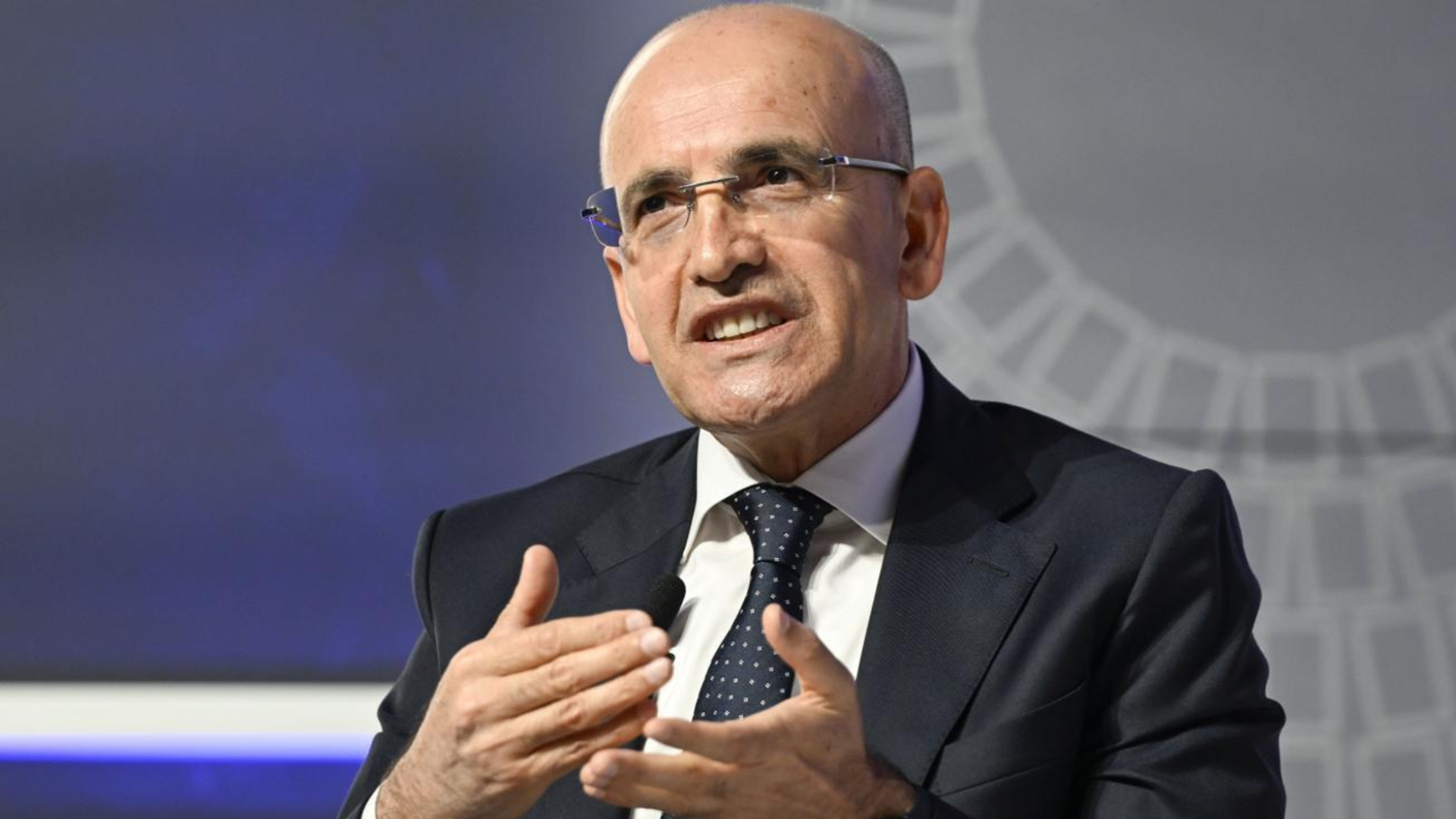
Turkey’s Finance and Treasury Minister Mehmet Şimşek has shed light on the country’s current inflation trajectory, offering a detailed look into the factors slowing the disinflation process. Speaking at the Turkey Capital Markets Congress, Şimşek emphasized that while inflation is trending downward, a temporary deceleration is both natural and expected as part of the broader economic adjustment.
During his address, Şimşek reaffirmed confidence in the government’s economic program, stating, “The program is working. There is a decline in inflation, and a one- or two-month slowdown is perfectly normal.” He noted that what matters most is not short-term fluctuations but the long-term trajectory of inflation.
Weather-Driven Setbacks in Food Prices
Şimşek identified two primary reasons behind the recent slowdown in disinflation — climate-induced agricultural shocks. “We’ve experienced drought and frost,” he explained. These weather-related disruptions have affected food supply, temporarily driving up prices and slowing the pace of overall inflation decline.
He added, “If you’re wondering why inflation will stay around 30 percent this year, the answer lies in the food shock caused by drought and frost.” According to Şimşek, such shocks are transient, and as agricultural output stabilizes, the disinflation path is expected to regain momentum.
Manipulation Crackdown: Intensifying Oversight
Beyond inflation, Şimşek turned his attention to market integrity, vowing stronger action against manipulation in the financial sector. “We know that some funds are being manipulated. We’re aware there are gaps in this area, and we will close them,” he asserted.
He announced plans to increase the intensity of anti-manipulation measures, even surpassing efforts to combat the shadow economy. “We will raise the level of manipulation enforcement above that of unregistered economic activity. As disinflation advances, markets will deepen,” he said.
Şimşek also highlighted the importance of revitalizing public offerings, noting that investor demand for high-quality IPOs remains strong. He described upcoming months as pivotal for restarting a new wave of robust public listings. “Strong public offerings are essential, and there is broad agreement on this issue,” he noted.
Price Stability as the Core Objective
Reiterating his core economic philosophy, Şimşek stated unequivocally that price stability remains the government’s top priority. “Price stability is our greatest focus, and we are making progress,” he declared.
He also pointed to structural transformation as a cornerstone of Turkey’s medium-term economic vision. “In 2026 and beyond, we will take significant steps in structural reforms. Next year, we will enter the phase where the transformation elements of the program begin to take effect,” Şimşek said.
These remarks align with the administration’s broader agenda of sustainable growth through disciplined fiscal policies and market reforms. By tackling inflation through both monetary and structural channels, Şimşek’s approach aims to anchor expectations and enhance investor confidence.
A Strategic Balancing Act
Analysts interpret Şimşek’s comments as a sign of policy continuity, balancing short-term inflation management with long-term market development. The acknowledgment of natural fluctuations in disinflation reflects a pragmatic stance, aligning with global economic realities where climate events and supply shocks increasingly influence inflation dynamics.
The Turkish economy, which has faced persistent price pressures in recent years, is now navigating a complex recovery path. By combining tight fiscal discipline, regulatory strengthening, and market transparency, the government seeks to solidify its credibility both domestically and abroad.
In sum, Mehmet Şimşek’s latest statements underscore a measured yet determined strategy: accepting short-term turbulence in favor of lasting economic stability. As he puts it, the critical question is not whether inflation dips slightly in the coming months, but “where the trend is heading”—and for Şimşek, that direction is clearly downward.
Related articles

Turkey’s October Inflation: Historical Patterns Point to Persistent Price Pressure
Eşel Mobil System Reintroduced by Minister Şimşek

Turkey’s New Tax Reform Law: Revenue Targets, UEFA Breaks, and the Burden on Citizens