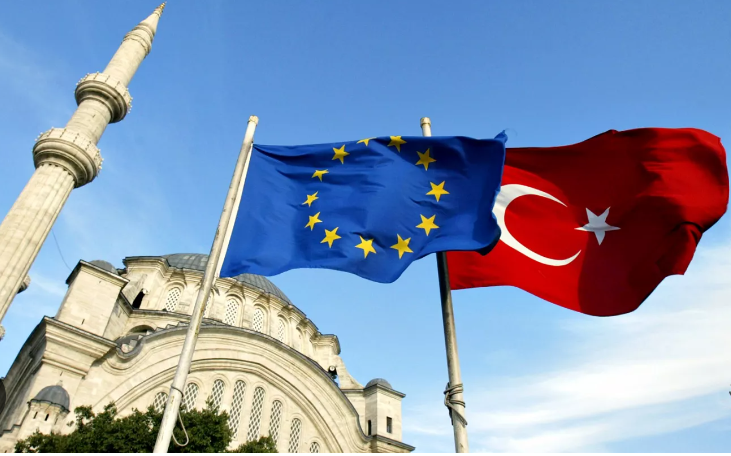
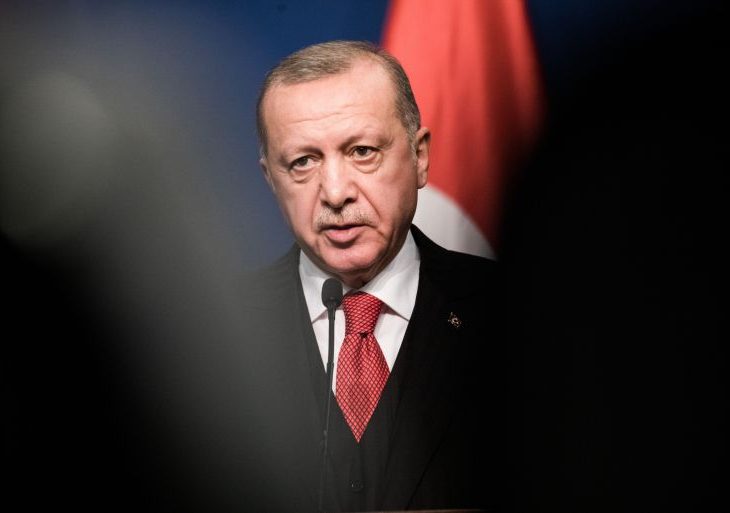
EU Report Criticizes Democracy, Human Rights, and Rule of Law in Turkey
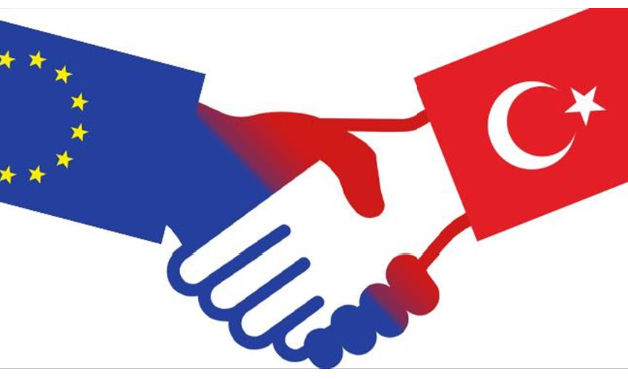 tr eu
tr eu
Turkey’s Foreign Ministry has sharply rejected the European Commission’s latest annual country report, which highlights serious democratic backsliding and deterioration in human rights and judicial independence. Ankara argues the assessment is “biased, prejudiced and baseless,” and claims the language used in the report contradicts efforts to rebuild positive relations between Turkey and the European Union.
Ankara: “Biased, Unfounded, and Inconsistent With Positive Agenda”
Turkey’s Foreign Ministry has issued a formal response to the European Commission’s annual Türkiye Report, released on November 4, stating that Ankara “rejects” the report’s conclusions regarding the judiciary, political developments and fundamental rights.
The Ministry accused Brussels of making:
“biased, prejudiced and baseless claims”
and argued that the tone and approach of the document are inconsistent with ongoing attempts to normalize Turkey–EU relations.
“The language of the report contradicts the long-term interests of both sides,” the statement read.
EU: Human Rights and Democracy Have Declined
The EU report notes that Turkey remains both a candidate country and a key strategic partner, but expresses deep concern over a continued erosion of:
-
Judicial independence
-
Democratic standards
-
Checks and balances
-
Freedom of expression and media pluralism
According to the report:
“There has been backsliding on fundamental issues identified in previous reports, and serious concerns have further increased.”
Brussels also warns that the presidential system still lacks safeguards that limit executive power, and that Parliament’s role remains weak.
Arrests of Opposition Figures and Selective Prosecutions
The report highlights widespread arrests and politically motivated prosecutions of:
-
Elected mayors
-
Opposition politicians
-
Civil society leaders
-
Business figures and journalists
The Commission stresses that these practices:
“Raise growing questions about Turkey’s commitment to democratic traditions and deepen concerns about judicial independence.”
It also notes that corruption investigations disproportionately target opposition-led municipalities, while no similar probes are launched against ruling party officials, undermining credibility in anti-corruption efforts.
ECtHR Decisions Ignored
The report criticizes Turkey for continuing to ignore rulings from the European Court of Human Rights (ECHR), particularly:
-
Selahattin Demirtaş, former HDP co-chair
-
Osman Kavala, businessman and philanthropist
Turkey has 205 active cases under enhanced monitoring at the Council of Europe — one of the highest numbers for any member state.
Hint at a New “Peace Process” — With Conditions
The EU report also mentions recent developments that have been interpreted as the potential beginning of a new Kurdish peace process, triggered by symbolic political gestures in parliament.
Brussels acknowledges Turkey’s right to combat terrorism, but stresses:
“Counterterrorism measures must respect human rights, fundamental freedoms and the rule of law.”
It adds that a peaceful political solution to the Kurdish question could bring broader regional benefits, including in Syria.
Visa Liberalisation: No Progress
Despite improved processing rules for Turkish applicants, the EU maintains that Turkey has not fulfilled six outstanding criteria for Schengen visa liberalisation.
Alignment With EU Foreign Policy Hits a New Low
Turkey’s alignment with EU foreign policy positions has dropped to 4%, down from 6% last year.
Areas of disagreement include:
-
Cyprus
-
Ankara’s approach to Hamas
-
Lack of participation in sanctions against Russia
-
Libya maritime border agreement
Brussels says Turkey’s foreign policy “shows little political will to align with the EU,” despite Ankara’s repeated claim that EU membership remains a strategic goal.
EU Praises Economic Policy Shift
One of the few positive sections of the report focuses on Turkey’s economic management.
The Commission notes improvements in monetary policy under the current tightening cycle, praising the central bank’s efforts to combat inflation and restore macroeconomic stability.
Turkey became the EU’s fifth-largest trading partner in 2024, with bilateral trade reaching €210 billion.
Accession Talks Remain Frozen
Turkey has been an EU candidate country since 1999, and accession talks have been effectively frozen since 2018.
Of the 35 negotiation chapters:
-
Only 16 have been opened
-
Only one has been provisionally closed
-
No new chapter has opened since 2016