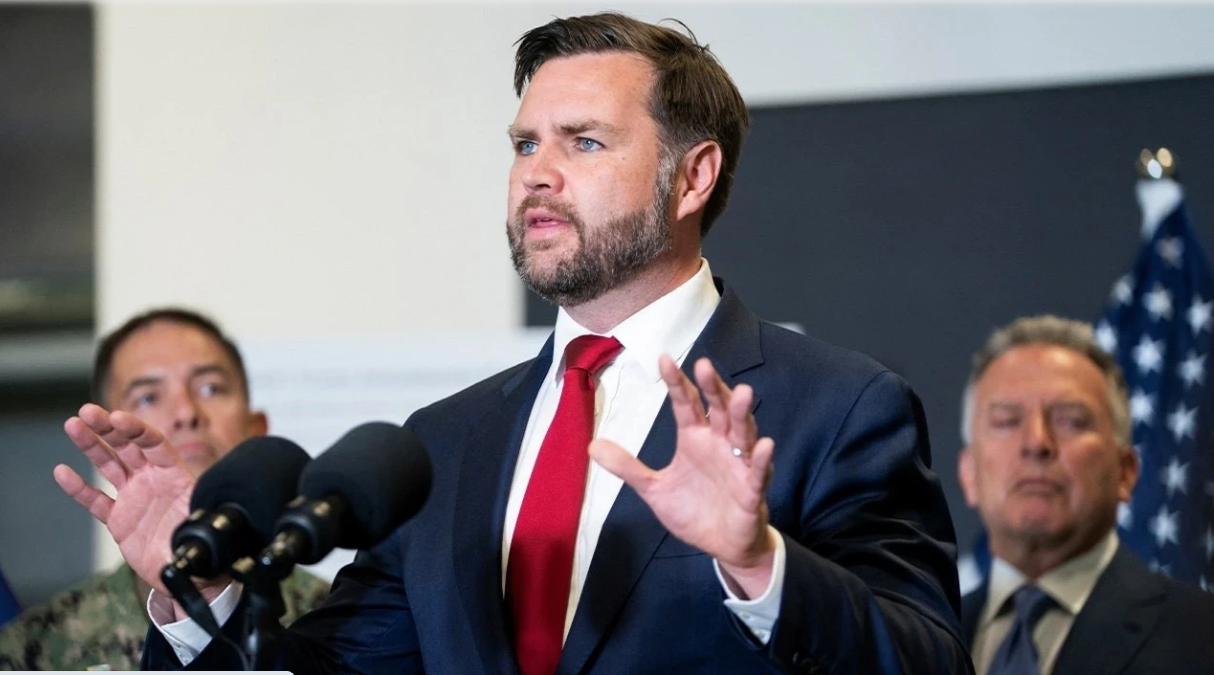
Can Trump and Erdoğan Bridge the Gap the Second Time Around?
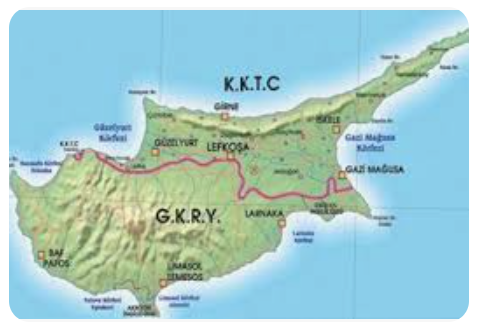 kibris
Donald Trump’s second term has brought renewed optimism to U.S.–Turkey relations. Personal chemistry between Trump and President Recep Tayyip Erdoğan, combined with fading past irritants and new trade incentives, has paved the way for closer cooperation on defense and diplomacy. Yet persistent divisions over Hamas, Israel, and regional security could once again test the relationship.
A Renewed Sense of Optimism in Washington and Ankara
Relations between Ankara and Washington have warmed considerably since the start of Trump’s second term.
In March, Treasury Secretary Steve Witkoff told conservative host Tucker Carlson that “the president has a relationship with Erdoğan, and that’s going to be important.”
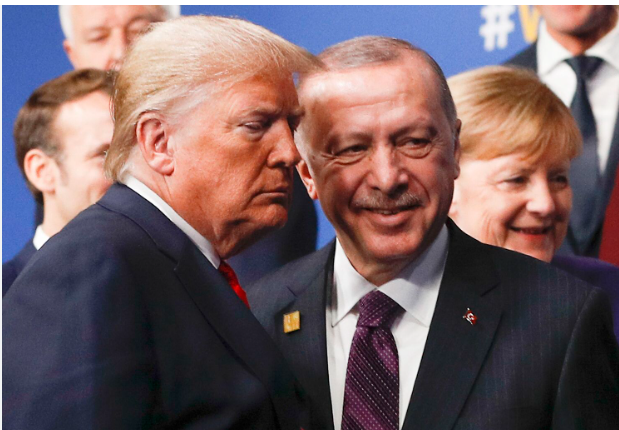
Since returning to office, Trump has repeatedly called Erdoğan a “good leader,” and the two men have spoken several times over the past nine months. They also met face-to-face on the sidelines of the NATO Summit in The Hague in June.
The highlight came on September 25, when Erdoğan made his long-anticipated White House visit. During that meeting, the two leaders made “meaningful progress” on trade and defense, including discussions on Turkey’s potential reentry into the F-35 program, acquisition of new F-16s, and broader cooperation in regional security.
Turkey Emerges Relatively Unscathed from Trump’s Tariff Wars
Trump’s unpredictable global tariff regime has rattled many major economies — but Turkey has fared far better than most.
The U.S. currently imposes an average tariff of just 15% on Turkish goods (excluding steel), among the lowest in the world. Compared with China and other large manufacturing nations, Turkey’s lower rates have made it an attractive alternative production hub for companies seeking to avoid higher fees.
Unlike India, which faces 50% tariffs for its Russian oil imports, Ankara has escaped additional sanctions despite being a major buyer of Russian energy. Analysts believe that close leader-to-leader ties played a role in this outcome.
Before Erdoğan’s White House visit, Turkey also lifted its reciprocal tariffs on U.S. steel and aluminum — a gesture that reportedly pleased Trump and helped defuse trade tensions.
Old Frictions Fade, Opening Space for Cooperation
Another key reason behind the thaw is the disappearance of long-standing disputes that once poisoned bilateral relations.
The death of Fetullah Gülen effectively removed the extradition controversy from the agenda. Meanwhile, Senator Bob Menendez, a fierce critic of Turkey, is serving a prison sentence for corruption and acting as an unregistered foreign agent. Trump’s dominance over a Republican-controlled Congress has also made the legislative branch more responsive to his foreign policy preferences.
Turkey is now seeking the removal of CAATSA sanctions, which would require Congressional approval. With Trump’s strong hold over the GOP, Ankara’s chances of success appear higher — though it must first address the issue of safe storage for its Russian S-400 systems.
Before meeting Erdoğan, Trump told reporters that if the two had “a good meeting, [we can lift sanctions] almost immediately.”
Remaining Challenges: Hamas, Israel, and Syria
Despite the renewed warmth, significant policy gaps remain.
The U.S. support for Israel and Turkey’s backing of Hamas could emerge as the most serious fault line. Trump has downplayed the issue, saying he “does not know Erdoğan’s stance,” but Erdoğan later claimed Trump asked him to mediate with Hamas to bring the group to the negotiation table with Israel. Whether such talks will materialize remains uncertain.
At the same time, the U.S. has strengthened its regional cooperation with Israel, Greece, and the Republic of Cyprus under the “3+1” framework — excluding Turkey. Although Ankara–Athens relations have recently improved, Trump’s participation in a future summit with these three countries could pose a diplomatic challenge for Erdoğan.
Looking Ahead: From Personal Trust to Institutional Cooperation
Analysts argue that rebuilding institutional trust is essential for making the rapprochement sustainable beyond personal ties between Trump and Erdoğan.
Policy experts suggest several steps to deepen cooperation:
-
Include Turkey in smaller U.S. “Coalition of the Willing” discussions — leveraging Erdoğan’s rare position as a leader with ties to both Putin and Zelensky.
-
Create a dedicated U.S.–Turkey defense working group on Syria — to improve intelligence-sharing and coordination on counterterrorism.
-
Resolve the S-400 issue and reintegrate Turkey into the F-35 program — while expanding defense-industrial cooperation under NATO’s 5% defense-spending target.
If both sides can build on their newfound goodwill and institutionalize cooperation, the second Trump–Erdoğan era could prove more stable — and strategically significant — than the first.
Megan Gisclon, TRENDS
PA Turkey intends to inform Turkey watchers with diverse views and opinions. Articles in our website may not necessarily represent the view of our editorial board or count as endorsement.
Follow our English-language YouTube videos @ REAL TURKEY: https://www.youtube.com/channel/UCKpFJB4GFiNkhmpVZQ_d9Rg
And content at Twitter: @AtillaEng
Facebook: Real Turkey Channel: https://www.facebook.com/realturkeychannel/
Related articles
Erdogan shoots down early election rumors, praises economic program
Homeland Party nominates İnce as presidential candidate
Tracing US-Turkey relations from Biden to Trump