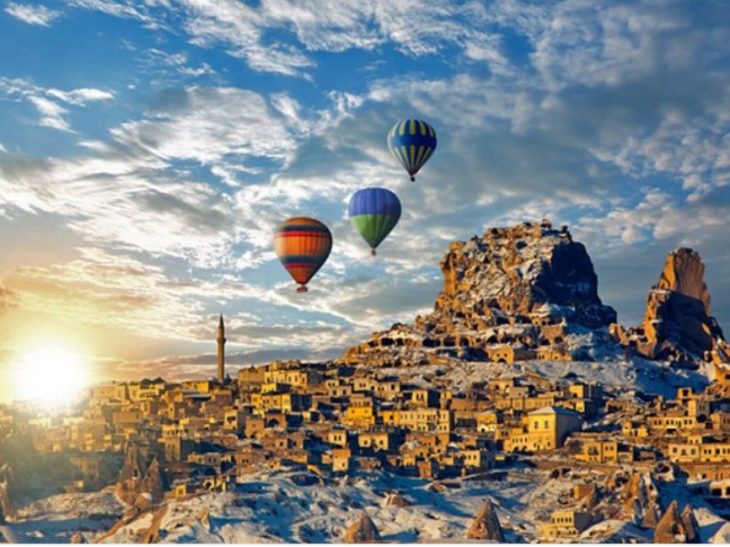
Türkiye Breaks Tourism Record with $61.1 Billion in 2024 Revenue
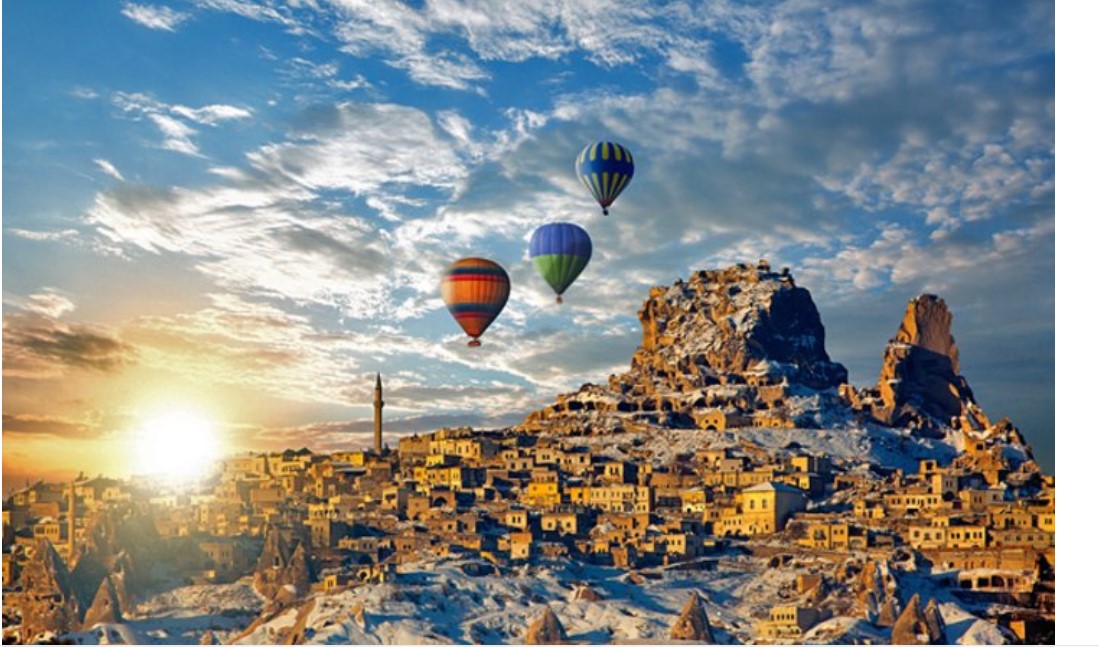 Cappadocia
Turkey’s tourism sector achieved a historic milestone in 2024, welcoming 62.3 million visitors and generating $61.1 billion in tourism revenue, according to Minister of Culture and Tourism Mehmet Nuri Ersoy. Speaking at the 18th Verona Eurasia Economic Forum in Istanbul, Ersoy emphasized that Turkey’s tourism industry continues to set new records every year, with early 2025 indicators already showing that the upward trend will continue.
Ersoy stated that this success cannot be attributed solely to Turkey’s rich cultural and historical heritage, but also to the country’s strategic promotional policies, safe tourism initiatives, and sustainable tourism programs developed after the pandemic. “This achievement is the rightful outcome of the intense efforts our country has made in tourism promotion, safety, and sustainability,” he said.
TGA: A Driving Force Behind Turkey’s Tourism Strategy
Highlighting the pivotal role of the Turkey Tourism Promotion and Development Agency (TGA), Ersoy said the institution plays a key role in implementing national tourism strategies and promoting the country’s tourism potential worldwide. He noted that TGA’s campaigns have successfully positioned Turkey as a global tourism brand, supported by innovative initiatives such as the Safe Tourism Certificate, Sustainable Tourism Certification, Night Museum programs, and the “Heritage for the Future” archaeological restoration project.
“These programs have made a significant contribution to the sector by ensuring year-round activity, improving quality standards, and promoting responsible tourism,” Ersoy explained. He underscored the importance of institutional ownership and strategic management in achieving long-term tourism sustainability.
Sustainability at the Core of Future Tourism
Ersoy stressed that sustainable tourism must go beyond profit and include respect for nature, culture, and people. “Sustainable tourism covers a wide range of goals — from protecting natural resources and reducing waste to preserving cultural diversity and integrating local communities into the tourism process,” he said. “Tourism must be managed with a mindset that values environmental and social balance, not just economic gain.”
Turkey Among Top Five Most-Visited Countries
Citing global data from 2024, Ersoy noted that international tourism mobility reached 1.5 billion travelers, with 747 million in Europe and 316 million in Asia. Within this landscape, Turkey ranked among the top five countries worldwide — alongside France, Spain, and Italy — for the number of foreign visitors received.
He highlighted Turkey’s unique geographic and cultural diversity, emphasizing that few nations possess the natural, historical, and human resources to support such a wide range of tourism types. “Turkey’s ability to host all forms of tourism — from cultural and historical to adventure and wellness — sets it apart as a truly exceptional destination,” he said.
Expanding in Alternative Tourism Sectors
Beyond its world-famous coastal tourism, Turkey continues to expand into alternative tourism segments, including thermal tourism, winter sports, nature and eco-tourism, diving, conference and wedding tourism, cruise and yacht travel, golf, and faith-based tourism. Ersoy explained that this diversification strategy aligns with Turkey’s sustainable development goals, ensuring year-round employment and regional growth.
“Tourism Is a Right for Everyone”
Addressing the social aspect of tourism, Ersoy emphasized that travel should not be seen as a privilege for a select group. “Tourism is a right and a necessity for all people,” he said. “Intercultural dialogue and social cohesion can only be achieved when every group and class participates in tourism.”
Tourism as a Catalyst for Development
Ersoy concluded his address by reiterating that tourism, when managed responsibly, serves as a powerful driver of economic development without harming local communities or the environment. “When implemented consciously, tourism does not damage local economies or cultural values — it strengthens them. It will continue to serve as one of the key engines behind sustainable economic growth,” he said.
The 18th Verona Eurasia Economic Forum, held under the theme “New Energy for New Economic Realities”, aims to promote cooperation among Eurasian nations in sectors including economy, energy, transportation, digital technology, agriculture, finance, and tourism.