Mabel Matiz Faces Obscenity Charges as Turkey Tightens Cultural Clampdown
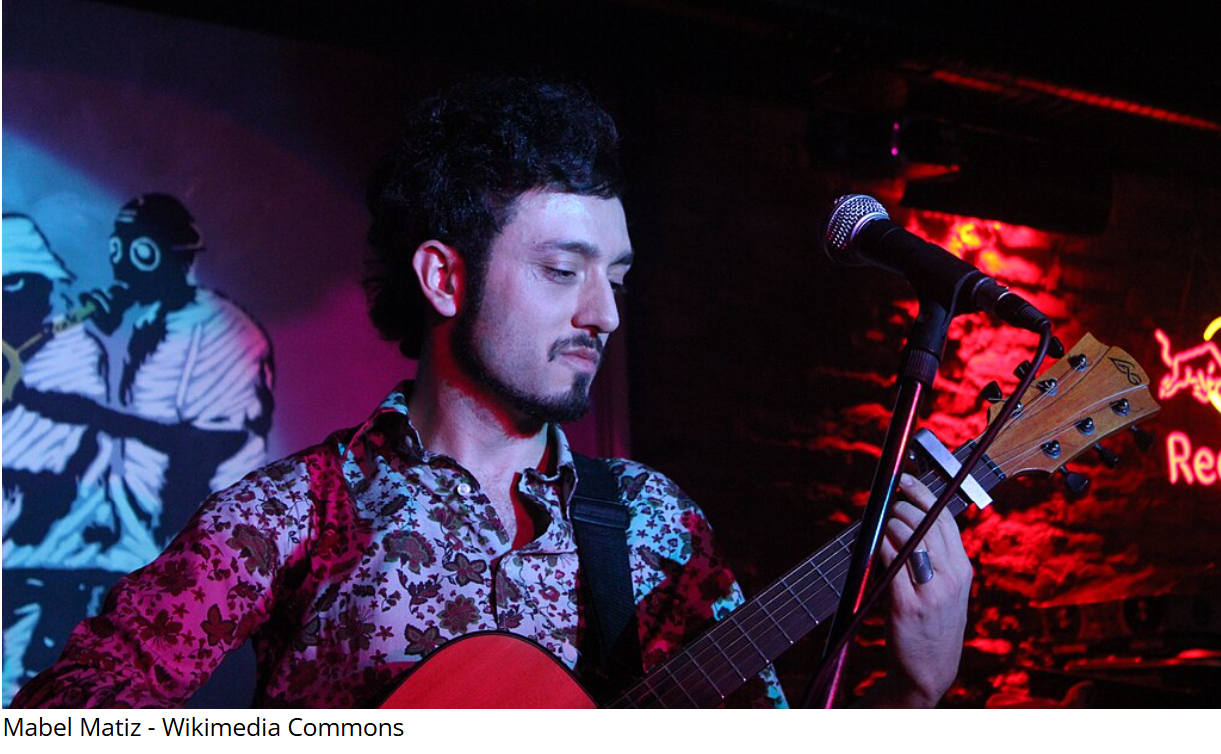 mabel matiz
Pop icon under fire for song depicting same-sex love amid “Year of the Family” campaign
Istanbul – Kenan Behzat Sharpe | 30 October 2025
One of Turkey’s most celebrated pop artists, Mabel Matiz, is facing criminal prosecution for his latest single “Perperişan,” accused of spreading “obscenity” under a government campaign to protect what officials call “family values.” The case has ignited a wider debate about censorship, artistic freedom, and LGBT+ rights in President Erdoğan’s Turkey.
A love song deemed a threat to ‘public order’
Released on September 5 in collaboration with the Paris-based duo Ko Shin Moon, “Perperişan” (“lovesick”) blends nostalgic 1990s pop with traditional Turkish melodies. Its lyrics, which hint at intimacy between two men, prompted the Ministry of Family and Social Services to petition Ankara’s Criminal Court of Peace to block the song on Spotify and YouTube.
The ministry argued that the track “could harm the institution of the family, negatively affect children, and disrupt public order.”
A day later, the Interior Ministry confirmed on X that a criminal complaint had been filed against the artist — whose real name is Fatih Karaca — under Article 226 of the Turkish Penal Code, which bans the publication of “obscene” material.
Court testimony and backlash
Summoned to court on September 22, Matiz defended the song as part of Turkey’s long folk-literary tradition:
“I wrote a mischievous love story in a tone familiar to Turkish listeners. I would like to think our public order and health are not so fragile as to be threatened by a simple song.”
Despite his statement, the Istanbul prosecutor formally indicted him for “facilitating the publication of obscene materials.” Matiz was released on bail with a travel ban, forcing cancellation of a Netherlands concert. If convicted, he faces prison time.
Lawyer Hüseyin Ersöz noted that Article 226 explicitly excludes “works with artistic or literary value,” arguing the charges misapply the law. Turkey’s Human Rights Association called the indictment “an open attack on freedom of expression,” linking it directly to the government’s “Year of the Family” initiative.
The politics of morality
Launched by President Erdoğan in January 2025, the campaign vows to shield children from “poisonous ideologies” and what officials describe as “gender-neutralization imported from the West.” Critics say it has served as justification for a sweeping crackdown on LGBT+ visibility and women’s rights.
A leaked 11th Judicial Reform Package would criminalize “any expression of LGBT identity” and impose jail terms for those “not acting according to their gender.” Amnesty International warned that the vague definition of “immorality” could outlaw a broad range of self-expression.
Artists under scrutiny
Matiz is not alone. Girl group Manifest, a six-member pop act inspired by K-Pop aesthetics, was charged in September with “indecent behavior” after concert footage was deemed “sexually suggestive.” The performers were released on bail but now face up to one year in prison.

Turkey’s broadcasting watchdog RTÜK has also ordered platforms like Disney+ and Amazon Prime Video to remove films and series featuring LGBT+ characters, citing a 2019 law empowering the agency to police online content.
Freedom of art under pressure
The Human Rights Association summarized the growing unease:
“Rather than protecting families, these policies repress alternative lifestyles and restrict freedom for women and LGBT+ people.”
For Mabel Matiz — long praised for his poetic lyrics and boundary-pushing pop style — the case is more than a personal trial. It is a measure of how Turkey’s once-vibrant music scene is being redrawn along ideological lines in what critics call an unprecedented cultural censorship drive.
Related articles

EM: Hope dies hard

Atlantic Council Warns: Any Peace Deal That Strengthens Russia Is a Direct Security Threat to Turkey
Türkiye Nears End of FATF Review: Grey List Risk Seen as Low