



Over 300 Writers Boycott The NY Times Over Pro-Israel Bias
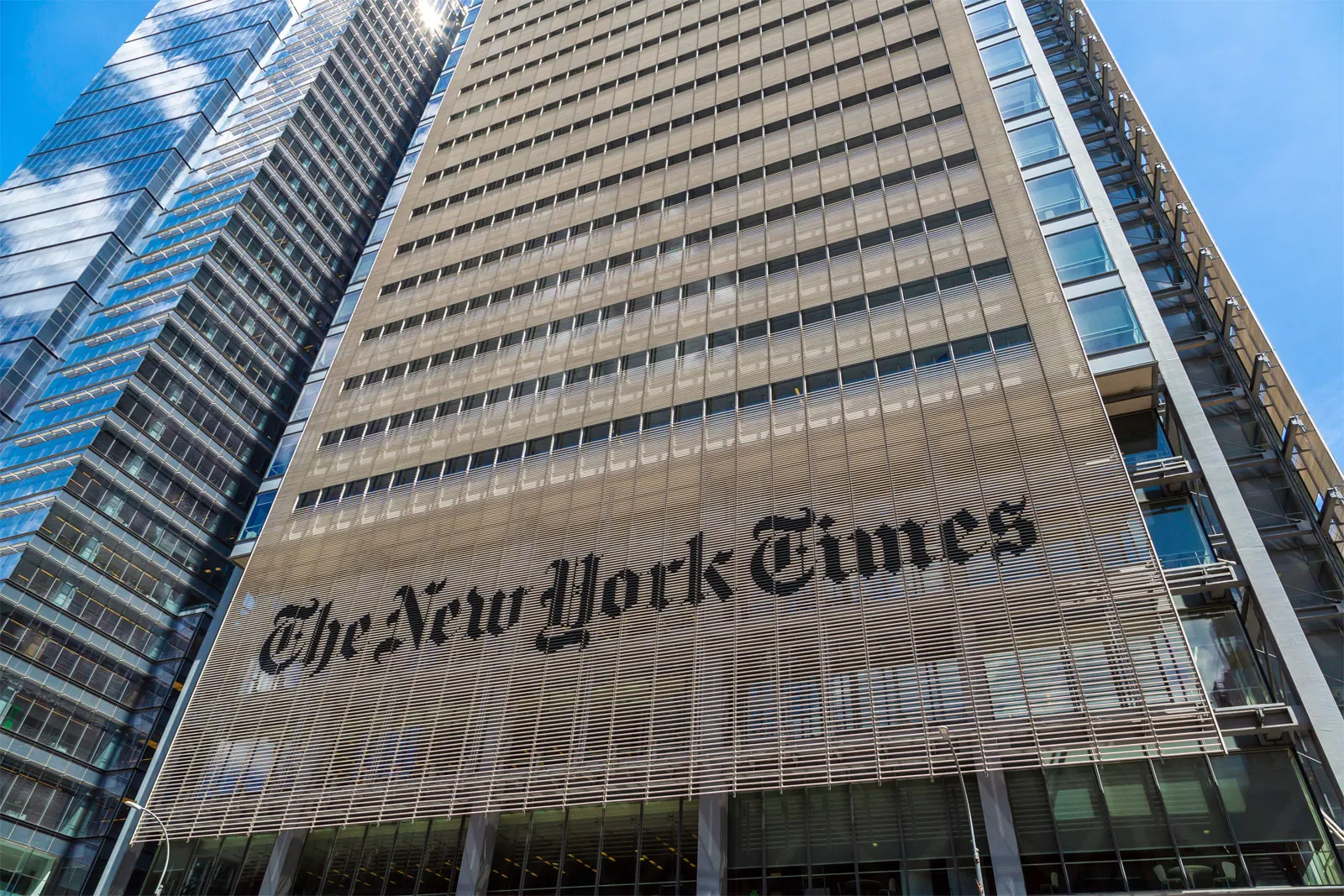 NY-times
More than 300 writers, academics, and prominent cultural figures have announced they will boycott The New York Times’ Opinion section, accusing the newspaper of pro-Israel bias and journalistic misconduct in its coverage of the Gaza war.
The group — which includes contributors to the Times’ Opinion section — declared that they will cease submitting articles until the newspaper meets three key demands aimed at addressing its alleged editorial bias against Palestinians.
“Media Is Part of the War Machine”
In their collective statement, the signatories wrote:
“As Palestinians in Gaza return to the ruins of their homes while Israel’s bombardment, massacres, and starvation campaign continue, our responsibility in the West is to hold complicit institutions accountable. Media, like arms manufacturers, is part of the war machine — reproducing the impunity and fanaticism that make war possible.”
They accused the Times of reprinting Israeli officials’ falsehoods, altering or suppressing stories at the request of Israeli consular and lobbying groups, and instructing reporters to avoid terms such as “massacre,” “ethnic cleansing,” and “occupied territories.”
Three Conditions for Ending the Boycott
The group outlined three non-negotiable demands before they will resume contributing to the newspaper:
-
Review and reform editorial standards to eliminate anti-Palestinian bias in news coverage.
-
Retract the controversial “Screams Without Words” investigation, which alleged sexual assaults by Hamas on October 7, 2023, citing concerns over unverified claims and flawed reporting.
-
Publish an editorial calling for a U.S. arms embargo on Israel.
The statement concluded that refusing to collaborate with The New York Times and demanding accountability for its failures is now a “moral obligation,” especially for Palestinian journalists and writers who have faced systemic marginalization.
A Growing Media Reckoning
The boycott comes amid rising criticism of Western media outlets accused of double standards in covering the Israeli–Palestinian conflict.
Analysts note that such internal protests — once rare — reflect a broader shift among intellectual and cultural circles toward demanding editorial transparency and ethical accountability.
The New York Times has not yet issued an official response to the protest.