Climate Crisis Deepen Turkey’s Energy and Water Woes
 Drought in Turkey Deepens
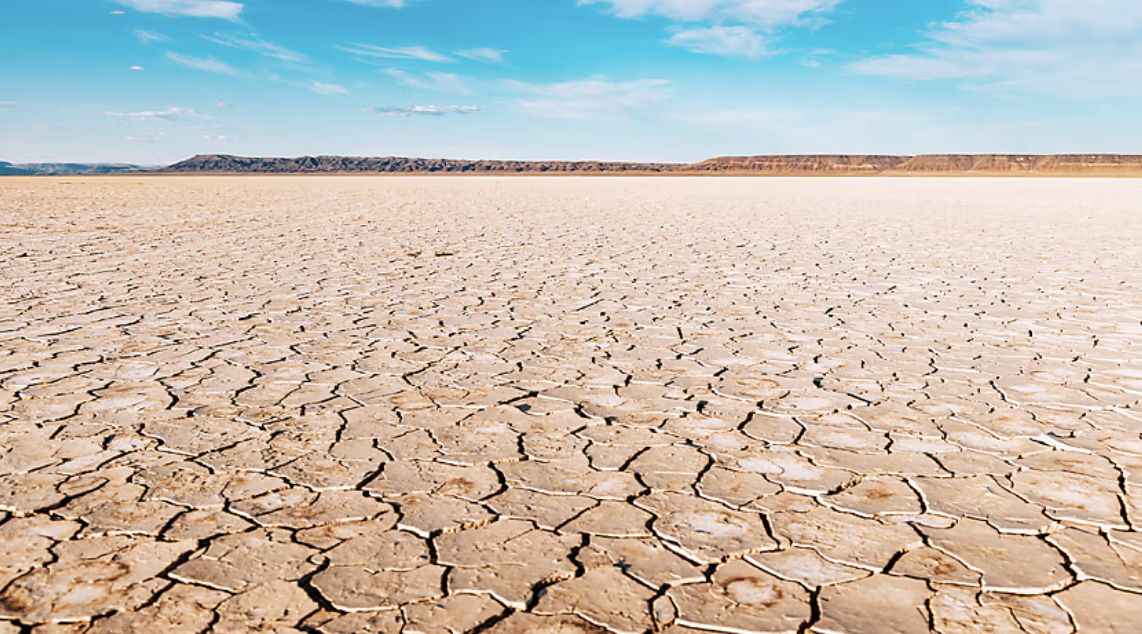
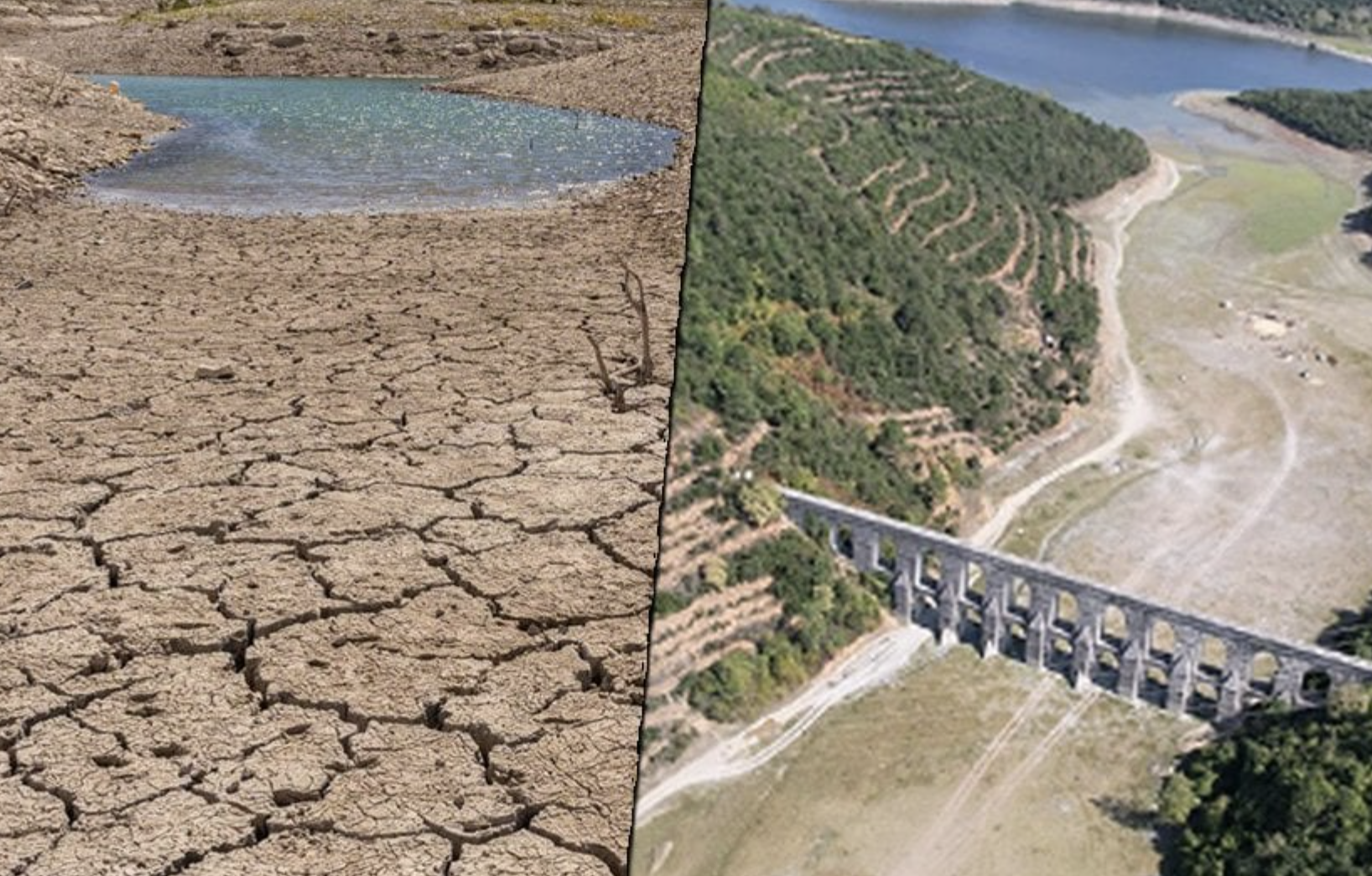
The combined impact of the climate crisis and poor water management has triggered a dual energy and water crisis across Turkey, with hydropower generation plummeting to historic lows.
One of Turkey’s largest hydroelectric sources, the Atatürk Dam, which once produced over 10 billion kilowatt-hours annually in the late 1990s, has seen its output drop by nearly half in recent years — falling below 5.5 billion kWh between 2022 and 2024.
From 10 Billion to 3 Billion kWh: A Sharp Decline
Data shows the Atatürk Dam’s energy output dropped from 10.5 billion kWh in 1998 to just 3.7 billion in 2021, 3.4 billion in 2022, 3.2 billion in 2023, and 5.4 billion in 2024.
According to Dursun Yıldız, President of the Water Policies Association, this decline reflects a 25% reduction in hydroelectric output from Turkey’s major dams — Keban, Karakaya, and Atatürk — over the past 30 years.
“The electricity generated from our dams has gradually decreased,” Yıldız told Cumhuriyet.
“The decline is closely correlated with regional drought patterns — a clear sign that the water-energy balance is being disrupted by climate change.”
Iraq Requests More Water as Drought Deepens
The crisis is not confined to Turkey. Neighboring Iraq, which relies heavily on the Euphrates and Tigris rivers, has requested that Turkey increase monthly water flow by 1 billion cubic meters during October and November to ease shortages.
The Fırat-Dicle Basin, which supplies roughly 30% of Turkey’s total water flow, also accounts for half of the country’s hydroelectric capacity, making its decline a national and regional security issue.
Hydropower Losses Have Economic and Political Costs
Yıldız warned that the drop in hydropower generation has serious economic and geopolitical implications:
“This decline affects Turkey economically and hydropolitically. The reduced water flow impacts both energy output and downstream relations with Iraq and Syria.”
He emphasized that the loss of water and energy production could lead to a cascade of issues — including agricultural losses, falling groundwater levels, ecological imbalance, and migration from rural areas.
“Turkey Needs an Integrated Water–Energy–Climate Strategy”
Citing findings from a Turkish Parliament (TBMM) Agricultural Frost Commission Workshop Report, Yıldız urged immediate policy coordination:
“The report warns that Southeastern Anatolia will also be severely affected by drought in coming years.
The Euphrates–Tigris Basin must adopt an integrated water-energy-climate policy and implement drought action plans now.”
He added that a new basin management model should be established to synchronize water, energy, and climate governance, ensuring sustainable use of scarce resources.
Key Figures
| Year | Atatürk Dam Electricity Output (billion kWh) |
|---|---|
| 1998 | 10.5 |
| 2021 | 3.7 |
| 2022 | 3.4 |
| 2023 | 3.2 |
| 2024 | 5.4 |