Turkish Lecturer Jailed for Alleged Insult to President While Trying to Attend Theater
 Erdogan
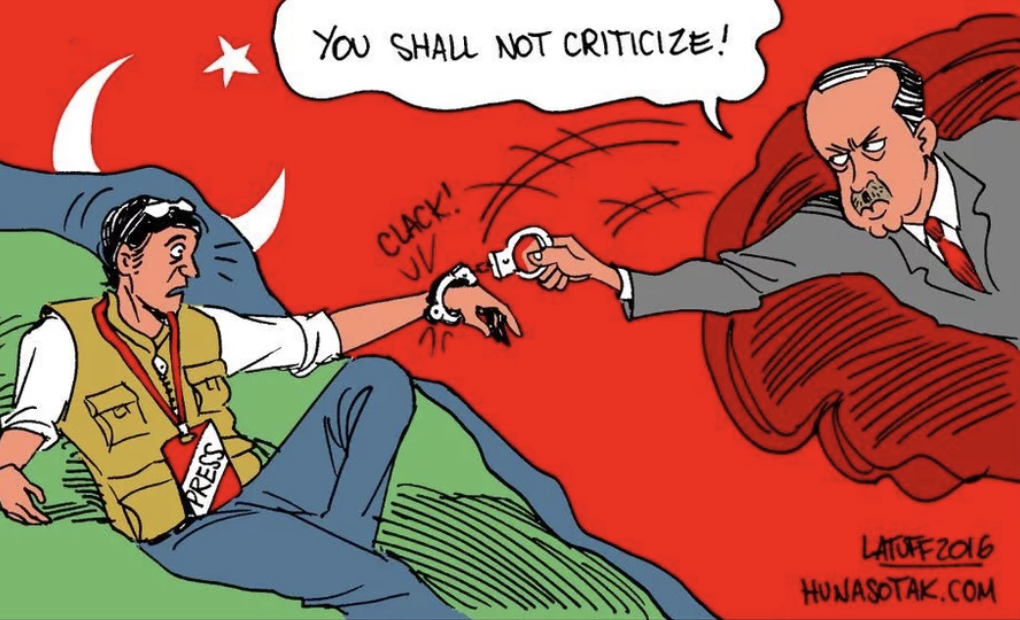
Eda Saraç, a lecturer at Piri Reis University, was arrested and imprisoned in Istanbul on charges of insulting the President after a confrontation with police while attempting to reach a theater performance in Harbiye.
According to witnesses, Saraç was stopped at a security barrier set up for President Erdoğan’s visit in the area. When she protested the restriction, officers allegedly handcuffed her behind her back, used force during the arrest, and detained her overnight.
“She Was Just Trying to Reach Her Stage”
The incident occurred when Saraç attempted to cross a police barrier near the Harbiye Muhsin Ertuğrul Theater to make it to her scheduled performance. Police refused to let her pass due to heightened security measures for President Erdoğan, who was reportedly attending a nearby event.
After objecting to the barricades, Saraç was detained on the spot and later charged under Article 299 of the Turkish Penal Code, which criminalizes insults against the President.
She spent the night in custody and was sent to prison following a court hearing the next day.
Reaction from Opposition: “This Is a Breakdown of Justice”
CHP Women’s Branch Chair Asu Kaya, who attended the hearing, condemned the arrest, stating:
“A woman, an artist, is dragged on the ground, handcuffed, and beaten simply for trying to reach her stage. How does criticizing barricades amount to insulting the President? This is clear proof that justice in Turkey has been surrendered to political arbitrariness.”
Human rights advocates and artists’ unions have also called for Saraç’s release, describing her detention as a violation of freedom of expression and artistic rights.
Legal Context
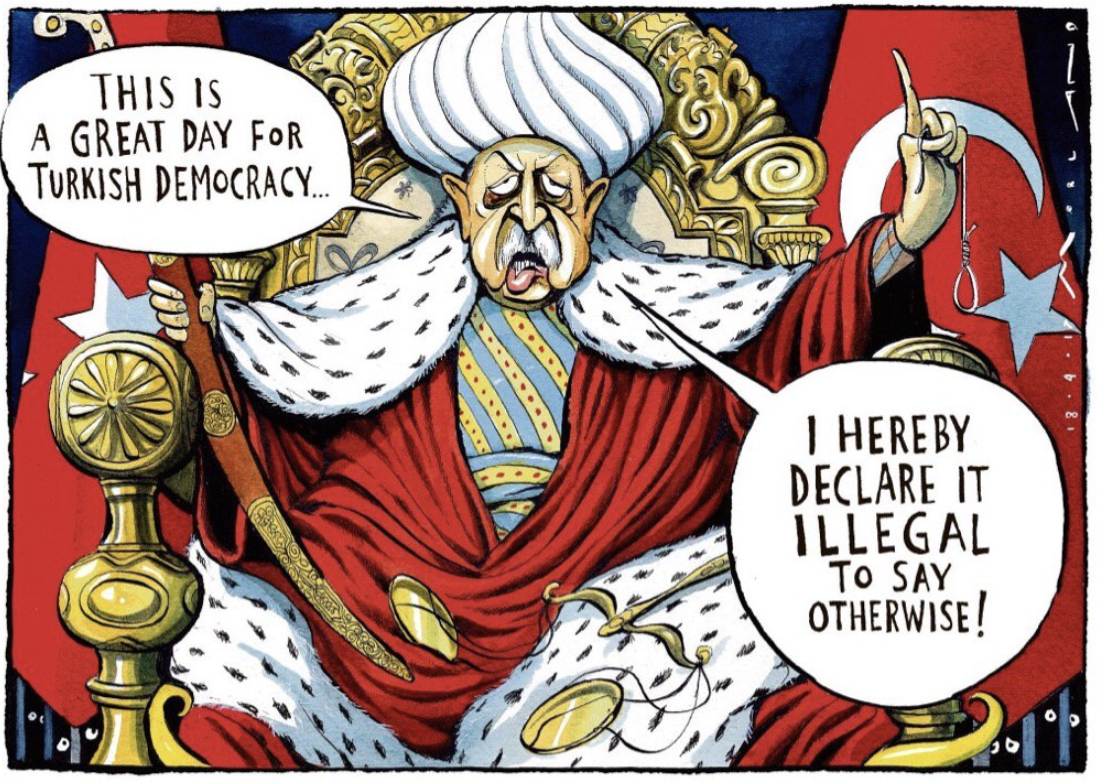
Under Turkey’s controversial Article 299, “insulting the President” is punishable by up to four years in prison, with increased penalties if committed publicly or through the media.
The law has faced repeated criticism from European human rights bodies for being used to silence dissent and criminalize speech.
Related articles

YouTube Show Hosts Face 4.5-Year Prison Demand Over “Hadith Joke” Case
LeMan Magazine Case: Senior Staff Released, Cartoonists Still in Detention
Turkish Worker Arrested After Protest Banner and Phone Thrown at Erdoğan Rally