



Russia’s Lukoil to Exit Global Markets Amid U.S. Sanctions,
 lukoil
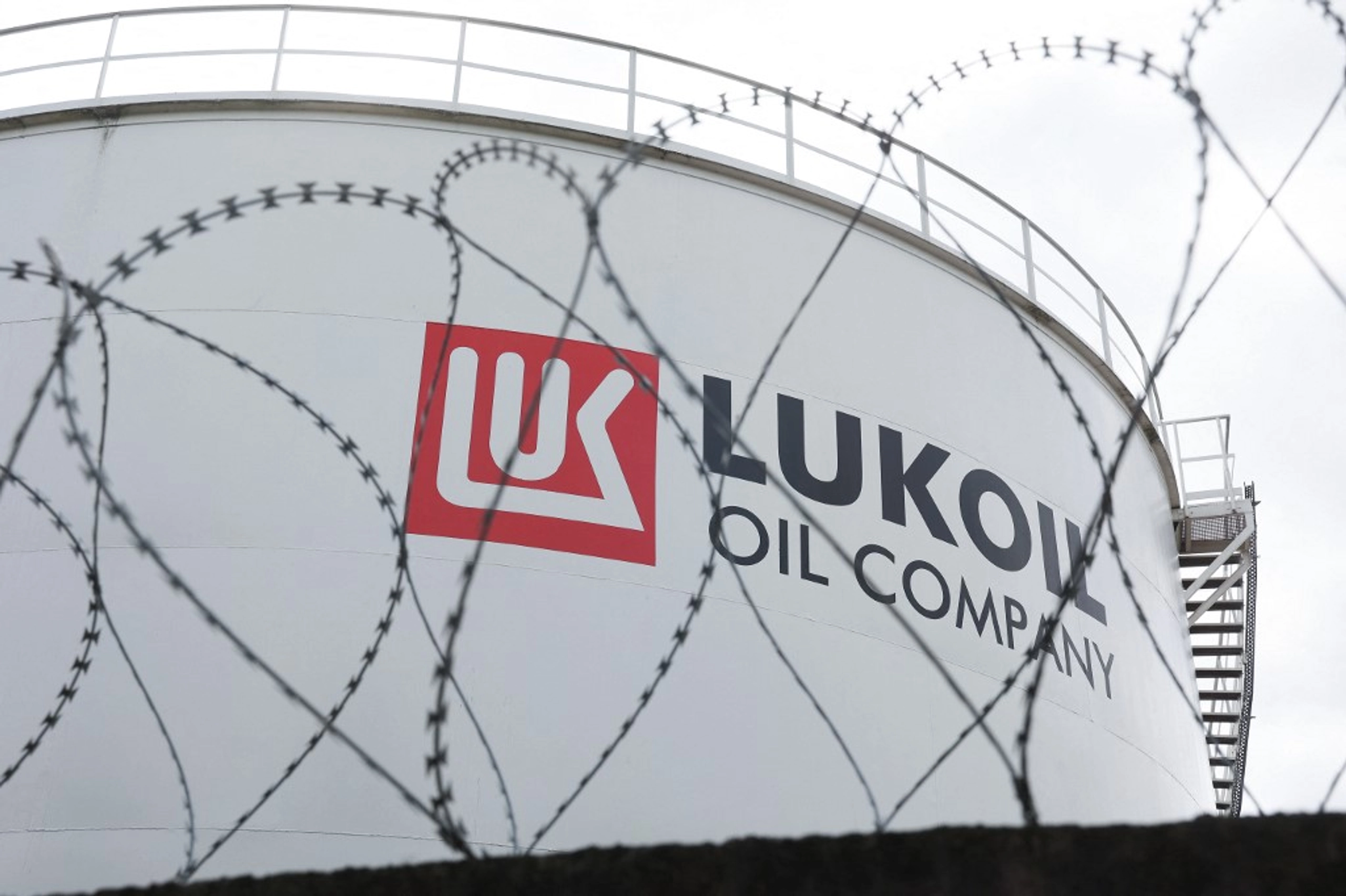
Russian oil giant Lukoil has announced that it will sell off all assets outside Russia, marking one of its most dramatic strategic shifts in recent history. The move comes under mounting pressure from U.S. sanctions, which have increasingly targeted Russian energy companies since the Trump administration.
A Major Retrenchment From Global Markets
In a statement on its official website, the company said:
“Lukoil declares its intention to divest international assets. The process of evaluating offers from potential buyers has begun.”
The decision signals Lukoil’s effective withdrawal from several key markets, including Turkey, Romania, Bulgaria, and Azerbaijan, as part of a broader geopolitical and financial realignment.
Impact on Turkey: 600+ Stations Up for Sale
Lukoil entered the Turkish market in 2008 with the acquisition of Akpet, quickly becoming one of the country’s largest fuel retailers with a network of over 600 service stations.
The decision to divest means a significant portion of Turkey’s fuel distribution market—currently held by Lukoil—will be put up for sale. Industry analysts expect both domestic and Gulf-based energy companies to show interest in acquiring the company’s Turkish assets.
This development could reshape competition in Turkey’s energy retail sector, where players like OPET, Shell, BP, and TotalEnergies already dominate.
Sanctions Driving Strategic Realignment
The move follows expanded sanctions on Russian energy companies imposed under the Trump administration, targeting major players such as Rosneft and Lukoil. These restrictions have limited global financing channels, supply chains, and partnerships for Russian oil producers.
Analysts say the company’s withdrawal represents a defensive maneuver to safeguard its core domestic operations, especially amid tightening Western financial constraints and ongoing geopolitical tensions.
Broader Regional Implications
Lukoil’s exit from Turkey and other regional markets like Romania and Bulgaria could create acquisition opportunities for regional fuel distributors and state-backed energy firms looking to expand their footprint.
However, experts warn that regulatory and political scrutiny may complicate the sale process, particularly for buyers with ties to Russia or countries under Western sanctions.