Kurdish Rebel Group PKK Announces Withdrawal from Turkey: Can Erdoğan Make Peace with the Kurds?
 pkk3
pkk3
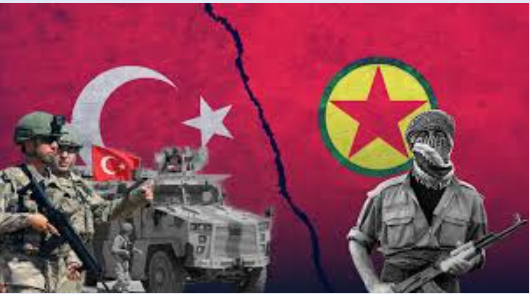
The outlawed Kurdistan Workers’ Party (PKK) has announced a full withdrawal of its forces from Turkey to northern Iraq as part of what it calls a “disarmament and integration process.” The development, coming after four decades of conflict that claimed more than 40,000 lives, marks the most significant step in years toward ending one of Turkey’s longest-running security crises — though questions remain about whether a lasting peace is truly within reach.
PKK Declares the Start of Disarmament
In a statement released from northern Iraq, the PKK said the move was aimed at building a “free, democratic and brotherly life,” emphasizing that the withdrawal was part of its broader transition to democratic politics.
“The legal and political steps required by this process, as well as the laws of freedom and democratic integration necessary to participate in democratic politics, must be put in place without delay,” the statement read.
Senior PKK figure Sabri Ok told journalists at a symbolic ceremony that the group sought “laws specific to the process, not just an amnesty.”
The organization’s 76-year-old imprisoned leader Abdullah Öcalan, held on İmralı Island for more than 25 years, had called in May for the group to lay down its arms and pursue its cause through peaceful and political means.
Ankara Welcomes the Move — Cautiously
Turkish government spokesperson Ömer Çelik said on X that the PKK’s withdrawal was “a concrete result of the government’s goal to make Turkey terror-free.”
He added that the decision would contribute to forming a “positive framework” for the parliamentary commission now tasked with drafting the necessary legal structures for integration — and determining Öcalan’s fate.
The 48-member parliamentary commission is expected to address key issues such as rehabilitation, reintegration, and the potential amnesty of PKK members.
Regional Impact: From Syria to Iraq
The end of Turkey’s armed conflict with the PKK — listed as a terrorist organization by Turkey, the United States, and the European Union — could have far-reaching regional consequences, particularly in Syria.
For years, Ankara has accused Washington of backing Syrian Kurdish militias linked to the PKK, fueling tensions between the two NATO allies. If the peace process holds, those tensions could ease, reshaping regional alliances from Iraq to northern Syria.
Analysis: PKK Disarms – But Will This Bring Peace?
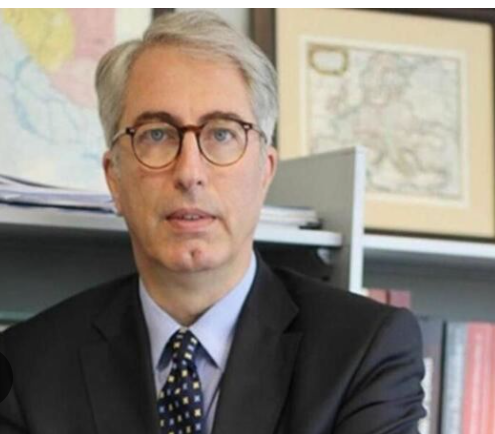
Political analyst Yaşar Aydın argues that while the PKK’s announcement marks a milestone, “a democratic solution to the Kurdish question remains a distant prospect.”
“The banned Kurdistan Workers’ Party ended its armed struggle against the Turkish state and officially disbanded in May. But how secure is the peace process amid the region’s geopolitical power struggle?” Aydın wrote.
According to Aydın, President Recep Tayyip Erdoğan’s overtures toward the PKK are closely tied to Ankara’s shifting regional strategy, especially following the U.S. withdrawal from Syria.
In exchange for U.S. concessions — including lifting sanctions on Damascus — Erdoğan has softened his rhetoric toward Israel and sought to position Turkey as a regional stabilizer.
However, this tactical détente may prove fragile. Should the geopolitical balance in Syria and Israel shift, Ankara’s alliance with Öcalan’s camp could collapse just as quickly as it emerged.
Erdoğan’s Domestic Calculus
Domestically, Erdoğan appears to be using the peace process to consolidate political power. His main objective, analysts say, is to secure the pro-Kurdish DEM Party’s support for a constitutional amendment that would enable him to run for a third presidential term.
But this maneuver could once again derail hopes for lasting peace. So far, the disarmament process appears largely symbolic, with no international oversight or clear legal guarantees.
Aydın warns that without a comprehensive reintegration plan or political reforms, “the peace process risks collapsing under the weight of old mistrusts and new power struggles.”
Atilla Yeşilada: A Symbolic Gesture — and a Political Trap
This is largely a symbolic gesture because there are hardly any PKK militants left in Turkey. Vacating a few strongholds close to the Turkish border at the Iraqi side is a more substantial concession, though monitoring it will be onerous. Ergo, PKK aims to shed all blame in case the Peace Process fails, putting the onus on Erdoğan.
Pro-Kurdish DEM Party will meet him on October 28, where its members will urge him to expedite legislation about amnesty or rehabilitation of former PKK militants. Going back to the CHP acquittal, Bahçeli — who sincerely cares about befriending all Kurds in the region — may have decided Erdoğan’s lack of effort is the primary obstacle to making progress. If so, refocusing Erdoğan’s attention from destroying CHP to advancing the Peace Process is only possible by exercising the veto threat on mayor crackdowns.
The Road Ahead
For now, Turkey stands at a historic crossroads. The disarmament of the PKK could open a path toward reconciliation — or merely mark another chapter in a decades-long cycle of failed peace efforts.
Whether Erdoğan and Öcalan can translate this fragile moment into sustainable coexistence will depend on legal reforms, political will, and genuine trust-building between the state and the Kurdish movement.
PA Turkey intends to inform Turkey watchers with diverse views and opinions. Articles on our website may not necessarily represent the view of our editorial board or count as endorsement.
Follow our English language YouTube videos @ REAL TURKEY: YouTube Channel
Twitter: @AtillaEng
Facebook: Real Turkey Channel***
Related articles
How Fed monetary policy hurts Turkey (and most Emerging Markets)

Turkey’s New Political Mood: Deepening Public Distrust, Strong Pushback Against Lottery Games, and Shifting Party Support
France, Turkey, and the Black Sea: A Window for Strategic Reset