PKK to Announce ‘Historic Step’ Amid Ongoing Peace Process with Turkey
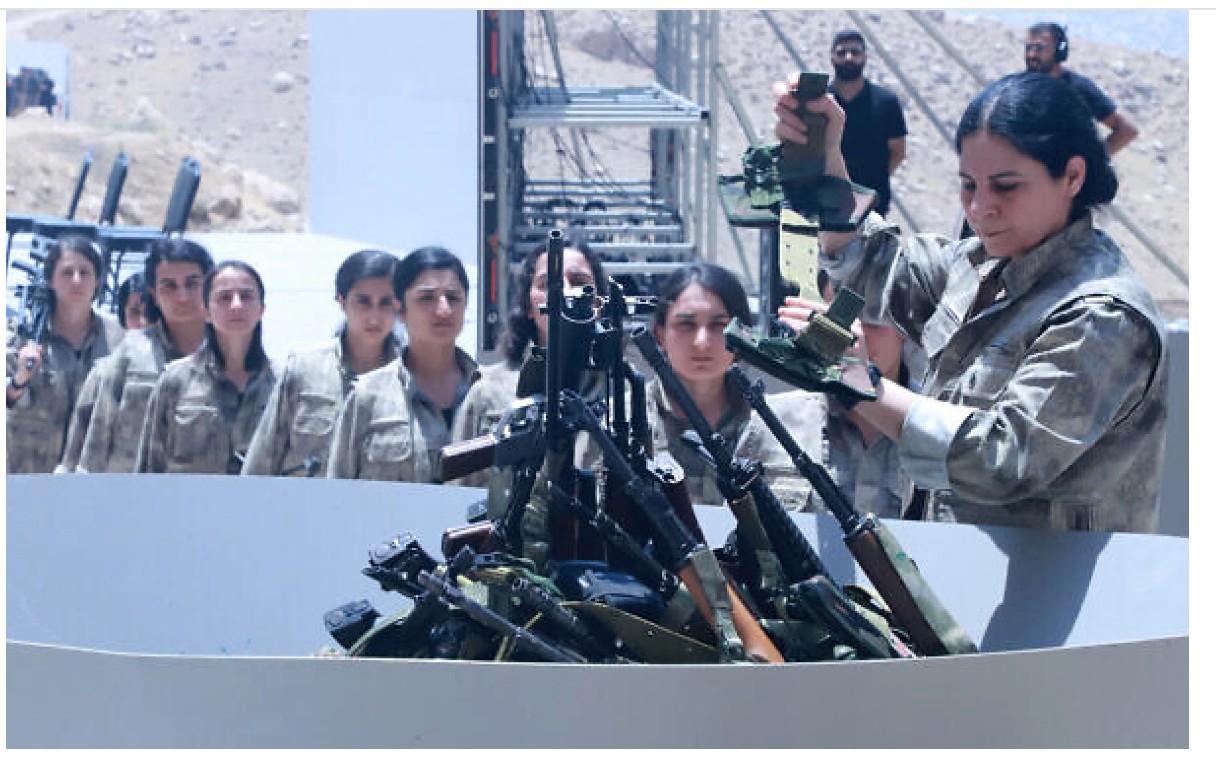 pkk-militanlar
Reports suggest withdrawal from Turkey-Iraq border and symbolic disarmament moves ahead of key political talks
The Kurdistan Workers’ Party (PKK) is expected to announce a “historic step” on Sunday, in what could mark a new phase in Turkey’s Kurdish peace process. The move follows the group’s earlier decision to dissolve itself and burn weapons in response to imprisoned leader Abdullah Öcalan’s February call to end its four-decade armed struggle.
PKK signals a new phase in disarmament
PKK-linked media outlets, including Ronahi TV and Rojnews, reported that the organization will make a formal announcement “within the framework of Leader Apo’s [Öcalan’s] call for peace and the 12th PKK Congress decisions.” The press conference will reportedly take place in the foothills of Iraq’s Qandil Mountains, a traditional PKK stronghold, and will include the reading of an official statement outlining the group’s next steps.
According to sources quoted by Rûdaw, the upcoming declaration will detail practical measures to advance the peace process, possibly involving the relocation of armed units from the Turkey-Iraq border region to interior areas under the control of the Kurdistan Regional Government (KRG). The move is described as the “first stage” of a broader, phased withdrawal.
Strategic withdrawal from Bahdinan and Gara
Regional journalist Hemin Hoşnav, based in Erbil, told local media that the group is likely to announce a gradual retreat from the Bahdinan region, which stretches along the Turkish frontier, including the strategically important Gara Mountain. Some units are expected to relocate toward Qandil, signaling a shift from cross-border engagement to a more confined presence within northern Iraq.
Security analysts note that the gesture is intended to “ease Ankara’s hand” in the ongoing negotiations and to accelerate discussions on implementing a potential “return home” law that would allow PKK members to demobilize and reintegrate under legal guarantees.
From dissolution to peacebuilding
The PKK’s 12th Congress, held in May, formally adopted the decision to dissolve the organization in line with Öcalan’s directives. In July, a symbolic disarmament ceremony was held in Sulaimaniyah’s Dukan district, where a group of 30 fighters—including senior figure Bese Hozat—publicly burned their weapons.
These events followed Öcalan’s February appeal urging militants to abandon armed resistance in favor of political struggle, using democratic and parliamentary channels to advocate for Kurdish rights within Turkey’s political framework.
Timing before key political meetings
The expected announcement comes days before the pro-Kurdish DEM Party’s delegation is set to meet President Recep Tayyip Erdoğan on October 28. The party’s İmralı delegation is also expected to visit Öcalan in prison before the parliamentary commission on the peace process convenes on October 30.
Political observers see the timing as significant, potentially aimed at reinforcing the credibility of the peace initiative and showing goodwill ahead of delicate political negotiations.
Chatham House: PKK’s dissolution could reshape Turkey’s politics
A recent analysis by London-based think tank Chatham House argues that the end of the PKK’s armed campaign could transform both Turkey’s domestic politics and its foreign policy. “Resolving the Kurdish issue requires a reimagination of Turkish citizenship and nationhood that accommodates Kurdish identity,” the report notes.
It adds that the four-decade conflict has entrenched authoritarian tendencies, legitimized over-centralization, and curbed political freedoms. “The PKK’s dissolution could, in the medium to longer term, lead to a less securitized political and public sphere,” the study concludes, suggesting that removing the “long shadow” of the conflict could strengthen Turkish democracy.
Regional implications: Reimagining Ankara’s neighborhood
Ankara’s foreign policy has long been shaped by its conflict with the PKK and its affiliates in Iraq, Syria, and Iran. Chatham House argues that a successful peace process could pave the way for Turkey to view Kurdish communities not as geopolitical threats, but as potential partners.
“Turkey’s relations with Syrian Kurds must evolve to resemble its cooperation with Iraqi Kurds,” the report says, referring to Ankara’s pragmatic ties with the Kurdistan Democratic Party (KDP). “If the peace process succeeds, Kurds could become a bridge between Turkey and the rest of the Middle East.”
A shift in regional power balance
The dissolution of the PKK could also recalibrate the regional balance between Turkey and Iran, which have long competed over Kurdish geopolitics. Iran maintains close ties with left-leaning Kurdish parties such as the Patriotic Union of Kurdistan (PUK) and the PKK, while Turkey’s relations are stronger with conservative groups like the KDP. Analysts suggest that a peaceful resolution would weaken Iran’s leverage and strengthen Ankara’s regional position.
Similarly, Israel—whose Syria policy often seeks to exploit Kurdish and Druze fears to weaken Damascus—could face setbacks if Ankara normalizes ties with Kurdish movements across borders.
Toward a post-conflict Turkey
As the “PKK-Turkey peace process” unfolds, Turkey’s relations with the U.S., Russia, and Europe could also enter a new phase. A durable peace would remove one of the main points of friction in Ankara’s ties with Washington over Syrian Kurds, while potentially opening space for renewed cooperation with Moscow and Brussels.
Whether the forthcoming “historic step” will translate into lasting peace remains uncertain, but for the first time in decades, both rhetoric and regional dynamics seem aligned toward ending one of Turkey’s longest and bloodiest conflicts.
Kurdish newsportals, T24, Galip Dalay
Related articles

The Russia-NATO Crisis Tests Turkey’s Balancing Policy
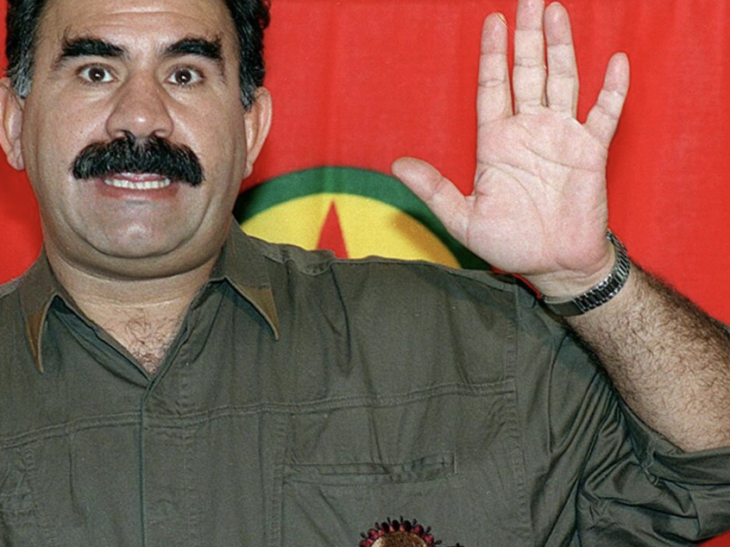
Jailed PKK Leader Urges Group to Disband in ‘Historic’ Call
Video commentary: Turkey is becoming the darling of Emerging Markets