822 Children Behind Bars: Turkey’s Exploding Prison Crisis Exposed
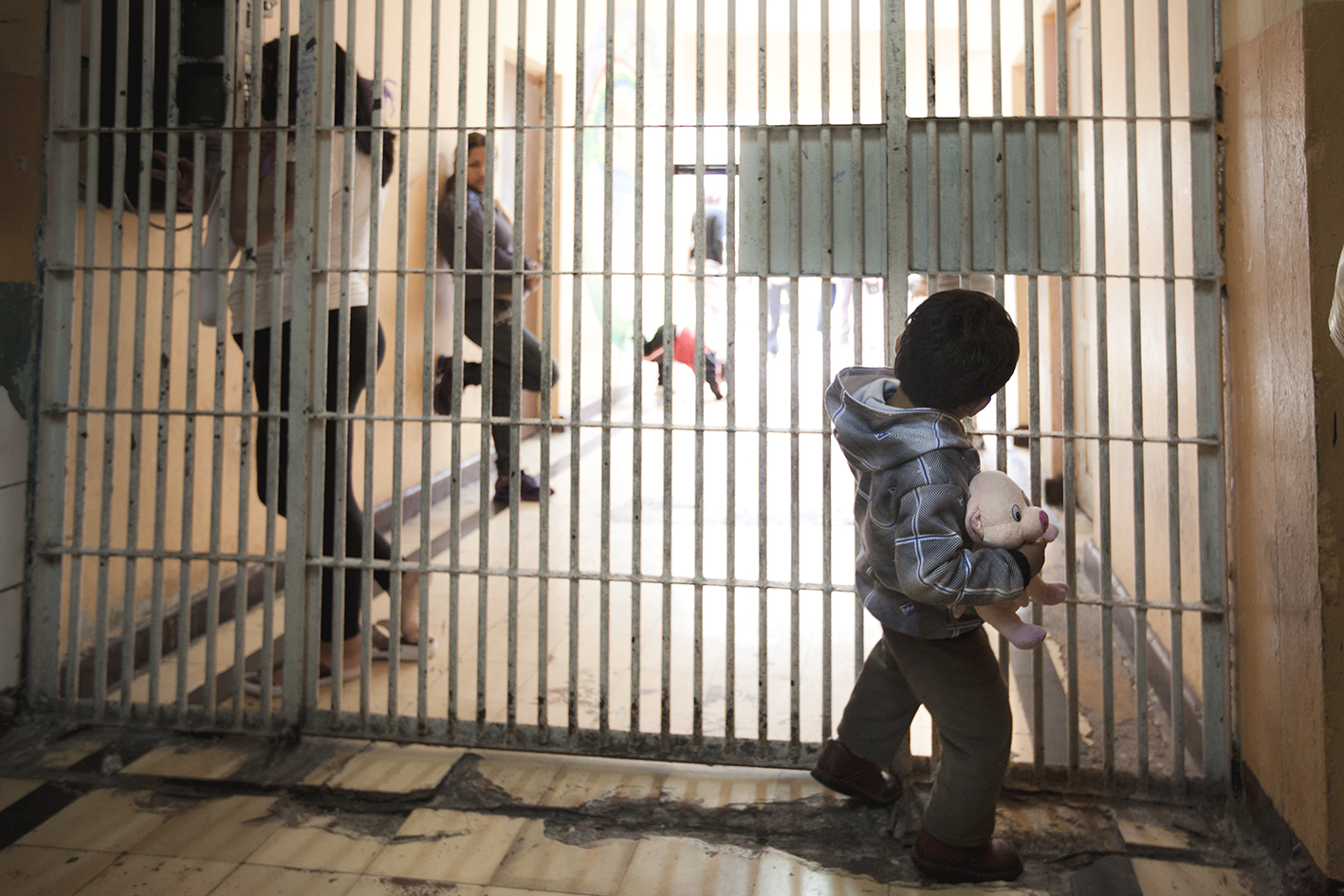 Children Prisons
Turkey’s overcrowded prison system has reached a critical threshold, with new data from the Civil Society in the Penal System (CISST) revealing both a surge in total inmate numbers and a growing population of children forced to live behind bars with their mothers.
Children Growing Up in Prison
As of October 1, 2025, 822 children under the age of six are living in Turkish prisons alongside their mothers — up from 759 a year earlier. In addition, 4,561 minors aged 12 to 18 are currently in detention, including 187 young women, according to CISST’s latest findings.
The report highlights that 19,290 women are incarcerated nationwide. Many of them are mothers of infants or young children who, under Turkish law, should not be imprisoned. The Turkish Penal Code’s Article 16 explicitly mandates that pregnant women or those who have given birth within the last six months must not serve prison sentences, a safeguard aligned with international standards such as the United Nations’ Bangkok Rules for the treatment of women prisoners.
Overcrowding Crisis Deepens
Turkey’s total prison population has climbed to 420,904, exceeding official capacity by 38 percent. This represents a 4.4 percent increase in just six months and a sevenfold rise since 2002, when the Justice and Development Party (AKP) came to power.
A Council of Europe report in 2023 identified Turkey as the country with the largest prison population in Europe and the fastest growth rate — a staggering 439 percent increase from 2005 to 2023.
In response, the government plans to expand its penal infrastructure further. Six new prisons are scheduled to open by early 2026, followed by nine in 2026, five in 2027, and two in 2028. These 22 new facilities will bring Turkey’s total number of prisons to 424 by the end of the decade.
Post-Coup Crackdown and Women Behind Bars
The number of women — and children — in Turkish prisons skyrocketed after the failed coup attempt on July 15, 2016, when thousands of women were arrested over alleged links to the faith-based Gülen movement.
The movement, inspired by U.S.-based cleric Fethullah Gülen, was once allied with the government but became the target of President Recep Tayyip Erdoğan’s crackdown after corruption probes in 2013 implicated members of his circle. Erdoğan later designated the Gülen network a terrorist organization in 2016 and blamed it for orchestrating the coup attempt — accusations the movement firmly denies.
A 2017 report by the Stockholm Center for Freedom, titled “Jailing Women in Turkey: Systematic Campaign of Persecution and Fear,” documented widespread torture, ill-treatment, and arbitrary arrests of women, many detained while pregnant or caring for infants.
Human Rights and Legal Violations
Experts argue that the imprisonment of pregnant women and mothers with newborns constitutes a clear violation of both Turkish law and international human rights conventions.
The Bangkok Rules (Articles 48–52) emphasize that children living with mothers in prison should never be treated as inmates and must receive specialized care. The European Court of Human Rights (ECtHR) has also ruled that the state must prioritize the well-being of both unborn and young children in cases involving the detention of mothers.
Despite these obligations, reports continue to document violations — from overcrowded conditions to inadequate access to health care, nutrition, and child development resources.
CISST’s Advocacy and the Road Ahead
Founded in 2006, CISST (Civil Society in the Penal System) advocates for the protection of prisoners’ rights and human dignity. The organization works to ensure that Turkish prisons adhere to international human rights standards, emphasizing transparency, accountability, and humane treatment.
As Turkey’s inmate population continues to rise, human rights groups are calling for urgent reforms, including alternatives to incarceration for mothers and minors, improved monitoring mechanisms, and greater alignment with UN and European human rights frameworks.
Until such measures are enacted, however, the reality remains stark: hundreds of children will continue to spend their early years behind bars — not because of their own crimes, but because of their mothers’ imprisonment.