CHP Warns of Hidden 130% Electricity Hike on Apartment Common Areas Starting 2026
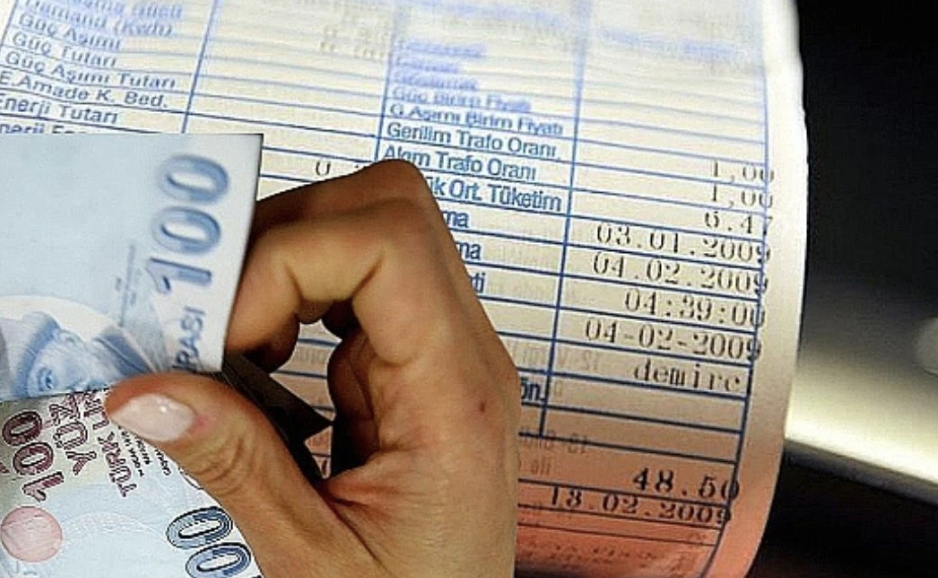 electric bill
CHP Deputy Chair Deniz Yavuzyılmaz has warned that Turkish households could soon face a “hidden electricity price hike” affecting apartment common areas such as elevators, water pumps, lighting systems, and building automation units. According to his statement, a new decision by the Energy Market Regulatory Authority (EPDK) could trigger price increases of up to 130% beginning in 2026.
130% Price Surge on Shared Electricity Meters
In a detailed warning shared on social media and later in press statements, Yavuzyılmaz revealed that the new pricing model will apply to shared electricity meters used in apartment buildings, housing cooperatives, and residential complexes.
He explained that under EPDK’s upcoming regulation, if an apartment complex’s annual shared electricity consumption exceeds 3,000 kilowatt-hours (kWh) — roughly equivalent to an annual bill of 8,000 TL — that building will be automatically reclassified into a higher tariff bracket. The result: massive increases in electricity costs for common-use areas.
“Once this decision takes effect, apartment buildings consuming more than the 3,000 kWh limit in 2025 will face huge price jumps in 2026,” Yavuzyılmaz said. “This means electricity used for elevators, water boosters, automatic lighting systems, and garden illumination will all become significantly more expensive.”
“Hidden Increases” in Monthly Apartment Fees
The CHP official described the measure as a “stealth increase” that will directly raise apartment maintenance fees (aidat) for millions of residents.
“The total electricity price hike for shared consumption will, when divided among the flats, translate into hidden monthly increases of 10%, 15%, even 20% per apartment in some buildings,” Yavuzyılmaz noted. “This will appear as a rise in building fees rather than a direct utility increase, making it less visible to the public — but no less burdensome.”
15 Million Households Could Be Affected
Yavuzyılmaz estimated that the regulation could impact 15 million households — roughly 45 million people nationwide, including families, retirees, and low-income tenants living in apartment complexes.
“This electricity price hike will hit 45 million citizens — infants, youth, the elderly, and the sick alike,” he said. “The government’s new ‘electricity hike baby’ will shock every household once again.”
The CHP lawmaker accused the ruling AK Party of implementing the change quietly through regulatory channels instead of parliamentary oversight. He called on the EPDK to reverse or postpone the measure, arguing that it amounts to an indirect tax burden on urban dwellers already struggling with inflation and high living costs.
Energy Policy Under Fire
Experts note that shared electricity meters for apartment utilities are typically charged under commercial tariffs, which are already higher than household rates. If the new EPDK classification raises those tariffs even further, maintenance costs could rise dramatically, especially in buildings with multiple elevators or large communal areas.
Opposition lawmakers argue that the government’s approach prioritizes fiscal gain over social welfare. “Instead of addressing the energy crisis through renewable solutions and production incentives, they’re passing the cost to citizens,” Yavuzyılmaz said.
The EPDK has not yet released an official statement confirming the new tariff framework, but industry sources suggest that the regulation is expected to be finalized within months and implemented from January 2026.
If adopted without amendments, the decision could make Turkey’s urban apartment residents some of the hardest hit by rising energy costs, as maintenance fees soar to reflect the new tariffs.
Related articles

Environmental effects of Turkey ‘s neoliberal strategy?

CHP Claims Planned Highway Privatization Could Trigger 300pct Toll Hikes
Energy Price Hikes in Turkey: Costs Set to Rise on April 4