



Urban Planner Warns: Kanal Istanbul Projects Threaten City’s Water Supply
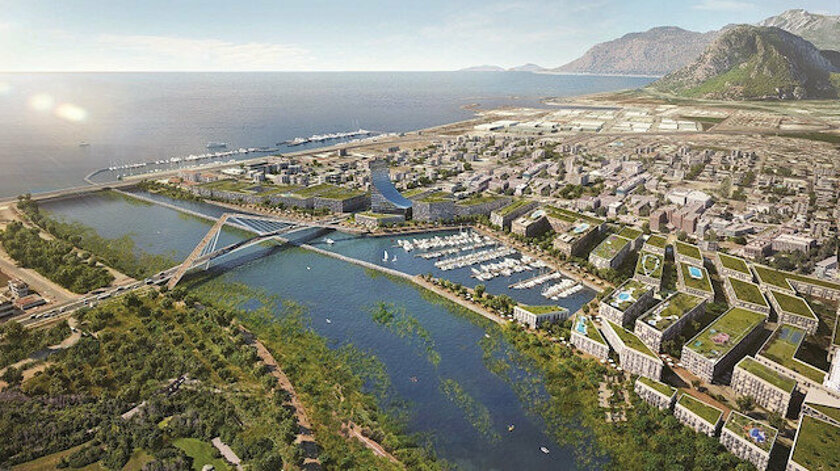 Kanal İstanbul
Nuri Cem Ceylan, Secretary of the Chamber of City Planners’ Istanbul Branch (TMMOB), has raised urgent concerns over the ongoing Kanal Istanbul and Yenişehir developments, citing new expert reports that overwhelmingly advise against the projects.
According to Ceylan, a recent court-commissioned expert report compiled 72 expert opinions — 58 of which opposed the project, amounting to nearly 80% dissent. “These reports clearly state that the project should not proceed because it harms natural ecosystems and threatens Istanbul’s vital water resources,” Ceylan told reporters. “Despite our victories in administrative courts, appeal courts continue to overturn those rulings on different grounds.”
“Even Driving a Nail Here Should Be Illegal”
Ceylan warned that the Sazlıdere Dam basin, one of Istanbul’s key water protection zones, faces destruction from unchecked construction. “In areas where even driving a single nail should be prohibited, housing developments are underway,” he said.
The Sazlıdere Dam, currently supplying water to 1.5 million people, is at risk of being rendered unusable. If lost, Istanbul would need to invest billions of liras to develop new water sources — while still paying off existing debt to İSKİ until 2039, he added.
“TOKİ Projects Legitimize Illegal Construction”
Ceylan argued that the TOKİ housing projects launched in the Kanal Istanbul corridor serve to legitimize prior unplanned development rather than address genuine housing needs. “Lands that were once pastures or farmlands owned by villagers are now being transformed into housing and shopping mall zones,” he said. “There is no clear master plan guiding these developments — they simply justify earlier investments and pave the way for future luxury projects.”
Legal Uncertainty Could Leave Investors Exposed
The urban planner warned that while legal challenges are still pending, property buyers in these areas risk major losses. “If the Council of State rules in our favor, the buildings here will not be granted occupancy permits,” Ceylan explained. “Essential utilities such as water, gas, and electricity connections could be denied. Citizens who have invested here will be left in limbo.”
2 Million More Residents Could Strain Infrastructure
Ceylan also highlighted the demographic and environmental burden posed by the proposed projects. “The current plans cover only 13% of the total area, but even at that scale, about 300,000 people would move in initially. Once fully developed, these projects could add over 2 million new residents to Istanbul,” he said.
Such population growth would drastically increase demand for infrastructure, transportation, healthcare, and water, placing immense pressure on an already strained urban system. “Instead of building new satellite cities, Istanbul’s focus should be on retrofitting and strengthening existing risky buildings,” he added.
“Resources Should Target Earthquake Safety, Not New Cities”
Ceylan criticized the allocation of public funds to the Yenişehir projects, saying the budget used for Kanal Istanbul could instead reinforce nearly 1 million at-risk homes across Istanbul. “If TOKİ’s budget had been directed toward earthquake safety, we could have addressed one of the city’s greatest threats — structural collapse during a major quake,” he said.
He concluded that the Kanal Istanbul initiative, marketed as an infrastructure milestone, instead represents a long-term risk to Istanbul’s ecology, safety, and water security — and may ultimately leave both the environment and investors worse off.