



Dollarization Accelerates as Turks Add $10 Billion to FX and Gold Holdings
 dollar
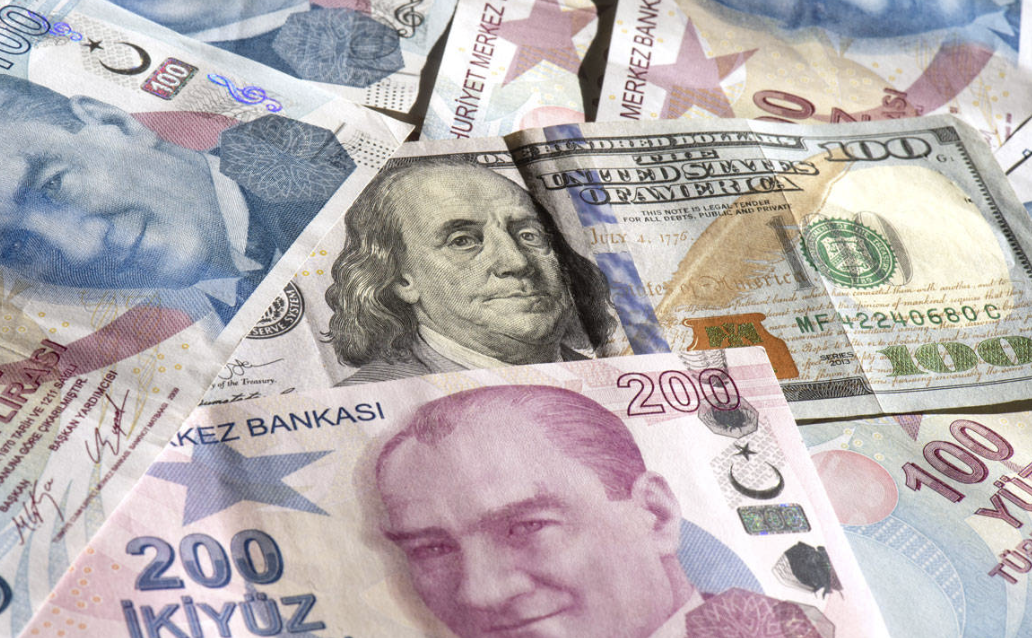
Türkiye is witnessing a renewed wave of dollarization, even as Turkish lira deposit rates remain elevated. Over the past 1.5 months, domestic investors increased their foreign currency deposits by $5.8 billion (adjusted for exchange rate effects) and poured an additional $4.2 billion into foreign-exchange-based investment funds, according to banking sector data.
Central Bank Interventions Near $10 Billion
At the same time, the Central Bank of the Republic of Türkiye (CBRT) has reportedly sold nearly $10 billion in foreign exchange to stabilize the market. The move coincided with record-high gold prices, which boosted the bank’s gross reserves to historic levels despite heavy FX intervention.
Analysts note that the rise in FX demand amid already high lira yields reflects lingering inflation expectations and investor skepticism about the pace of monetary easing.
Reserves Peak, But FX Outflows Persist
While Türkiye’s total reserves climbed to new highs—helped by valuation effects from gold—the underlying trend points to continued capital outflows and FX accumulation by residents. Economists warn that sustained dollarization could limit the effectiveness of disinflation efforts and complicate the CBRT’s monetary policy transmission.
Why Dollarization Persists
Several factors are fueling the renewed preference for hard currencies and gold:
-
Inflation still above 30%, eroding confidence in the lira’s purchasing power.
-
Political uncertainty ahead of the 2026 economic cycle.
-
Expectations of further rate cuts, which may reduce the real return on TL assets.
-
A global backdrop of stronger U.S. dollar performance and safe-haven demand.
Outlook: Policy Dilemma Deepens
Economists say the CBRT faces a delicate balance between defending the lira and supporting growth. Continued FX sales could strain liquidity and reserve adequacy if capital inflows fail to offset demand for dollars.
While the government maintains its disinflation narrative, the data suggest that domestic investors are hedging against renewed currency volatility — signaling limited confidence in the short-term stabilization outlook.
Related articles

Dollar Deposits in Turkey Drop by $1.5 Billion as Individual Holdings Shrink Sharply
Turkey’s Central Bank FX Reserves Hit 5-Week High with $4.2 Billion Surge

CBRT Karahan Signals Optimism on Inflation Outlook Despite Market Caution