ANALYSIS: Turkey’s 2026 Budget: More Taxes, More Spending
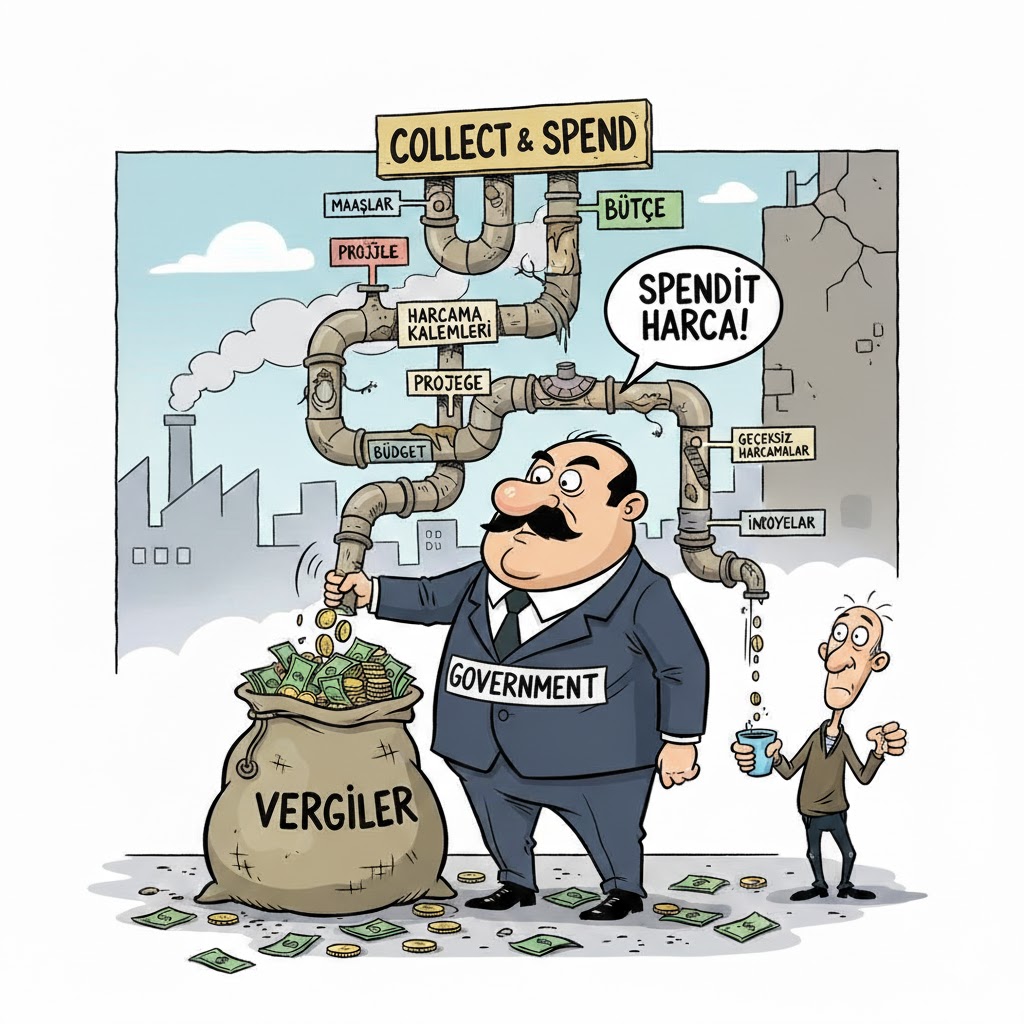 tax and spend
Summary:
The AK Party’s 2026 economic package outlines a fiscal expansion built on two pillars — higher taxes and larger public spending. The government plans to impose new levies on rental income, property transactions, and vehicle sales, while granting new borrowing powers to state housing and urban renewal agencies. Simultaneously, Ankara aims to expand welfare spending, enhance early retirement rights, and increase maternity and paternity leave as part of a broad social reform agenda.
New Fiscal Framework: Expanding Revenue Base
AKP parliamentary group leader Abdullah Güler presented the details of the new economic package, emphasizing measures designed to combat the informal economy, boost revenues, and fund large-scale social programs.
Higher Taxes on Rental Income and Real Estate
One of the most significant changes is the abolition of tax exemptions on residential rental income, except for retirees and the disabled.
-
The income tax exemption on rental earnings will be scrapped.
-
Homeowners will no longer be able to deduct mortgage interest expenses from taxable income.
-
Underreporting property values during sale or acquisition will incur a 100% penalty, up from the current 25%, to deter tax evasion.
These measures mark a clear attempt to widen the tax base and tighten oversight on real estate income — one of Turkey’s largest sources of undeclared earnings.
Türkiye’s Primary Balance Strengthens Despite Rising Interest Costs
Vehicle Transactions: New Notary Fees
For both new and used car transactions, notary service fees will now include a proportional charge of 0.2% (minimum ₺1,000).
Sectors such as jewelry, private healthcare, aviation, and precious metals trading will also be subject to annual licensing fees, further expanding the state’s fiscal reach.
Social Security and Labor Market Adjustments
-
The contribution rate for voluntary insurance and non-birth-related social security loans will rise from 32% to 45%.
-
The employer premium incentive in non-industrial sectors will be reduced from 4% to 2%, while the 5% incentive for manufacturing remains intact.
-
The upper limit for earnings subject to social security premiums will be lifted from 7.5 to 9 times the daily base wage, potentially boosting pension benefits but also raising employer costs.
Property Tax Reform Under Review
The government is finalizing a reform of property tax assessments, aimed at ending inconsistent valuations between neighborhoods.
The plan seeks to establish a fair and balanced tax regime without reducing municipal revenues.
Urban Renewal and Public Housing Expansion
The new law grants the Urban Transformation Authority the right to borrow domestically from state-owned banks until the end of 2029.
These funds will be used to finance urban renewal subsidies and earthquake reconstruction projects, particularly in the Hatay region.
Additionally, TOKİ (the state housing agency) is expected to receive extra financing for President Recep Tayyip Erdoğan’s pledge to build 500,000 low-rent social housing units by 2026.
Complementary Pension System (TES)
Scheduled for implementation in the second quarter of 2026, the Complementary Pension System (TES) aims to provide workers with a second pension income beyond the state-run SGK system.
Under the reform:
-
The Automatic Enrollment Pension Scheme will evolve into a two-tier structure with employer contributions.
-
It will enhance national savings and expand the private pension fund (BES) market.
However, the proposal granting the president power to adjust the state’s 30% pension contribution rate up to 50% — or down to zero — has sparked controversy.
Retirement and Welfare Reforms
-
The minimum contribution requirement for self-employed workers will drop from 9,000 to 7,200 days, allowing nearly one million tradespeople to retire up to five years earlier.
-
Pension calculations will be tied more closely to the number of contribution days.
-
The minimum pension payment is expected to exceed ₺18,000 in early 2026.
-
Holiday bonuses paid twice a year could also rise above the current ₺4,000 threshold.
Family and Labor Reforms
One of the most socially impactful reforms is the expansion of parental leave:
-
Maternity leave will be extended from 16 to 24 weeks,
-
Paternity leave from 5 to 15 days.
These rights will apply not only to civil servants but to all insured employees.
The government will also roll out flexible, remote, and hybrid work models across both public and private sectors, aligning labor regulations with global trends.
Minimum Wage and Wage Indexation
The Minimum Wage Commission will convene in December to set the 2026 floor wage, directly affecting around 8 million workers and indirectly influencing the entire pay structure.
The new wage level will automatically raise:
-
Overall salaries across the private sector,
-
Unemployment and severance payments,
-
Non-taxable income thresholds.
Fiscal Balancing Act
The 2026 budget reflects a delicate balance between revenue expansion and social generosity.
While new taxes and higher premiums may tighten household budgets, expanded welfare and pension benefits could partially offset these effects.
In short, Ankara is taking with one hand and giving with the other — a fiscal juggling act aimed at funding populist social spending without abandoning its commitment to deficit control.
By Atilla Yeşilada