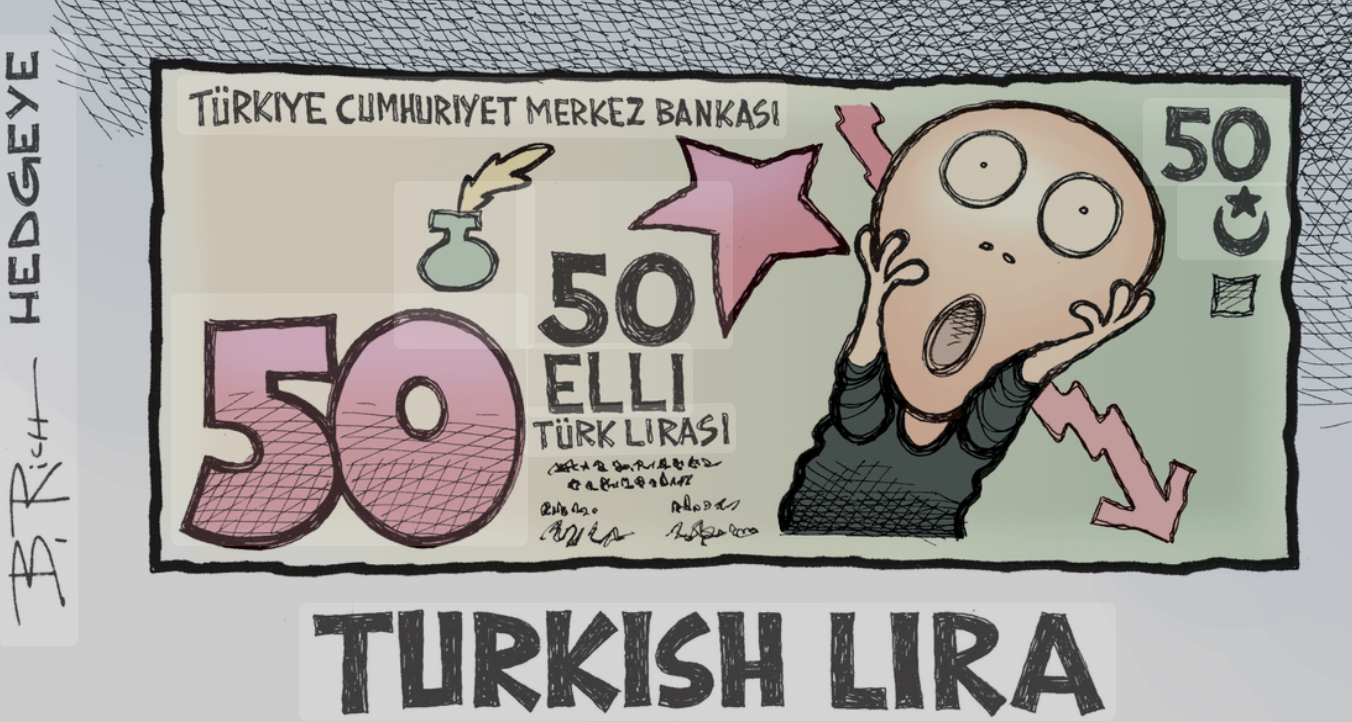
Eurozone Inflation Nears Target as Türkiye’s Rate Soars to 32%
 Eurostat
According to Eurostat’s September 2025 data, Eurozone annual inflation climbed to 2.2%, while the European Union average rose to 2.6%. Türkiye, however, recorded a staggering 32.1% inflation rate, marking the highest level across all European economies and widening the gap between Ankara and the Eurozone to its largest in years.
Eurozone Approaches ECB’s Target
The European Central Bank (ECB) appears to be achieving results from its tight monetary policy stance, as inflation across the Eurozone moves closer to the 2% target range. Eurostat’s breakdown shows that services contributed 1.49 percentage points to the overall price increase — the largest component driving inflation. Food, alcohol, and tobacco followed with a 0.58-point contribution, while energy prices declined 0.03 points, exerting a mild downward pull on the overall index.
The trend reflects a return to stability in the Eurozone, where inflation has been gradually cooling since mid-2024. Analysts note that the ECB’s consistent rate hikes and liquidity control measures have effectively reined in inflationary pressures without triggering a deep economic slowdown.
Türkiye’s Inflation Fifteen Times Higher Than EU Average
Under the Harmonized Index of Consumer Prices (HICP) framework, Türkiye’s 32.1% annual inflation stands at 15 times the European average. The next highest inflation rates were Romania (8.6%) and Estonia (5.3%), underscoring Türkiye’s unique macroeconomic challenges.
Economists attribute the persistent inflation in Türkiye to a combination of currency depreciation, wage pressures, and elevated food prices. The Turkish lira’s weakness continues to amplify import costs, while domestic demand remains robust despite tight monetary policy, keeping inflation entrenched.
Europe’s Inflation Landscape Remains Stable
In contrast, inflation across most EU countries has largely stabilized. Cyprus (0%), France (1.1%), Italy (1.8%), and Greece (1.8%) recorded the lowest rates, while Germany posted 2.4% and Spain 3.0%. These figures suggest that price growth in Europe has been largely contained, thanks to prudent fiscal measures and the ECB’s deliberate tightening cycle.
Energy Costs Fall, But Food Prices Stay Stubbornly High
A key factor in the Eurozone’s price moderation has been the decline in energy prices, which fell 0.4% year-over-year, easing cost pressures for households and industries. However, unprocessed food prices continue to rise sharply, posting a 4.7% annual increase, reflecting ongoing disruptions in global food supply chains and adverse weather conditions across Southern Europe.
Meanwhile, core inflation — which excludes volatile energy and food prices — remained steady at 2.4%, signaling that underlying price dynamics are stable but not yet fully subdued.
Policy Outlook: Europe Eases, Türkiye Tightens
While the Eurozone inches closer to price stability, Türkiye remains locked in a high-inflation environment that demands a delicate policy balance. Analysts believe the Central Bank of Türkiye (TCMB) will maintain a restrictive monetary stance through most of 2026, prioritizing inflation control over growth.
In contrast, the ECB may begin discussing gradual rate cuts if inflation remains anchored near its target, though policymakers continue to emphasize caution amid geopolitical uncertainties and persistent service-sector inflation.
The Growing Economic Divide
The latest Eurostat data underscores the sharpening divergence between Europe’s stable economies and Türkiye’s inflation-stricken market. As Eurozone inflation nears the ECB’s ideal zone, Türkiye’s elevated prices highlight the lasting impact of domestic structural imbalances, currency volatility, and supply-side constraints. Without deeper fiscal and monetary coordination, Türkiye’s inflation gap with Europe is expected to remain significant well into 2026.