



Protesters on Trial After Zorlu Holding’s Israel Investments Spark Controversy
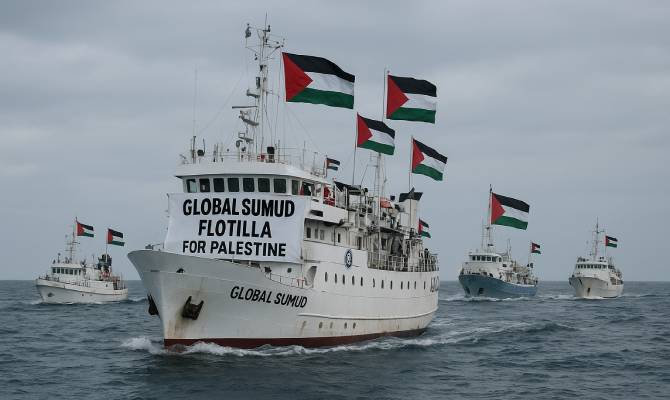 sumud flotilla
On January 28, 2024, pro-Palestinian activists organized a protest in Istanbul accusing Zorlu Holding of “supporting genocide” through its electric power investments in Israel. The rally, which took place outside the company’s facilities, alleged that Zorlu’s operations were supplying energy to Israel’s war machine during the Gaza conflict. Following the police intervention, dozens of demonstrators were detained, and prosecutors later filed charges of “unlawful assembly” and “disturbing public order.”
Among those indicted is Emine Güneş, a volunteer from the Sumud Flotilla and captain of the humanitarian aid ship “Marinette,” which had previously attempted to deliver supplies to Gaza. Güneş, now one of the defendants, has become a symbolic figure in international solidarity movements supporting Palestine.
Activists Question: “Why Are Those Opposing Genocide on Trial?”
The activists, facing charges under Türkiye’s Law on Meetings and Demonstrations, expressed frustration that while corporations accused of profiteering from war remain untouched, those who stand with Palestine are prosecuted. In a joint statement, they asked, “Why are friends of Palestine being tried while those directly complicit in genocide are protected?” They also noted that Zorlu Holding eventually withdrew its investments from Israel, but that young protesters who opposed those investments still face legal action.
Zorlu Holding’s Ties to Israel’s Energy Sector
At the time of the protest, Zorlu Energy (Zorlu Enerji) held a 42.15% stake in three Israel-based companies — Ezotech Electric Ltd., Solad Energy Ltd., and Adnit Real Estate Ltd. The conglomerate was also among the partners of the Dorad Natural Gas Power Plant, which supplies electricity directly to the Israeli Ministry of Defense. Protesters argued that these ventures effectively meant “fueling the military operations in Gaza.”
During the demonstration, banners and chants echoed the group’s accusations:
-
“End collaboration with genocidal Israel!”
-
“Zorlu Energy, withdraw from Israel!”
-
“If there’s no electricity in Palestine, there’ll be none in Israel!”
Another banner draped over Zorlu Center read, “Stop Zorlu, the energy supplier of Zionists! Raise your voice against local collaborators.”
Corporate Withdrawal and Ongoing Criticism
Following months of public backlash, Zorlu Holding announced on July 25, 2025, via the Public Disclosure Platform (KAP), that it had sold its electricity plants in Israel. The move was seen as a concession to public pressure, yet activists called it “incomplete and manipulative.” They pointed out that Zorlu still maintains partial ownership in the Dorad power station, which they claim continues to serve Israel’s defense infrastructure.
While the company emphasized that its exit was a “commercial decision” unrelated to politics, human rights advocates countered that corporate ethics cannot be divorced from humanitarian responsibility. As one activist put it, “Ending financial ties with institutions that contribute to oppression is not charity — it’s accountability.”
The Trial Continues
The court case against the protesters remains ongoing. The next hearing will include the defendants’ formal statements, with rights organizations monitoring proceedings closely. The trial is being viewed as a test of Türkiye’s stance on freedom of assembly and political expression, especially regarding public demonstrations in solidarity with Palestine.
Legal observers say that while the protest was technically unauthorized, the moral and political context — a demonstration against alleged complicity in war crimes — places the case within a broader debate about civil disobedience and corporate accountability in Türkiye.
Broader Implications: Corporate Ethics Under Scrutiny
The Zorlu case highlights growing pressure on multinational companies to align business practices with ethical standards, especially when operating in politically sensitive regions. Human rights groups argue that Türkiye’s private sector must reassess its foreign partnerships in light of humanitarian concerns.
For now, activists like Emine Güneş stand trial not only for participating in a protest but also as representatives of a wider moral struggle — one that questions how far economic interests can go before they become complicit in human suffering.