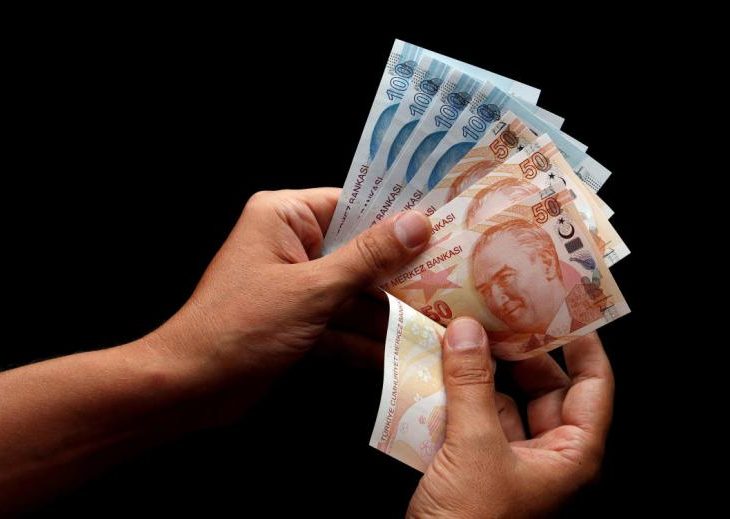
Turkey’s Minimum Wage Commission to Set 2026 Pay in December — Analysts Warn Hike May Fall Short
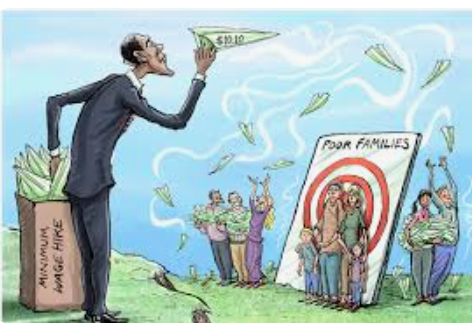 minimum wage
Economists expect a 20–25% rise, well below public expectations as living costs surge
Turkey’s Minimum Wage Commission will meet in December to determine the new minimum wage for 2026. While global banks project an increase of around 20–25%, analysts warn that such a raise would fall far short of public expectations amid soaring rents, food prices, and energy bills.
December Meeting to Decide 2026 Minimum Wage
The Minimum Wage Determination Commission will convene next month to decide Turkey’s new base salary for 2026. The decision, as every year, is expected to balance government policy priorities, inflation forecasts, and labor market pressures — but this time, the stakes are higher.
Economists note that the expected wage increase may not keep pace with inflation or workers’ cost-of-living burdens. Turkey’s official inflation remains high, with core prices rising faster than headline figures and food inflation hitting double digits for most of the year.
Global Banks Expect a 20–25% Increase
U.S. investment bank J.P. Morgan, which correctly forecast the 2025 minimum wage, now expects a 20% rise for 2026.
Morgan Stanley projects a slightly wider range of 20–25%.
Turkish economists view these projections as “realistic” given fiscal constraints and the government’s effort to avoid further wage-driven inflation.
However, they also stress that these figures are well below what the public considers livable.
Public Wants a Minimum Wage Above ₺30,000
According to a nationwide poll by ASAL Research, citizens’ expectations far exceed those forecasts.
When asked what the 2026 minimum wage should be:
-
25.8% of respondents said ₺30,000
-
24% said ₺32,000 or higher
More than half of the population believes any wage below ₺30,000 would be insufficient.
With average rents now exceeding ₺15,000 in major cities and basic food inflation running well above official averages, a 20–25% adjustment — which would lift the net minimum wage to around ₺26,000–₺27,000 — is widely seen as inadequate.
Wage Scenarios: What’s on the Table
Economists and labor groups are already calculating likely outcomes. Based on current models, the possible wage levels for 2026 are:
| Increase (%) | New Minimum Wage (₺) |
|---|---|
| 15% | 25,419 |
| 20% | 26,524 |
| 25% | 27,630 |
| 30% | 28,735 |
| 35% | 29,840 |
| 40% | 30,945 |
| 45% | 32,050 |
| 50% | 33,156 |
If the Commission approves a 20–25% increase, the new wage will likely fall between ₺26,000 and ₺27,000.
That figure would represent only a marginal improvement in real purchasing power, given that consumer prices have risen more than 70% over the past 18 months, according to independent economists.
Analysts Warn: “Falling Purchasing Power Will Slow Growth”
Economists warn that keeping wage growth below inflation could hurt both workers and the broader economy.
“A minimum wage below ₺30,000 would drag millions of households below the real cost of living and weaken domestic demand,” said one Istanbul-based analyst.
“Falling purchasing power doesn’t just hurt workers — it slows overall economic growth.”
Experts argue that Turkey’s consumption-led growth model depends heavily on the spending capacity of lower- and middle-income households.
If wages stagnate, they say, retail sales, small business activity, and even industrial output could feel the impact by early 2026.
Balancing Act: Inflation, Fiscal Policy, and Political Pressure
The Commission’s decision will test Ankara’s ability to balance economic discipline with social expectations.
The government has pledged to curb inflation while maintaining social stability ahead of local elections in 2026. However, higher wages could add pressure to fiscal spending and corporate margins, particularly in labor-intensive sectors such as textiles, retail, and food processing.
Labor unions, meanwhile, have already called for a net minimum wage of at least ₺32,000, citing the rise in utility bills and rent inflation.
Business groups warn that excessive increases could trigger layoffs in the formal sector and accelerate the shift to informal employment.
The Broader Picture: A Nation Struggling with Living Costs
Turkey’s per capita income has risen in nominal terms, but real wages have lagged behind inflation for most of the past three years.
Despite a stronger lira and modest improvement in foreign investor sentiment, household confidence remains low. Surveys indicate that nearly 70% of Turkish workers consider themselves financially “worse off” than a year ago.
Economists say this dynamic underscores the urgency for a balanced wage policy that sustains consumption without fueling another inflation spiral.
What Comes Next
The Minimum Wage Commission, composed of representatives from the government, employers, and labor unions, is expected to begin deliberations in early December. A final decision is likely before year-end.
Historically, the first round of talks sets the tone for negotiations. If consensus cannot be reached, the government has the authority to impose a final figure.
Workers’ unions have already signaled they will reject any figure below ₺30,000, while employers are lobbying for moderation, citing high production costs and declining profit margins.
Source: ASAL Research, J.P. Morgan, Morgan Stanley, Ministry of Labor
IMPORTANT DISCLOSURE: PA Turkey intends to inform Turkey watchers with diverse views and opinions. Articles on our website may not necessarily represent the views of our editorial board or count as endorsement.
Follow our English language YouTube videos @REAL TURKEY: https://www.youtube.com/channel/UCKpFJB4GFiNkhmpVZQ_d9Rg
And on Twitter: @AtillaEng
Facebook: Real Turkey Channel https://www.facebook.com/realturkeychannel/
Related articles

Eurostat: Turkey Falls Into Europe’s Lowest Minimum Wage Tier

The world economy has to be on the lookout for potential risks in the post-COVID-19 era
Morgan Stanley CBT Preview: Keeping Pace