Trump: “We’re Talking About Rebuilding Gaza, Not Two States”
 TRUMP
TRUMP
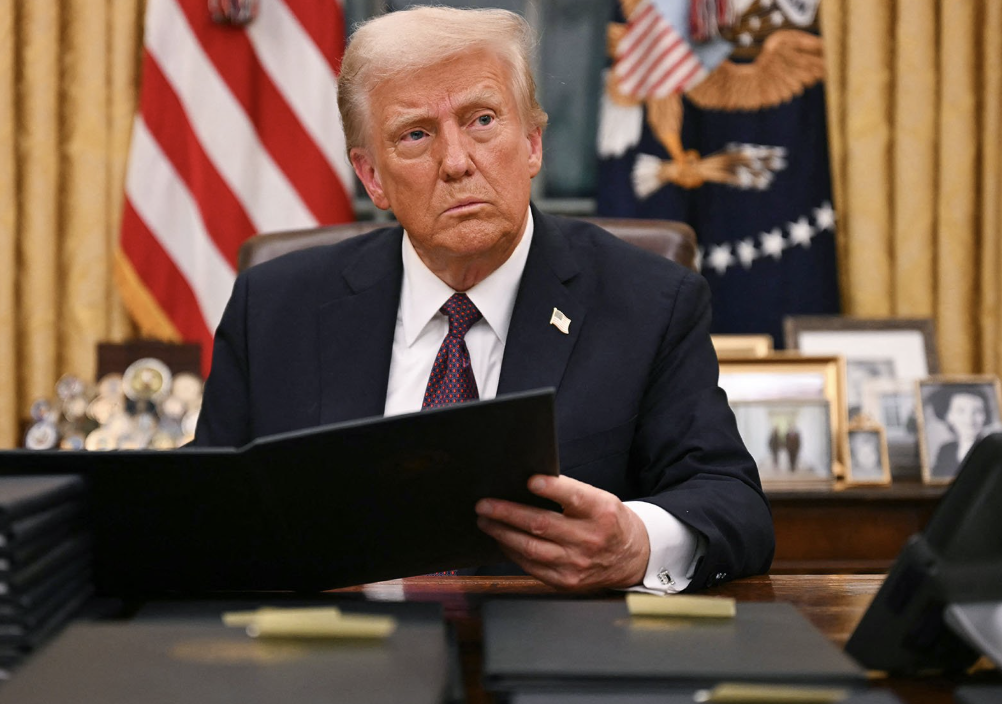
On his flight back to Washington from the Sharm el-Sheikh Peace Summit in Egypt, U.S. President Donald Trump spoke to reporters about the ceasefire in Gaza and his vision for the region’s future. The summit, attended by global leaders including Egyptian President Abdel Fattah el-Sisi and Turkish President Recep Tayyip Erdoğan, marked a rare moment of broad international coordination after months of devastating conflict in Gaza. Trump’s remarks revealed a shift in tone — away from abstract political formulas and toward immediate postwar reconstruction.
“Many People Want a One-State Solution”
When asked how Gaza’s governance should look in the future, Trump avoided committing to a political framework. “We’ll see. Many people want a one-state solution. Some want a two-state solution,” he said. But his own focus, he emphasized, is not on statehood debates but on rebuilding: “I’m not talking about one state or two states — we’re talking about rebuilding Gaza.”
His response suggests a pragmatic approach, one centered on humanitarian and infrastructure recovery rather than the diplomatic models that have long dominated Middle East peace talks. Trump framed the issue as a moral and logistical challenge rather than an ideological one, hinting that economic stability and reconstruction could precede political resolution.
Coordinating with Arab Nations
Asked how he plans to navigate differing policy views between Washington and Arab nations, Trump replied, “I decide what I think is right, but I move forward in coordination with other states.” The statement underscores his transactional, leadership-driven style — asserting U.S. autonomy while recognizing the necessity of regional cooperation. Analysts note that this tone signals an effort to balance U.S. initiative with collective diplomacy, especially given Egypt and Qatar’s crucial mediation roles in the Gaza talks.
“Our Timing Was Perfect”
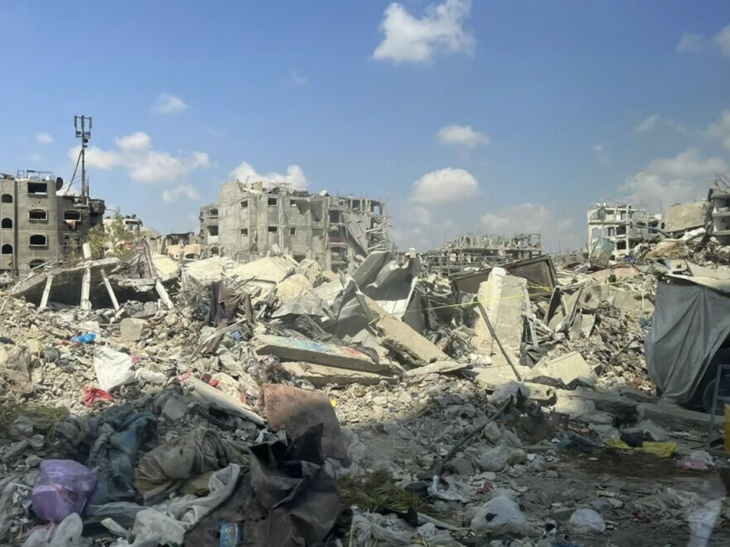
Responding to suggestions that declaring a ceasefire was premature, Trump rejected the idea that more fighting would yield better results. “Do you want more people to die? You’re saying they should fight for a few more years, that buildings should keep collapsing on people? We did it the right way. I think our timing was perfect,” he said. The remark encapsulates Trump’s characteristic defiance — positioning himself as a leader who acts decisively against bureaucratic hesitation. His “perfect timing” comment also frames the ceasefire as both a humanitarian necessity and a political victory, cutting short a war that had already reached catastrophic proportions.
Praise for Erdoğan and His Mediation Role
When a journalist asked about President Erdoğan’s mediation efforts between Russia and Ukraine, Trump responded, “Yes, Erdoğan is respected by Russia.” He went on to praise the Turkish leader, saying, “I have a great relationship with Erdoğan. I can only get along with tough people. I can’t get along with the weak.” Trump’s remarks reflect a consistent admiration for assertive leadership styles and underline the strategic rapport between Washington and Ankara despite their policy differences. He also thanked Erdoğan for his support in the Gaza ceasefire process, calling him “a great man with a very strong army and nation.”
The Gaza Ceasefire Framework
The truce in Gaza, announced by Trump on October 9, followed intense negotiations hosted by Egypt. The plan, approved by both Israel and Hamas, officially went into effect on October 10 after Israel’s cabinet endorsement. The deal’s first phase included a complete cessation of hostilities, the exchange of prisoners, and the entry of humanitarian aid — milestones that the Sharm el-Sheikh summit was designed to reinforce. Trump described the outcome as “a necessary and historic breakthrough”, one that brings the region closer to “long-term peace and prosperity” after years of war.
A Summit of Cautious Optimism
The Sharm el-Sheikh Peace Summit, attended by numerous heads of state and senior representatives, aimed to secure an international framework for Gaza’s reconstruction and ensure sustained monitoring of the ceasefire. While Trump’s remarks downplayed political architecture, his emphasis on rebuilding signals a U.S. intention to lead the post-conflict phase — potentially through infrastructure funding, humanitarian coordination, and regional partnerships.
Trump’s blunt rhetoric — dismissing delay as inaction and calling the timing “perfect” — positions the ceasefire as a defining moment for his foreign policy legacy. Yet questions remain over whether this focus on reconstruction, absent a clear political roadmap, can deliver lasting stability.
As Air Force One descended toward Washington, Trump’s tone blended confidence and caution. His parting words — “We’re talking about rebuilding Gaza” — summed up a philosophy rooted not in diplomacy’s abstractions but in visible, tangible action. For now, the world watches whether this ceasefire becomes a foundation for peace or just another pause in a cycle of destruction.
Related articles
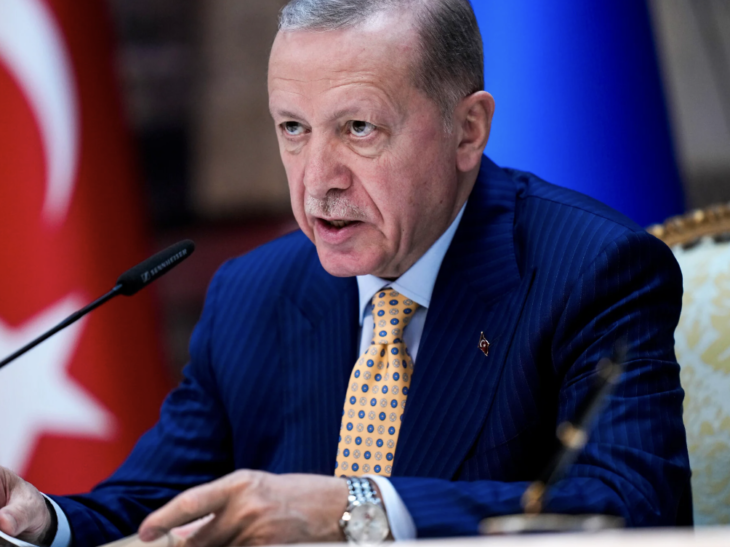
Erdoğan at Sharm el-Sheikh: Truce on the Table, Hard Questions Ahead

Atilla Yesilada: 2026 Investment Outlook: Navigating Global Shocks and Turkey’s High-Growth Themes
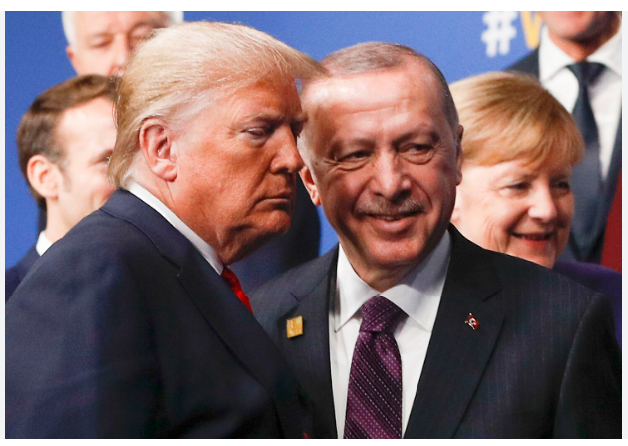
OPINION: Trump’s Praise for Erdoğan: What Lies Behind the Flattery?