Turkey Posts Record $5.5 Billion Current Account Surplus in August
 Mehmet Şimşek
Turkey has recorded the largest monthly current account surplus in its history, signaling a major turnaround in the country’s external balances. According to Treasury and Finance Minister Mehmet Şimşek, the current account posted a $5.455 billion surplus in August 2025, marking a sharp improvement from the heavy deficits seen in previous years.
Announcing the data on social media, Şimşek highlighted that the annual current account deficit had narrowed to $18.3 billion, representing a $37.6 billion improvement compared to May 2023. “Our need for external financing is decreasing, and our macro-financial resilience is strengthening,” the minister said.
Record Surplus, Stronger External Position
The August surplus marks a milestone for Turkey’s rebalancing efforts. It reflects both strong export performance and a slowdown in import growth, supported by tighter monetary policy and declining domestic demand. The surplus — the highest monthly figure ever recorded — pushed the 12-month rolling current account deficit down to its lowest level in nearly a decade.
“Turkey recorded a $5.5 billion current account surplus in August, the highest in our history,” Şimşek wrote. “As a result, our annual current account deficit fell to $18.3 billion, an improvement of $37.6 billion since May 2023.”
External Financing Need to Drop from 23% to 17% of GDP
Şimşek emphasized that the government’s tight fiscal and monetary stance is paying off. “We estimate that Turkey’s gross external financing requirement, which was 23% of GDP in June 2023, will decline to around 17% in 2025,” he said, describing this as a key step toward macroeconomic stability.
Economists view the decline in the current account gap as critical for reducing external vulnerability, improving investor sentiment, and attracting long-term capital inflows. Lower financing needs mean less reliance on volatile short-term capital and a stronger currency buffer against external shocks.
Policy Discipline Behind the Recovery
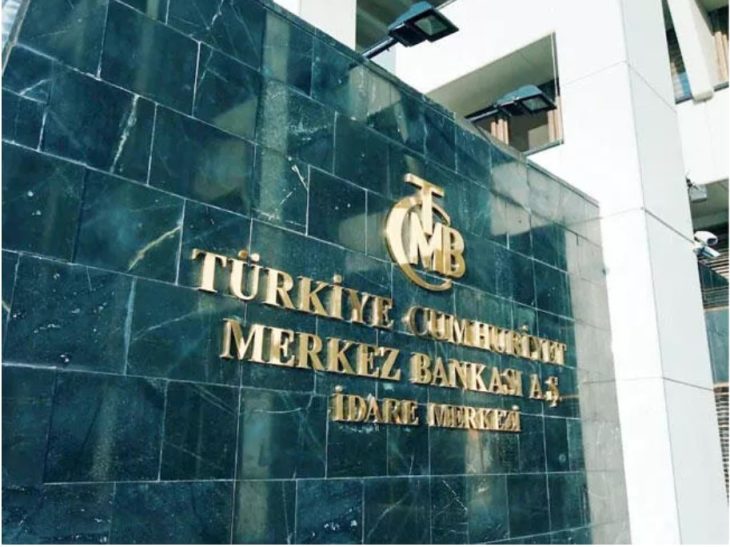
Analysts attribute the improvement largely to a combination of policy tightening, exchange rate stability, and export growth in key sectors such as automotive, energy, and manufacturing. The Central Bank of Turkey’s interest rate hikes and restrictive credit measures have curbed import demand, while a more favorable global environment has supported export revenues.
The government’s fiscal discipline has also played a role. Reduced public spending growth and better tax collection have eased pressure on external accounts, aligning with the Medium-Term Program’s (OVP) goal of restoring balance in trade and finance.
What It Means for the Turkish Economy
The record surplus and narrowing current account deficit are seen as signs that Turkey’s economic rebalancing strategy — centered on fighting inflation, restoring credibility, and rebuilding reserves — is beginning to yield tangible results.
If the trend continues, the current account deficit could fall to near single digits by mid-2026, according to market forecasts. This would significantly reduce Turkey’s dependence on external borrowing, a long-standing structural weakness.
Still, challenges remain. Sustaining the surplus will require maintaining price stability, supporting export competitiveness, and preventing a resurgence in import demand once growth accelerates.
Şimşek: “Macroeconomic Resilience Is Strengthening”
Minister Şimşek reiterated that the improvement in the current account is not temporary. “We are on a sustainable path toward stronger financial stability,” he said, reaffirming the government’s commitment to orthodox economic policies.