SDF Agrees to Join Syrian Army Under U.S.-Brokered Deal
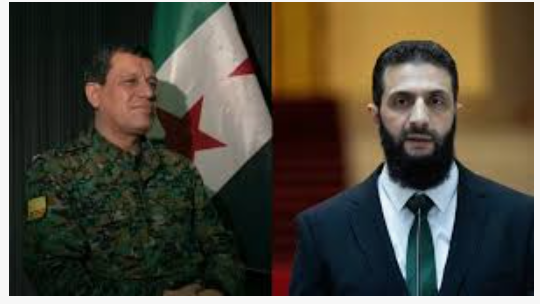 el sara-mazlum abdi
Syria’s Kurdish Deal Could Reignite Turkey’s Own Peace Process
Mazloum Abdi, commander of the Syrian Democratic Forces (SDF), announced a preliminary agreement with Damascus to integrate his Kurdish-led forces into the Syrian Defense and Interior Ministries. The deal, reached under U.S. mediation, marks a major step toward post-war normalization in Syria — and could reshape the future of Turkey’s Kurdish peace efforts.
Integration Talks Move Forward in Damascus
Syria’s long-stalled political landscape is beginning to shift. SDF commander Mazloum Abdi confirmed this week that his forces have reached a “preliminary agreement” with President Ahmad al-Sharaa’s government on the framework for integrating the SDF and internal security units into Syria’s official military and police structures.
Talks are taking place in Damascus, involving senior military and security delegations from both sides. The move builds on a March 10 accord between Abdi and al-Sharaa, which called for the gradual transfer of civilian and military institutions from the Kurdish self-administration in northeast Syria to national control by the end of 2025. That agreement also included the transfer of border crossings, one airport, and key oil and gas facilities to Damascus.
Implementation, however, has been slow, marred by mutual accusations of bad faith and diverging priorities. Abdi has long sought constitutional guarantees for Kurdish rights and local governance within a decentralized Syrian state — a demand the new authorities have yet to fully endorse.
Washington’s Hand in Preventing New Conflict
The latest breakthrough follows intense mediation by the United States, which stepped in to prevent escalating clashes between SDF units and Syrian security forces. A week before the announcement, Abdi and al-Sharaa met in Damascus in the presence of U.S. envoy Tom Brauer and CENTCOM commander General Brad Cooper.
According to Abdi, the recent talks were marked by a “shared determination” to accelerate implementation of the March agreement. “The new aspect of our discussions in Damascus,” he said, “is the joint will to expedite the integration of SDF and Kurdish internal security forces into the framework of the Ministries of Defense and Interior.”
Under the preliminary arrangement, the SDF’s roughly 100,000 fighters will be restructured into new formations under the Defense Ministry. Abdi confirmed that the force will retain its “historical name” to honor its “heroic battles against ISIS and aggressors in the region.”
A Fragile Post-Assad Order
The deal is a milestone for Syria’s fragile new administration, which has struggled to consolidate control since the ouster of Bashar al-Assad in December 2024. The new government, led by President Ahmad al-Sharaa and backed by former commanders of Hayat Tahrir al-Sham (HTS), has received cautious international recognition but faces deep internal divisions and resistance from minority communities — particularly in Kurdish-dominated regions.
Fighting between SDF and government units in Aleppo last week nearly triggered full-scale urban warfare. Only after Washington’s intervention did the two sides agree to a comprehensive ceasefire, which was announced on Tuesday. Syrian officials now describe the integration plan as essential to restoring “national unity and stability.”
Turkey’s Critical Role in the Negotiations
Turkey, which remains the most powerful regional player in northern Syria, has been closely monitoring the process. Ankara has launched multiple military operations since 2016 to push Kurdish forces away from its border and continues to classify the SDF as a terrorist organization linked to the disbanding Kurdistan Workers’ Party (PKK).
President Recep Tayyip Erdoğan welcomed the news cautiously, urging the SDF “to honor its commitments and complete its integration.” Turkish Defense Minister Yaşar Güler went further, insisting that the group “must surrender its weapons unconditionally.”
Syrian officials confirmed that a security delegation visited Ankara on Sunday to discuss counterterrorism cooperation — a rare development hinting at possible coordination between Ankara and Damascus on managing the Kurdish file. Analysts believe Turkey could leverage its influence over the new Syrian leadership to ensure the SDF’s demilitarization and the neutralization of remaining PKK-linked networks along the frontier.
Oil, Autonomy, and the Future of the North
While the ceasefire and integration deal have eased tensions, major issues remain unresolved. Control over oil and gas resources in northeastern Syria — which produce the bulk of the country’s energy — has yet to be formally negotiated.
Abdi said the matter “will certainly be addressed in upcoming meetings,” emphasizing that “oil and underground resources belong to all Syrians and their revenues should be distributed fairly among all provinces.”
For President al-Sharaa, regaining control of these resources is vital to financing Syria’s reconstruction and rebuilding state institutions. Yet Kurdish leaders fear that without constitutional reforms protecting local governance, economic centralization could marginalize their communities once again.
A Possible Turning Point for Turkey’s Peace Process
Beyond Syria, the integration of Kurdish forces into the national army could have ripple effects across the border. Ankara’s policymakers are watching closely whether Mazloum Abdi’s reconciliation with Damascus can serve as a model for resolving long-standing Kurdish grievances through institutional inclusion rather than insurgency.
If the SDF’s transition from an autonomous militia into a recognized state entity succeeds, it may revive calls within Turkey for a renewed Kurdish peace process, frozen since 2015. Turkish security circles already view a stable, demilitarized Syrian Kurdish region as a potential buffer that could reduce cross-border tensions and weaken PKK recruitment.
However, Turkish analysts caution that the political climate remains fragile. The Erdoğan administration faces nationalist pressure to avoid any perception of concessions to Kurdish movements. For peace to return both in Syria and Turkey, the model taking shape in Damascus must demonstrate that coexistence and constitutional recognition are viable alternatives to endless war.
Cautious Optimism Amid Regional Complexity
The U.S. and France continue to mediate between Kurdish and Arab factions within Syria’s transitional framework, while Russia remains conspicuously silent — signaling a possible recalibration of influence after Assad’s fall.
For now, Abdi insists that “the common points we have reached understanding on surpass the points of contention.” Both sides, he added, agree on preserving the unity of Syrian territory, the independence of political decisions, and the fight against terrorism.
Whether this newfound pragmatism can hold amid competing regional interests will determine not only the fate of post-war Syria but also the future of Ankara’s uneasy coexistence with Kurdish aspirations across the region.
Source: Khaled Yacoub Oweis, Amman — October 12, 2025, The National, Syrian press
PA Turkey intends to inform Turkey watchers with diverse views and opinions. Articles on our website may not necessarily represent the view of our editorial board or count as endorsement.
Follow our English-language YouTube videos @ REAL TURKEY:
👉 YouTube: Real Turkey Channel
👉 Twitter: @AtillaEng
👉 Facebook: Real Turkey Channel
Related articles
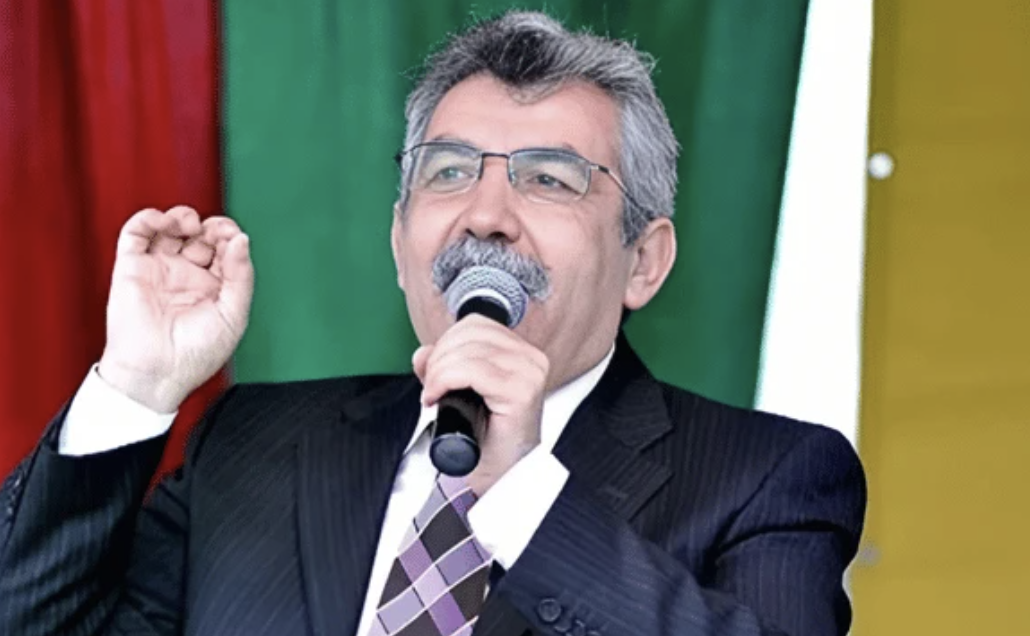
KCK Leader Zübeyir Aydar: True Peace in Turkey Requires Constitutional Reform and Mutual Commitment
Atilla Yesilada video: Turkish economy sailing into perfect storm |
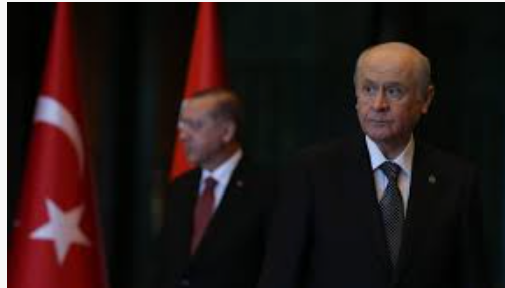
BREAKING: Erdogan ally Bahceli threatens to quit the alliance in strongest warning to Erdogan