Netanyahu Skips Sharm El-Sheikh Peace Summit
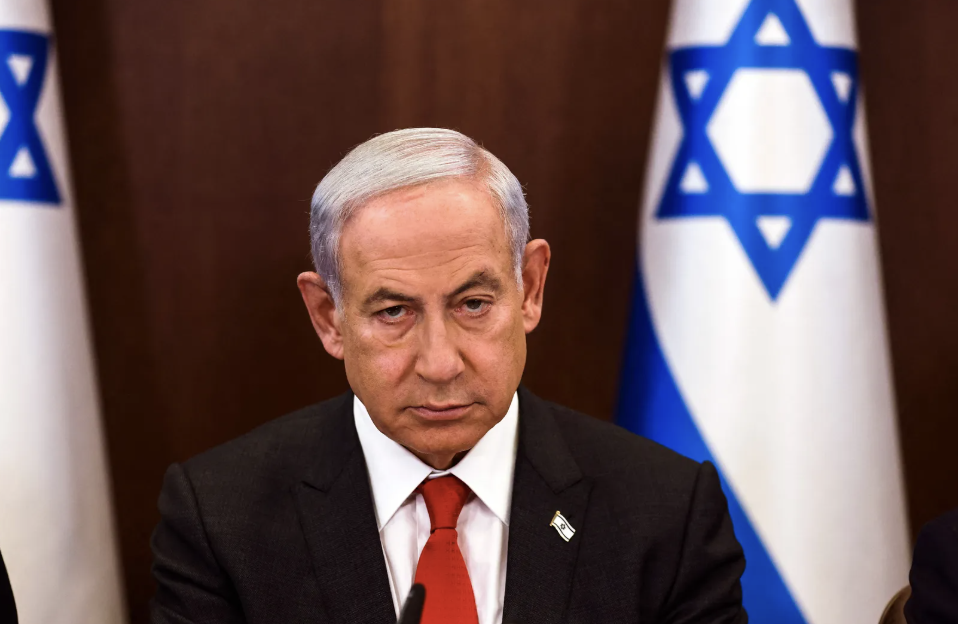 Netanyahu
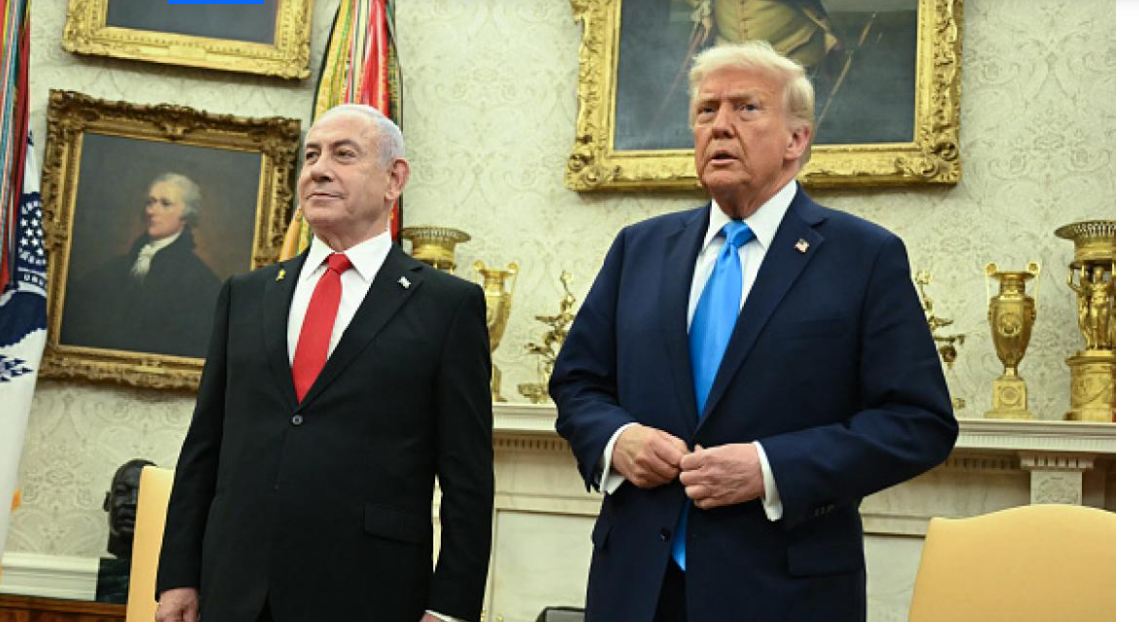
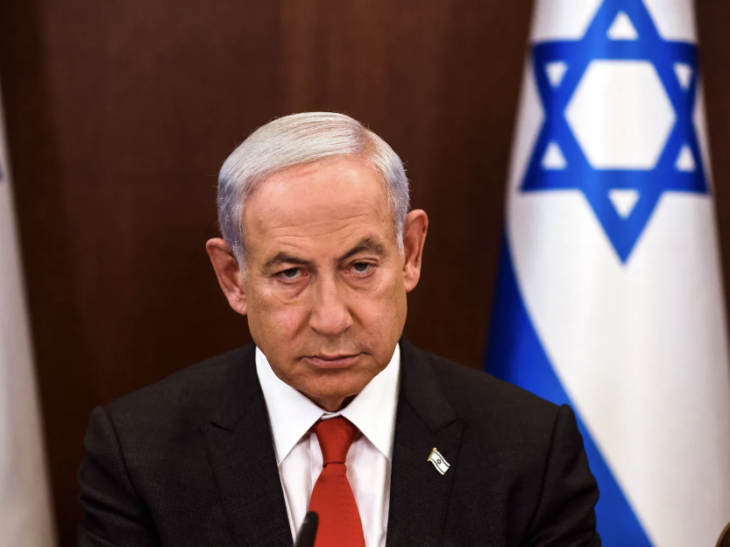
Israeli Prime Minister Benjamin Netanyahu will not attend the upcoming “Peace for Sharm El-Sheikh Summit”, despite earlier reports suggesting his participation. The Prime Minister’s Office confirmed that Netanyahu’s absence is due to the summit coinciding with Shabbat, the Jewish day of rest — a timing that risks friction with ultra-Orthodox parties in his governing coalition.
In a statement, Israeli officials explained that several ultra-Orthodox lawmakers had expressed objections, saying the trip “does not justify violating the sanctity of Shabbat.” The decision comes amid growing political sensitivity within Netanyahu’s fragile coalition, where religious parties wield significant influence.
Religious Politics Overshadow Diplomacy
Observers say Netanyahu’s decision underscores the growing power of religious parties in Israeli politics, particularly as tensions rise over how the government handles both domestic religious affairs and international diplomacy. The Prime Minister’s Office reportedly assessed that attending the summit — scheduled during the Shabbat period — could provoke a coalition crisis at a time when Netanyahu’s government already faces internal dissent and mounting international pressure.
Trump and Sisi Host “Peace for Sharm El-Sheikh”
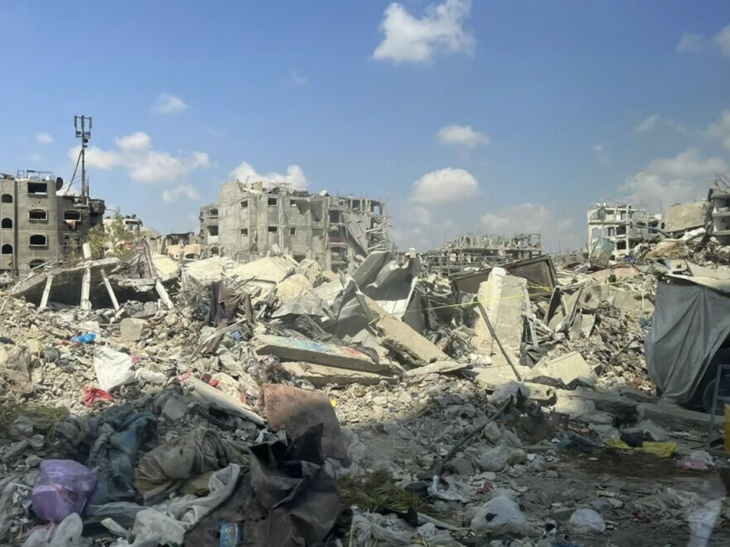
The summit, co-hosted by U.S. President Donald Trump and Egyptian President Abdel Fattah el-Sisi, marks the most ambitious regional peace effort since the Gaza conflict began two years ago. According to the Egyptian Presidency, the event aims to “end the war in Gaza, strengthen peace and stability in the Middle East, and open a new era for regional security.”
The 20-point peace framework being discussed reportedly mirrors Trump’s proposed plan for a long-term ceasefire, regional normalization, and the reconstruction of Gaza. As The Guardian reported, discussions will focus on maintaining the current ceasefire, securing permanent hostage exchanges, and developing a sustainable governance model for post-war Gaza.
High-Profile Attendance
The summit will host leaders from more than 20 nations, signaling the strongest multilateral engagement in the region in years. Among the confirmed attendees are:
-
Donald Trump – President of the United States
-
Abdel Fattah el-Sisi – President of Egypt
-
Recep Tayyip Erdoğan – President of Turkey
-
Mahmoud Abbas – President of the Palestinian Authority
-
Sheikh Tamim bin Hamad Al Thani – Emir of Qatar
-
Emmanuel Macron – President of France
-
Keir Starmer – Prime Minister of the United Kingdom
-
Pedro Sánchez – Prime Minister of Spain
-
Giorgia Meloni – Prime Minister of Italy
-
António Guterres – UN Secretary-General
-
King Abdullah II – Jordan
-
Ilham Aliyev – Azerbaijan
-
Friedrich Merz – Germany’s opposition leader
The agenda includes the reconstruction of Gaza, regional security coordination, and long-term stabilization efforts to prevent future escalations. The summit is also expected to explore economic initiatives to rebuild war-torn areas and foster inter-regional cooperation.
Notable Absences: Iran and Hamas
Despite initial invitations, Iranian and Hamas officials have declined to attend. Iranian Foreign Minister Abbas Araghchi announced on X (formerly Twitter):
“Neither President Pezeshkian nor I will sit at the same table with those who attack the Iranian people and threaten our sovereignty.”
Tehran’s refusal highlights the deep fractures within regional diplomacy, even as most international actors push for a ceasefire-based peace process. The absence of Hamas, meanwhile, complicates discussions on Gaza’s political future — a key point of contention between Western powers, Arab nations, and Israel.
Erdoğan to Attend, Netanyahu to Stay Home
Turkey’s President Recep Tayyip Erdoğan confirmed his participation, signaling Ankara’s intent to play an active role in post-conflict diplomacy. Erdoğan is expected to advocate for Palestinian statehood, regional stability, and a humanitarian reconstruction plan backed by international aid.
Netanyahu’s absence, however, risks leaving Israel’s position underrepresented at a summit where many allies — including the U.S., Egypt, and European leaders — will seek to define the next phase of the Middle East peace process. Analysts suggest that skipping the summit could isolate Israel diplomatically, particularly as the world’s attention shifts toward post-war rebuilding efforts in Gaza.
A Critical Turning Point
The Sharm El-Sheikh Peace Summit represents a pivotal opportunity to reset the regional order after two years of devastating conflict. Yet the absence of key actors — notably Israel, Iran, and Hamas — underscores how fragile the road to peace remains.
As world leaders convene under the slogan “Peace for Sharm El-Sheikh,” the challenge lies in transforming temporary ceasefires into a lasting framework for coexistence. Whether or not Israel’s seat remains empty, the summit could mark the beginning of a new geopolitical chapter in the Middle East — one that redefines alliances, priorities, and the very architecture of regional security.