Timothy Ash: Turkey’s Economy Is on the Right Path, But Inflation Remains the Real Test
 Timothy Ash
The 4th Transforming Leadership Summit, hosted by EKONOMİ Gazetesi in partnership with PwC and Sabancı Holding, brought together 250 of Turkey’s top business leaders and academics in Sapanca from October 9 to 11. Under the theme “Winning Today Amid Tomorrow’s Uncertainty,” the summit explored the nature of uncertainty in global markets, leadership in volatile times, and the business models reshaping the future.
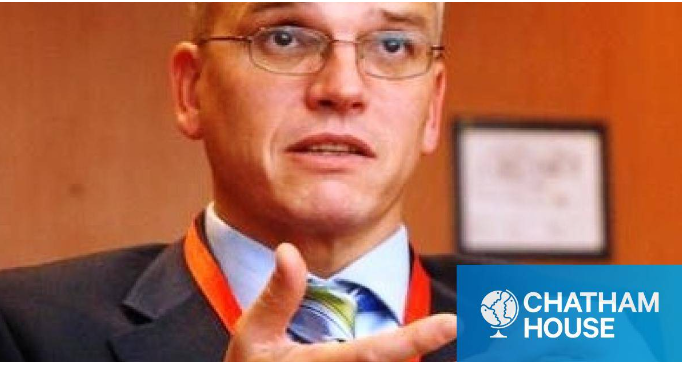
The event’s keynote speaker was Timothy Ash, a London-based economist and a leading expert on emerging markets across Europe, the Middle East, and Africa. In a session titled “Investment Climate in Turkey from a Foreign Perspective,” moderated by EKONOMİ columnist and TOBB ETÜ faculty member Assoc. Prof. Atılım Murat, Ash shared candid insights on Turkey’s monetary policy, inflation trajectory, and investor sentiment.
“Turkey’s Economic Management Is Improving, but the Easing Came Too Soon”
Ash began his remarks by acknowledging the recent progress in Turkey’s economic management, noting that authorities “have done a good job overall.” However, he argued that interest rates were liberalized too early, and inflation remains the most persistent challenge. “It was easy to bring inflation down from 70% to 40%, but going lower will be much harder,” he said. “To achieve further reduction, Turkey will need to sacrifice some growth.”
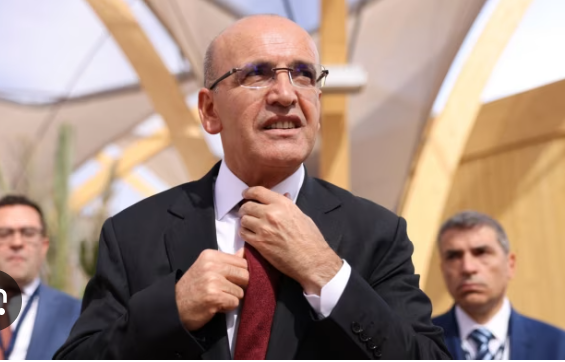
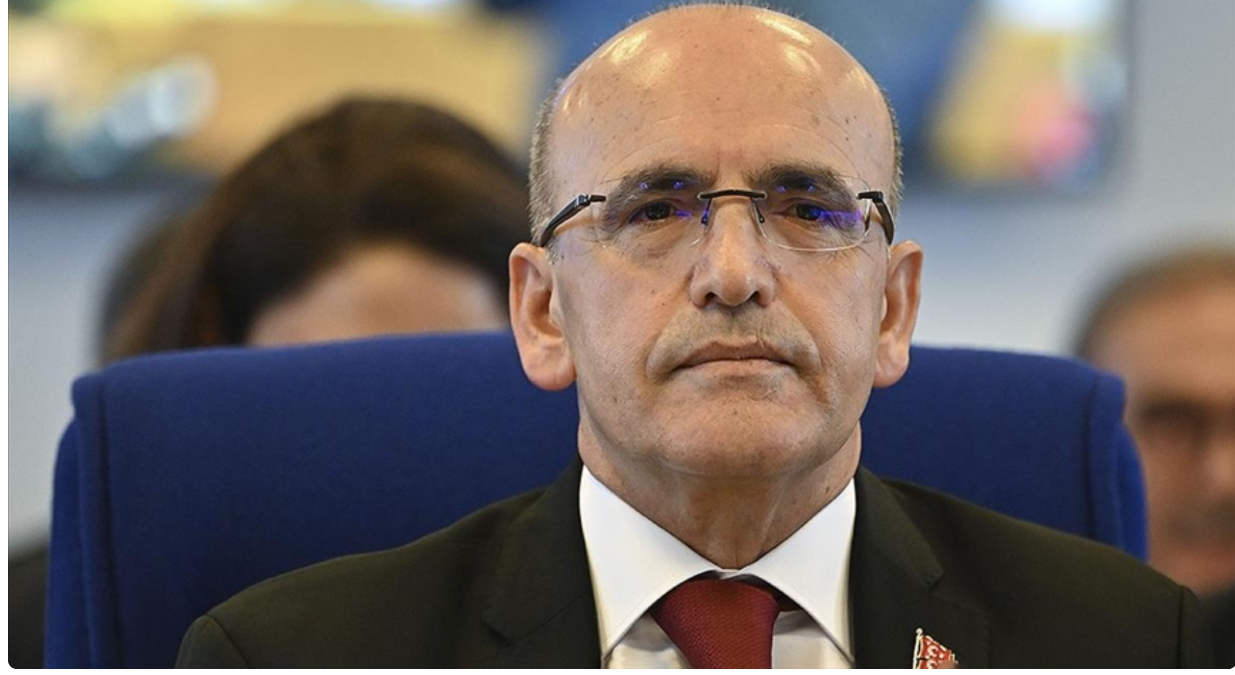
Reflecting on the recent turnover in the Central Bank of Turkey (CBRT) leadership, Ash highlighted growing investor confidence in the current economic team. “Investors love Mr. Cevdet,” he said, referring to Treasury and Finance Minister Mehmet Şimşek’s strong leadership and the stability signaled by reappointing CBRT Governor Fatih Karahan. “It sent a positive message. If I were in their position, I’d stay on the hawkish side,” Ash remarked, emphasizing the importance of maintaining tight monetary policy.
“If I Were CBRT Governor, I Wouldn’t Have Cut Rates”
According to Ash, monetary policy remains too tight, and Turkey’s competitiveness is under strain. “If I were the CBRT Governor, I’d stay hawkish and wouldn’t have reduced rates this much,” he said. Recalling the political turbulence in March, Ash noted that it had shocked the markets but ultimately strengthened Turkey’s fiscal and political stance. “They gained political capital, which allowed them to remain hawkish longer,” he added.
He warned that achieving meaningful disinflation without slowing growth is unrealistic: “I’ve been observing emerging markets for 25 years. You can’t lower inflation without giving up some growth. This isn’t rocket science—fiscal tightening earlier would have delivered better results.”
Currency Dynamics and Export Competitiveness
Discussing the Turkish lira’s valuation, Ash observed that an overvalued lira could harm exporters, who are already struggling with thin margins. “Exporters are complaining about the dollar–lira parity,” he noted. “Capital inflows into emerging markets have slowed, and while weaker currencies helped others control inflation, Turkey is diverging.”
Ash attributed this divergence to investor caution. “Portfolio investors remain hesitant due to political shocks in March,” he said. “They fear instability and constant change.” He also underlined that while a strong euro has provided temporary relief, Turkish exporters failed to invest their past gains into long-term competitiveness. “During the depreciation period, exporters profited but didn’t plan for the future. Now, that’s coming back to hurt them,” he remarked.
“The Real Problem Is Sticky Inflation”
Ash praised the Central Bank’s success in rebuilding foreign exchange reserves, calling it “remarkable progress.” Yet, he cautioned that the government’s path to winning the 2027 elections depends on tackling inflation. “If the government wants to win in 2027, it must solve inflation. It’s sticky and structural,” he said. “Şimşek and his team are doing a good job, but food and agricultural sectors remain major pain points.”
“Foreign Investors Like Turkey, Despite the Risks”
Despite lingering risks, Ash expressed optimism about Turkey’s economic future and investor sentiment. “There’s a capable economic team in place, and foreign investors trust them,” he stated. “Yes, there are structural issues and political risks, but foreign investors love Turkey. I’ve been coming here for 25 years.”
“My Wife Was Right About Gold”
Concluding with a personal anecdote, Ash shared a lighthearted reflection on investment strategy: “My wife has been buying gold for 20 years. I tried to stop her, but she was absolutely right,” he said. “I’m worried about the global economy, but in challenging times, we seek opportunities in unique markets. Every country tells a different story, and our job is to find value in those narratives.”
As the Transforming Leadership Summit wrapped up, one message resonated clearly: Turkey’s economic transition is underway, but sustainable success depends on mastering inflation and maintaining credibility with global investors. Amid shifting global dynamics, monetary discipline, export competitiveness, and structural reform remain the cornerstones of the country’s economic resilience.