U.S. Block on Akkuyu Nuclear Project Funds Lifted After ‘Special Corridor’ Deal
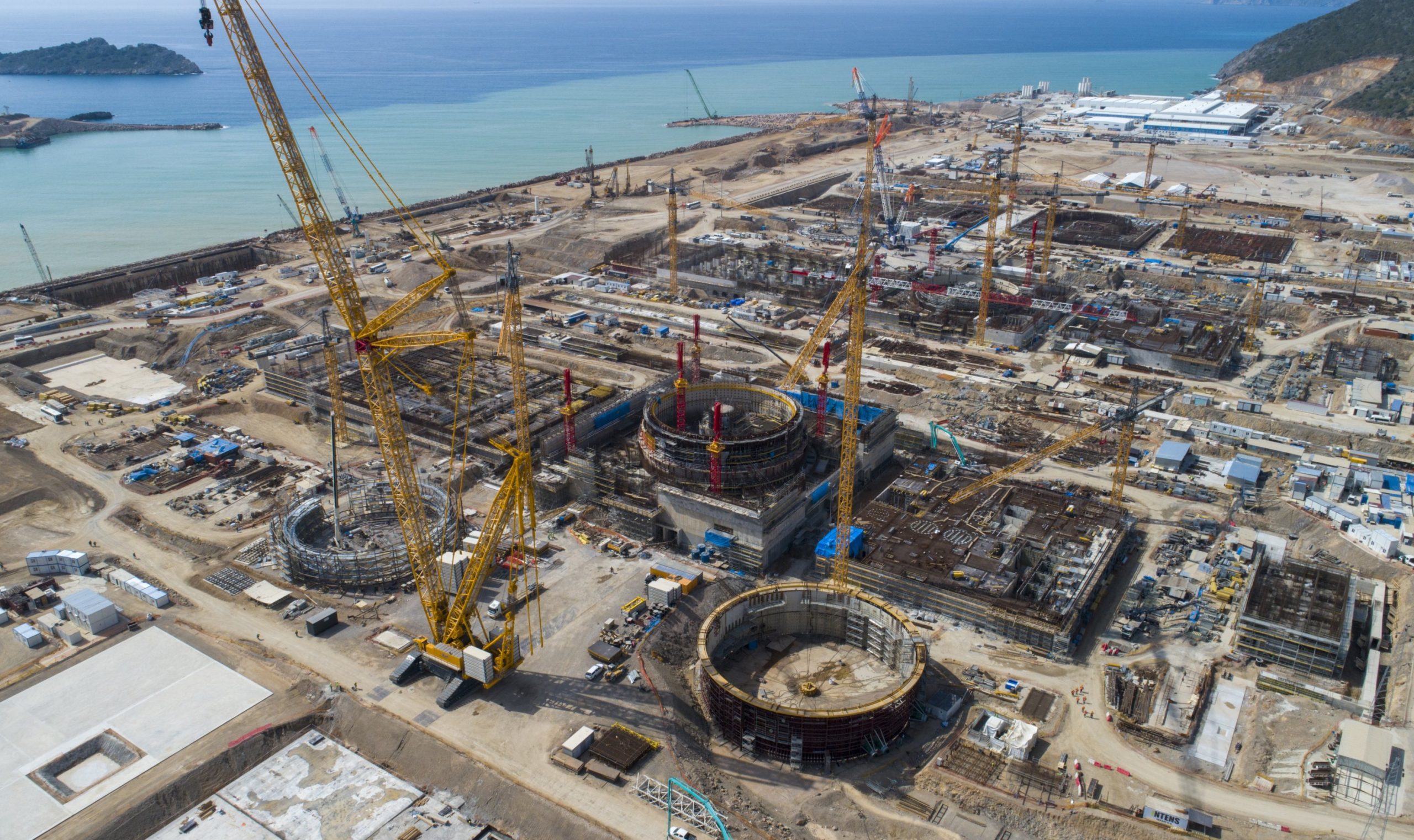 Akkuyu
The $2 billion fund earmarked for the construction of Turkey’s Akkuyu Nuclear Power Plant, previously frozen by U.S.-based JP Morgan, has now been released and is being transferred through alternative financial channels, according to Russian and Turkish sources. The funds, originally blocked due to sanctions compliance and SWIFT-related oversight, are now flowing again after Russia and the U.S. reached an exceptional arrangement for the strategic project.
Russian state nuclear agency Rosatom, which finances and manages the Akkuyu project, confirmed that payment blockages have been resolved, restoring the project to full operational capacity. The move follows the Kremlin’s decision to redefine Akkuyu as a “strategic priority project” and create a “special payment corridor” with Turkey that allows transactions outside the U.S.-controlled banking system.
Frozen Funds Now Flowing Through Alternative Channels
According to Kirill Komarov, Rosatom’s First Deputy Director General, the U.S.-blocked amount has been released and the funds are now reaching Turkey through alternative transfer mechanisms designed to bypass potential sanctions risks.
“The financial bottleneck has been cleared. Funds allocated for Akkuyu are now being transferred via alternative channels,” Komarov said.
The funds were originally frozen by JP Morgan during transactions involving Russian financial institutions, due to sanctions-monitoring procedures linked to Russia’s broader exclusion from the international SWIFT system.
Turkey Secures ‘Project-Specific Exemption’ from Washington
Sources told Yeni Şafak that the Turkish Ministry of Energy and Natural Resources engaged in direct talks with both Rosatom and the U.S. Treasury, emphasizing that Akkuyu is a critical component of Turkey’s national energy security. This framing reportedly helped open a path for limited exemptions from U.S. restrictions.
In response, Washington reportedly granted a project-specific allowance, recognizing Akkuyu’s role in Turkey’s civil nuclear infrastructure rather than as a geopolitical transaction.
Putin’s Direct Intervention Established a New Payment Path
Kremlin insiders said Russian President Vladimir Putin personally intervened, instructing the Finance Ministry and Rosatom to secure an alternative funding mechanism. This resulted in the creation of a dedicated “special corridor” for payments to Turkey — allowing transfers without routing through U.S.-supervised international systems.
Following Putin’s directive, the Akkuyu project’s strategic classification was redefined, enabling transactions through Russia’s alternative payment infrastructure.
As a result, funds are now being delivered directly from Russia to Turkey, effectively bypassing Western financial channels.
Trump–Putin Dialogue Reportedly Played a Role
Diplomatic sources noted that the personal rapport between former U.S. President Donald Trump and Russian President Vladimir Putin contributed to easing tensions around the financial blockade. Though details remain undisclosed, their communication reportedly helped facilitate the unfreezing process by reducing political resistance within Washington.
Strategic Energy Cooperation Resumes at Full Pace
With the financial logjam cleared, construction at Akkuyu Nuclear Power Plant — Turkey’s first — is expected to proceed at full capacity. The $20 billion megaproject, located in Mersin Province, will supply 10% of Turkey’s electricity once completed and represents one of the largest Russian-Turkish energy collaborations in history.
Analysts say the unblocking of funds underscores Moscow’s determination to maintain strategic energy ties with Ankara, even amid continued Western sanctions. For Turkey, it also signals a renewed commitment to diversifying its energy sources while balancing geopolitical pressures between Washington and Moscow.
Related articles
Russian Oil Imports to Turkey Decline as Trump Pressures Ankara to Cut Moscow’s Revenue
$7B Funding Delay Hits Russia-Led Akkuyu Nuclear Plant Project in Turkey
Rosatom: Second nuclear power plant for Turkey on the way