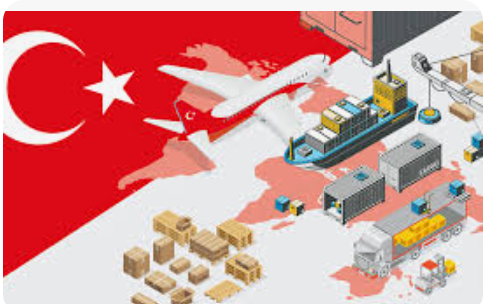
İTO Chief Warns: ‘Turkey Can’t Afford to Grow Its Trade Deficit’
 foreign trade
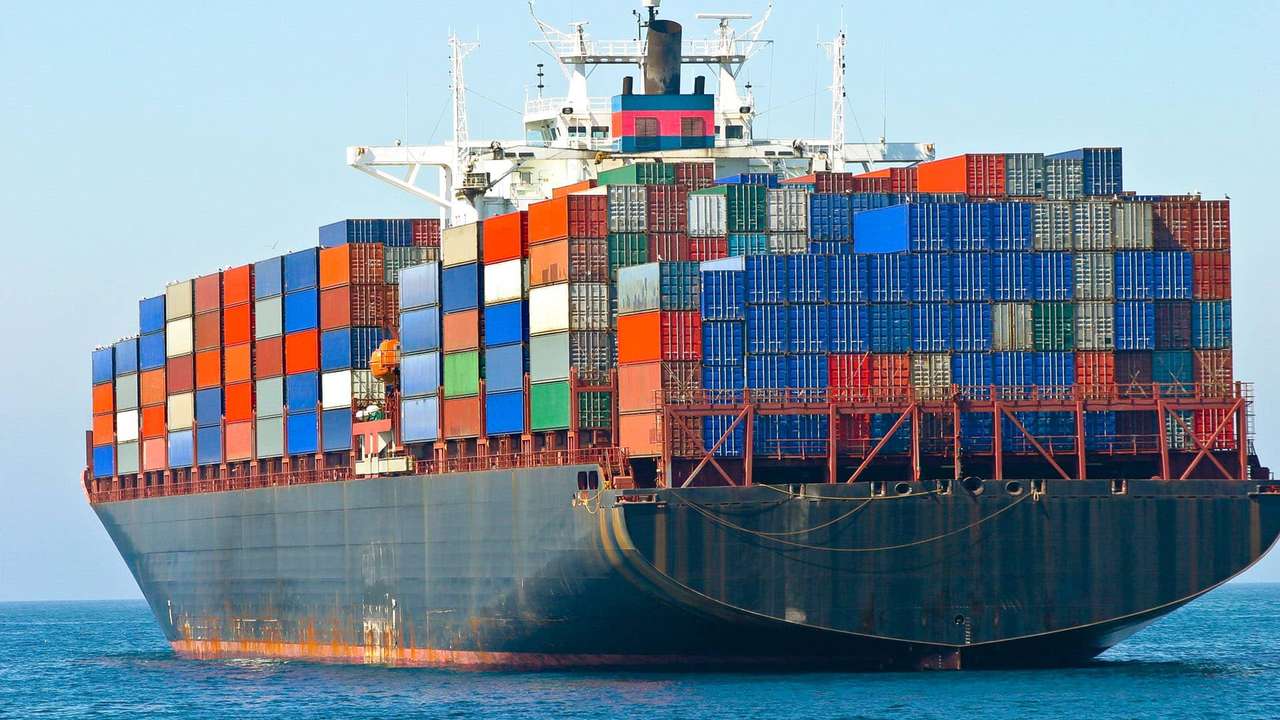
İstanbul Chamber of Commerce (İTO) President Şekib Avdagiç urged policymakers to take a balanced and realistic approach to foreign trade, stressing that Turkey can no longer afford to expand its trade deficit. “We must narrow the deficit — growing it is not an option,” Avdagiç told reporters, warning that simply tracking export and import numbers fails to capture the full picture.
Avdagiç said the merchandise trade gap is expected to remain around $85–90 billion this year, a figure that continues to weigh heavily on Turkey’s economy. “For 150 years, we’ve failed to close this gap — and almost every challenge we face stems from it,” he said. “When our exports rise 10% and imports increase 7%, both grow in absolute terms. That’s why we need a new mindset.”
‘Turkey Needs an Import Strategy Too’
While Turkey sets clear export targets, Avdagiç argued that import goals must also become part of national economic planning. “As we head into 2026, Turkey should define clear import objectives,” he said. “We must focus on which imported goods we can produce domestically to reduce external dependence.”
He pointed to the plastics industry as a prime example, where domestic raw material supply has fallen below 15% of total demand despite years of incentives. “We’ve been talking about plastic feedstock investments for years — but it hasn’t happened. This mindset must change.”
Credit Access More Crucial Than Cost
Turning to financial conditions, Avdagiç emphasized that for Istanbul’s business community, the priority is no longer interest rates but access to credit. “There’s full consensus that inflation must fall — without ‘buts’ or ‘howevers,’” he said. “But our expectations for credit access must also be met. Right now, obtaining loans is a bigger issue than their cost.”
He called for SMEs to be excluded from existing lending restrictions, noting that banks are hesitant to extend credit because regulatory frameworks leave little room for flexibility. “Banks say the current limits make it difficult to allocate sufficient funds to SMEs,” he explained.
Central Bank and Banks Must Bridge the Rate Gap
Avdagiç also drew attention to the gap between the Central Bank’s policy rate and commercial loan rates. “Banks are forced to keep 60% of their deposits in Turkish lira, leading them to aggressively compete for TL deposits,” he said. “As a result, deposit rates rise to 47–48%, and banks must then lend at even higher rates to cover costs. These rigid rules create a serious contraction in the credit system.”
‘Turkey Has Become Expensive in Dollar Terms’
Citing feedback from Turkish exporters at the Anuga Food Fair in Germany, Avdagiç said many firms are now importing raw goods, processing them in Turkey, and then re-exporting — a sign that Turkey’s production costs have risen sharply in foreign currency terms. “We’re adding value, yes, but Turkey has become expensive in dollars,” he warned.
He added that while gastronomy prices have climbed, Istanbul hotel rates remain significantly lower than Europe’s. “You can stay in a five-star hotel in Istanbul for the price of a three-star hotel in a small European town,” he noted.
THY’s Boeing Deal and Aviation Industry Capacity
Addressing Turkish Airlines’ (THY) recent aircraft order from Boeing, Avdagiç said the purchase was “part of a long-standing expansion plan.” “THY plans to expand its fleet to 813 aircraft by 2033. Boeing is already a key supplier. Fleet renewal is essential for efficiency, safety, and lower operating costs,” he explained, adding that the debate around the deal “has no legitimate basis.”
He also called for efforts to increase Turkish participation in Boeing and Airbus supply chains, noting that only a handful of domestic companies currently meet international certification standards. “Rather than blaming global manufacturers, we should focus on expanding our own capabilities and certification capacity,” he said.
U.S. LNG Deal Seen as Strategic Advantage
Commenting on the LNG import deal with the U.S., Avdagiç said the agreement will help Turkey diversify energy sources and strengthen its hand in trade diplomacy. “We’re not adding to our imports — we’re replacing them,” he said. “This gives Turkey leverage in balancing relations with the U.S., especially regarding trade tariffs. It’s a positive development that can open a new window of opportunity.”
Togg’s Strong Momentum in Germany
Avdagiç also praised Togg’s growing reputation in Europe, saying the Turkish-made EV has built a strong image in Germany. “Togg earned a five-star safety rating — that’s an objective benchmark,” he said. “It’s a solid, durable car, even surpassing the image Volvo once had. Everyone I spoke to said the same thing: however many Toggs arrive in Germany, they’ll all sell.”
Related articles

Turkey’s Consumer Confidence Rises Slightly in June to 85.1
ANALYSIS: Iran War Unlikely to Offset Domestic Demand Strength as External Imbalances Widen
Turkey’s foreign trade deficit surpassed 73 billion dollars in 7 months!