Lira at 45, Inflation Down: ING’s New Turkey Outlook
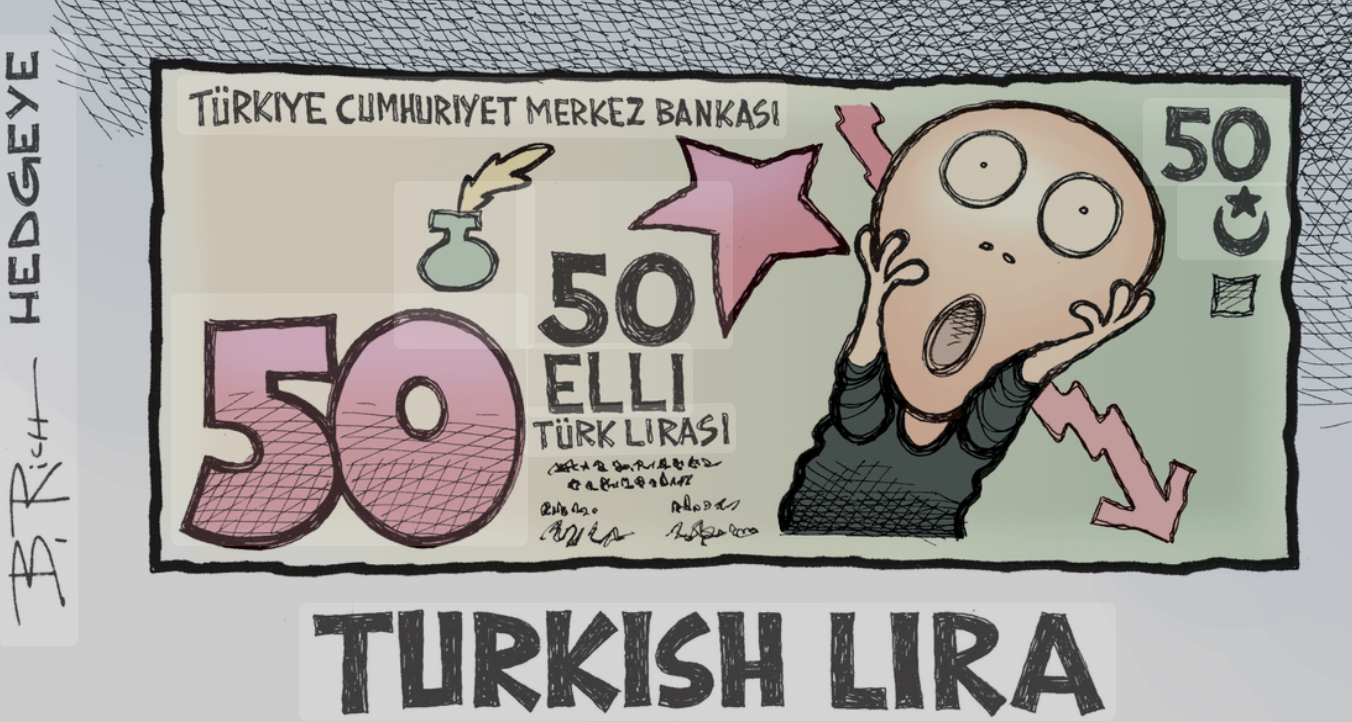 Turkish Lira
Global banking group ING has updated its macroeconomic outlook for Turkey, projecting steady growth and gradual disinflation over the next two years. The institution now expects GDP growth of 3.3% in 2025 and 4.0% in 2026, signaling confidence in a measured economic recovery despite persistent inflation pressures and tight financial conditions.
In its latest forecast, ING estimates the USD/TRY exchange rate at 45.00 by the end of 2025, with an average of 49.74 for 2026, reflecting expectations of controlled currency depreciation under a managed monetary policy environment.
Inflation Seen Falling to 30.5% by End-2025
The report anticipates that Turkey’s headline inflation will ease to 30.5% by the end of 2025, supported by the government’s disinflation-focused economic program. However, ING cautions that cost pressures and structural inflationary factors may keep prices elevated for longer than desired.
The benchmark interest rate is forecast at 37.50% by end-2025, before gradually declining to 27.0% by the end of 2026, suggesting a measured easing cycle as inflation moderates.
In parallel, the bank expects the 10-year government bond yield to stand at 28.94% by end-2025, signaling that long-term rates will remain high enough to attract foreign investors while still reflecting elevated risk premiums in Turkish assets.
Neutral Stance on Turkish Government Bonds
For now, ING maintains a neutral position on Turkish sovereign bonds, citing the need for clearer evidence of sustainable disinflation before turning optimistic. The report notes that while the central bank’s tight monetary policy continues to stabilize markets, structural risks tied to fiscal discipline and external financing persist.
However, ING also emphasized a potential upside scenario: if disinflation accelerates in the medium term, the outlook for fixed-income investments could improve substantially. Such a shift would not only support bond yields but could also boost investor confidence across broader financial markets.
A Gradual Path Toward Stability
Overall, ING’s updated projections point to a slow but steady normalization phase for the Turkish economy. The bank’s forecast implies that monetary discipline will remain the cornerstone of economic management in 2025, with a pivot toward growth-focused measures only after inflation shows firm signs of retreat.
Analysts interpret ING’s forecast as an endorsement of Turkey’s disinflation strategy—tempered by caution over structural vulnerabilities. While the lira’s weakness and high interest rates continue to challenge domestic demand, the gradual improvement in financial stability suggests that 2026 could mark the beginning of a more sustainable growth period.