Edirne Dorm Protest Erupts Over Water Crisis as Students Decry Living Conditions
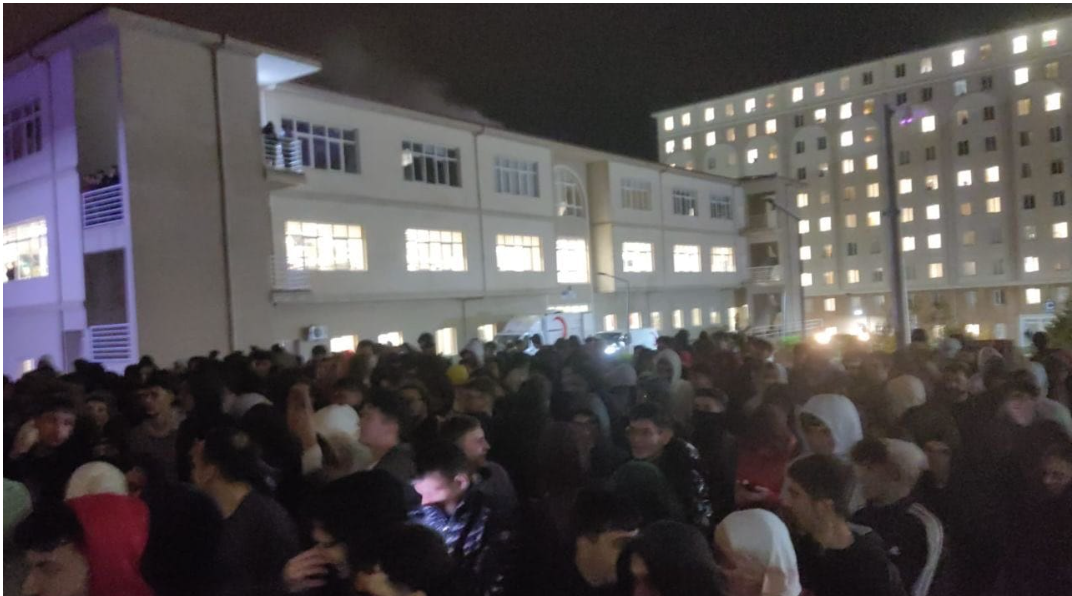 edirne kyk yurdu
Summary:
Thousands of students at the Sultan Çelebi Mehmet KYK Dormitory in Edirne staged a mass protest after days without running water, chanting “Water is our right” and “Resign, management.” Riot police were dispatched to the scene, while the incident reignited nationwide anger over deteriorating dormitory conditions, inadequate state housing, and growing allegations that the government is redirecting funds from public dorms to religious networks.
Students Rise Up Over Days-Long Water Outage
A severe water outage at the Sultan Çelebi Mehmet KYK Dormitory in Edirne has triggered a large-scale student protest, marking one of the most visible campus demonstrations of the year.
Students say the hot water supply had been limited for weeks, and on Tuesday, even cold water was completely cut off. By nightfall, thousands gathered in front of the dormitory’s administrative building, chanting “Water is our right, we will take it back” and “Resign, management.”
Videos shared on social media showed students holding banners and shouting slogans such as “We will resist and win,” accusing the dorm administration of neglect and the Youth and Sports Ministry of ignoring their complaints.
Riot Police Dispatched to Dormitory
As the protest grew, the dormitory administration called the police. Dozens of riot control officers and police vehicles were sent to the area.
Eyewitnesses said the demonstration remained peaceful, though police formed a barricade around the dorm compound. “All we want is running water and humane living conditions,” one student told reporters at the scene.
The hashtag #EdirnedeSuYok (“No Water in Edirne”) quickly went viral on Turkish social media, with solidarity messages pouring in from universities across the country.
Student Groups: “We Demand Decent Living Conditions”
A joint statement by campus activist groups, including the Socialist Thought Collectives, said the protest was about more than just water:
“The Edirne Sultan Çelebi Mehmet Dorm has risen up against days of water cuts. For weeks, hot water was available only for limited hours, and today even cold water ran dry. We, as the youth of this country, demand humane living conditions. When even basic needs like water, heating, and food become a crisis, it shows the results of a rent-seeking and careless system that disregards students’ right to live and study.”
The statement ended with a call for free, equal, and dignified living conditions for all students.
A Broader Crisis in State Dormitories
The Edirne water crisis has reignited public debate over chronic problems in KYK (Credit and Dormitories Institution) facilities across Turkey.
From Istanbul to Diyarbakır, students have long complained about poor hygiene, broken heating systems, low-quality food, and overcrowded rooms.
In many cities, state dormitories fail to meet basic infrastructure standards, forcing students to live under conditions they describe as “unfit for human dignity.”
Affordable Housing Shortage and Allegations of Ideological Favoritism
Student rights groups and opposition lawmakers say the crisis reflects deeper structural neglect — and deliberate budget cuts to public dormitories.
According to these groups, the government has reduced KYK’s investment and maintenance budgets while diverting resources to religious foundations and tariqat-linked housing associations that operate private dorms.
Critics argue that Ankara is effectively outsourcing student housing to conservative networks aligned with the ruling AKP, while reducing state responsibility for affordable, secular education infrastructure.
A recent report by the Student Rights Association claimed that several large land plots originally allocated for state dorms were transferred to religious foundations “under the pretext of partnership.” The report accused the government of “creating an ideological ecosystem of dependency” that pressures low-income students to reside in dorms run by religious groups.
Rising Costs and Declining Standards
At the same time, Turkey’s housing affordability crisis has deepened.
Private rent prices in university cities like Ankara, Izmir, and Istanbul have tripled since 2023, leaving public dorms overcrowded and underfunded.
Experts say this combination of high rents and decaying dorm infrastructure is pushing thousands of students into informal housing networks or religious group dorms, which critics say operate with little oversight.
Sociologist Dr. Nuran Demirtaş says the situation has turned housing into a “political weapon”:
“Student accommodation should be a public service, not a tool of ideological influence. When the state withdraws, it leaves young people dependent on private and religious structures that shape both their living conditions and worldviews.”
“Water Crisis Symbolizes a Deeper Social Breakdown”
Observers see the Edirne protest as a symbol of growing frustration among Turkey’s youth, who face economic hardship, unemployment, and housing insecurity.
Political analyst Dr. Özgür Koç told local media:
“This is not only about water — it’s about dignity. The students’ message is that they refuse to live under substandard conditions while billions are spent elsewhere. Their anger reflects a broader sense of injustice in Turkish society.”
No Official Response Yet from Authorities
As of Wednesday morning, neither the Youth and Sports Ministry nor the KYK Directorate General had issued an official statement.
Opposition MPs called for an urgent investigation into the incident and demanded accountability from the ministry.
“Instead of sending police, they should send technicians,” tweeted one CHP lawmaker, adding that “students are paying for political mismanagement.”
“Housing Is a Right, Not a Privilege”
Students who joined the protest emphasized that they would continue to voice their demands until basic services are restored.
Chants of “Housing is a right, not a privilege” echoed across the dorm courtyard late into the night.
Many students also drew parallels between their struggle and Turkey’s broader economic inequality, calling for free, secular, and equitable access to education and housing.