Turkey’s Prisons Overcrowded as Two Facilities Break Capacity Records
 cezaevi
Summary:
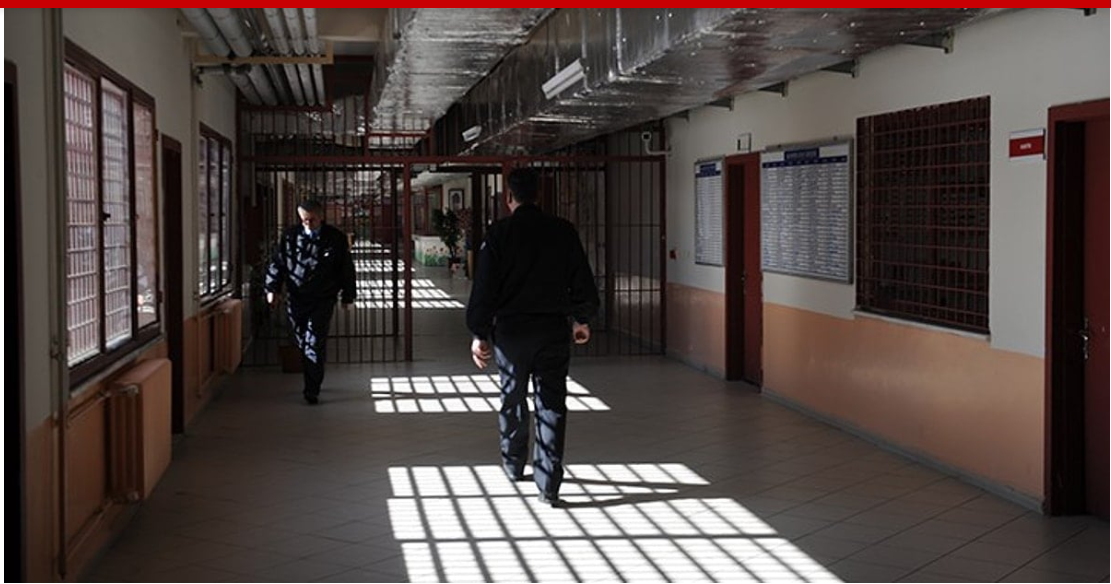
Turkey’s prison system is facing unprecedented overcrowding, with inmate numbers exceeding official capacity by more than one-third nationwide. According to the Turkish Human Rights and Equality Institution (TİHEK), two facilities — Kayseri Closed Prison and Kalecik Open Prison — are now holding nearly three times their intended population, marking the highest overcrowding levels ever recorded in the country.
Inmate Numbers Far Exceed Capacity Nationwide
A new report by the Turkish Human Rights and Equality Institution (TİHEK) has revealed alarming levels of overcrowding across Turkey’s prisons.
As of August 2025, Justice Ministry data show that Turkey’s correctional facilities have a total capacity of 304,964 inmates. However, the current prison population has reached 413,780 — meaning over 108,000 people are being held beyond capacity.
This makes Turkey the European country with the largest prison population, ahead of Russia and the UK in absolute numbers.
Kayseri and Kalecik Prisons at Triple Capacity
TİHEK’s latest inspection reports highlight Kayseri Closed Prison and Kalecik Open Prison as the most overcrowded facilities.
-
Kayseri Closed Prison: capacity 1,318 — currently 3,162 inmates
-
Kalecik Open Prison: capacity 1,400 — currently 3,155 inmates
These figures show that both prisons are operating at nearly 240% above capacity, leaving detainees in severely cramped conditions.
TİHEK also identified overcrowding in several other facilities:
-
Malatya Akçadağ Type-T Prison: capacity 384, current 750
-
Konya Ereğli Type-Y No.1 Prison: capacity 455, current 659
-
Elazığ Type-R Prison: capacity 1,140, current 1,535
-
Bandırma Type-T No.2 Prison: capacity 287, current 382
Human Rights Concerns Mount
Human rights advocates warn that extreme overcrowding is deteriorating living conditions, undermining healthcare and rehabilitation services, and heightening mental health risks among detainees.
Reports describe inmates sharing beds in shifts, limited access to fresh air, and insufficient medical personnel to meet the growing demand.
The TİHEK report also noted that infrastructure, hygiene standards, and food distribution in several prisons have fallen below international norms due to excessive population density.
Calls for Reform and Early Release Measures
Legal experts and civil society groups are urging the Justice Ministry to introduce emergency reforms, including the expansion of open-prison programs, parole initiatives, and alternative sentencing for non-violent offenders.
They also point out that rising incarceration rates are linked to broad definitions of “terrorism-related crimes” and increased pre-trial detentions — both of which have swelled inmate numbers since 2016.
Despite new prison construction, the gap between capacity and population continues to widen, signaling what rights groups describe as a “systemic crisis” in Turkey’s penal system.
A Worsening Trend
The Justice Ministry has built over 40 new facilities in the past five years, but experts say this expansion has not kept pace with the surge in convictions and detentions.
With the total inmate population now approaching half a million, Turkey’s prisons are under pressure not seen since the early 1980s military era.
Observers warn that without structural reform and a shift toward rehabilitative justice, the system risks collapse — both administratively and morally.
Related articles

The Autocrat’s Hunting Season: How Erdogan’s “Manhunt” Policy is Gutting Turkish Society

New Judicial Reform Package Sparks Global Outcry Over Harsh Anti-LGBTQ+ Provisions

Turkey’s New Draft Law Seeks to Criminalize LGBTQ+ Identity: