Turkey Freezes Iran-Linked Assets as Halkbank Braces for U.S. Supreme Court Ruling
 iran-yaptirim
Summary:
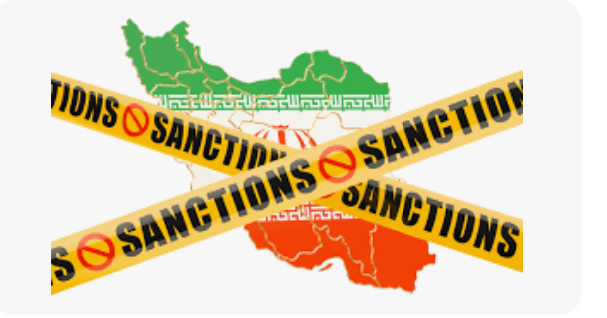
Turkey has frozen the assets of dozens of Iranian entities and individuals tied to Tehran’s nuclear and missile programs, a move that coincides with heightened U.S. sanctions and growing anticipation over whether the U.S. Supreme Court will review Halkbank’s final appeal in its long-running Iran sanctions case. Analysts describe Ankara’s decision as largely procedural but note the timing could influence diplomatic optics as Turkey navigates sensitive financial and geopolitical terrain.
Asset Freeze Targets Iran’s Nuclear Network
A presidential decree published Wednesday in the Official Gazette froze the assets of several Iranian-linked organizations and officials accused of aiding the country’s nuclear and ballistic missile programs.
Presidential Decree No. 10438 mirrors United Nations Security Council sanctions, applying restrictions to state institutions such as:
-
The Atomic Energy Organization of Iran,
-
Bank Sepah and its London subsidiary Bank Sepah International,
-
The Isfahan Nuclear Fuel Research and Production Center, and
-
The Karaj Nuclear Research Center.
The list also names senior Iranian figures including Dawood Agha-Jani and Javad Rahiqi, both connected to uranium enrichment.
The decree updates earlier Turkish regulations enacted in 2006, 2015, and 2021, ensuring compliance with UN resolutions rather than signaling a unilateral Turkish move.
Ragıp Soylu, Turkey bureau chief for Middle East Eye, wrote on X (formerly Twitter) that Ankara “simply followed the snapback UN sanctions,” adding that the measure does not represent an independent political stance toward Tehran.
Washington Announces Parallel Sanctions
Coinciding with Ankara’s move, the U.S. Treasury Department imposed sanctions on 21 companies and 17 individuals accused of supporting Iran’s ballistic missile and military aircraft programs.
The U.S. sanctions target networks spanning Iran, China, Hong Kong, and Germany, which Washington says facilitate Iran’s procurement of critical technology.
The Treasury stated that the designations address “regional threats to U.S. personnel and international shipping.” Iran has steadily expanded its missile range and accuracy in recent years, drawing sharp criticism from the U.S. and its European allies, who view these developments as destabilizing for the Middle East.
Halkbank’s Legal Battle Enters Crucial Phase
The sanctions announcements come just as Turkey’s state-owned Halkbank awaits the U.S. Supreme Court’s decision on whether it will hear the bank’s final appeal in a case involving alleged violations of Iran-related sanctions between 2012 and 2016.
Bloomberg Intelligence reported that if settlement talks fail, Halkbank could face penalties ranging between $1 billion and $2 billion — roughly 1.5 to 3 times its 2024 adjusted net profit of $672 million.
U.S. prosecutors allege the bank facilitated more than $1 billion in illicit transactions that circumvented sanctions, violating federal law that allows fines up to twice the transaction value.
In late 2024, a federal appeals court rejected Halkbank’s sovereign immunity claim, prompting the lender to petition the Supreme Court. While legal experts say the court may choose to review the case, they describe the bank’s chances of immunity as slim.
Potential Economic Fallout
Halkbank has not set aside provisions for potential penalties in its latest financial filings. Analysts warn that a large fine could strain the bank’s capital adequacy ratios, forcing the government to inject liquidity or capital support — a scenario that has occurred in previous years when Ankara propped up state lenders.
If the Supreme Court declines to hear the appeal, the case will return to lower courts for trial, potentially leading to heavier financial penalties or even restrictions on Halkbank’s access to the U.S. financial system.
Such regulatory measures, however, would depend on future U.S. Treasury actions.
Turkish officials insist that the state would not directly pay any fine, but financial analysts note that Ankara could still provide indirect support to safeguard domestic financial stability.
Trump Factor and Diplomatic Overlap
Commentary from Bloomberg suggests that Donald Trump’s return to the presidency may alter the tone of future negotiations.
During his first term, Trump reportedly pressed the U.S. Justice Department to handle the Halkbank case with leniency — part of a broader strategy to maintain transactional ties with Ankara.
Still, most legal observers believe that some form of penalty remains unavoidable, though the Turkish government may seek settlement-based concessions or extended repayment options to mitigate market impact.
The simultaneity of the Iran asset freeze and Halkbank’s legal uncertainty underscores Turkey’s delicate balancing act between compliance with Western sanctions frameworks and its broader geopolitical ambitions, including trade with Iran and normalization with the West.
IMPORTANT DISCLOSURE:
PA Turkey intends to inform Turkey watchers with diverse views and opinions. Articles on our website may not necessarily represent the view of our editorial board or count as endorsement.
Follow our English-language YouTube videos @ REAL TURKEY:
https://www.youtube.com/channel/UCKpFJB4GFiNkhmpVZQ_d9Rg
Twitter: @AtillaEng
Facebook: Real Turkey Channel